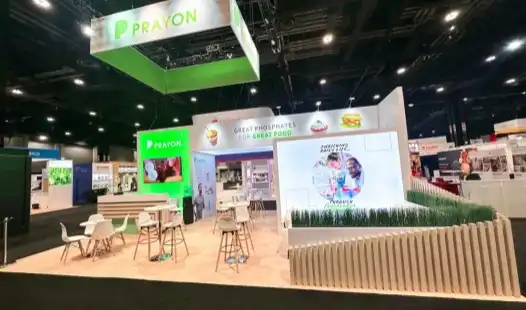
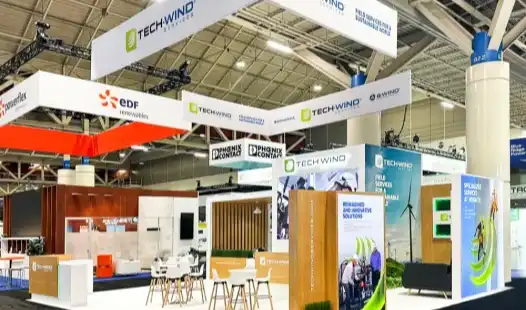
Expert Tips for Designing a Reconfigurable Trade Show Floor
To have a successful trade show presence, you need to think about more than just setting up a booth. A custom reconfigurable trade show display changes how exhibitors do marketing efforts at more than one location by giving them more freedom and flexibility. These creative solutions combine professional looks with modular architecture, making it easy to switch between different booth layouts while keeping brand message uniform. Reconfigurable systems, on the other hand, can be moved around to fit different floor plans and space requirements. They also offer a high return on investment because they can be used over and over again in a variety of show settings.
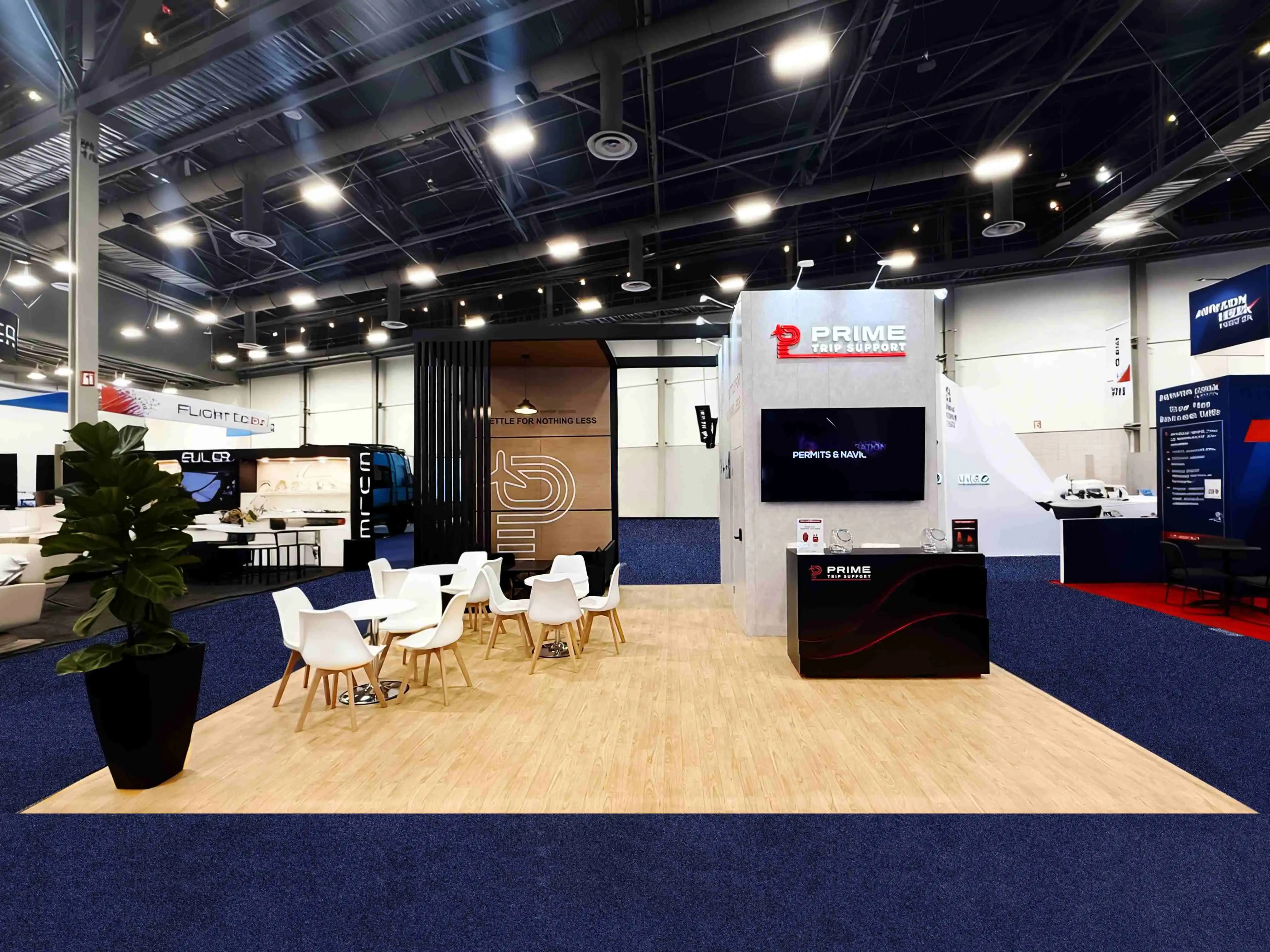
Understanding Reconfigurable Trade Show Displays
The Evolution from Fixed to Flexible Exhibition Solutions
Reconfigurable trade show displays are a big change from the old style of fixed setups to smart, modular systems that are designed to be as flexible as possible. These high-tech show solutions use light aluminum extrusions, magnetic connectors, and replaceable graphic panels to make displays that can be changed to fit different booth sizes and marketing goals while still maintaining the brand's overall look.
In terms of how they are built, changeable screens are fundamentally different from traditional booth systems. Custom builds that aren't reconfigurable use standard parts that can be put back together in different ways, while custom builds that are reconfigurable need to be completely rebuilt for each place. This modularity solves important problems in the industry, like rising drayage costs, unstable ROI pressures, and the inefficiency of handling many different assets across show circuits.
Key Benefits of Modular Display Systems
In today's competitive show world, modern displays that can be reconfigured solve a number of practical problems that buying teams have. The systems offer a balance between portability and custom-designed elegance, providing long-lasting assets with a lower Total Cost of Ownership for exhibits going to rounds in multiple cities.
Weight optimization is a big plus because custom builds made of wood or laminate are much heavier than those made of metal frames and fabric prints. This means that CWT (hundredweight) drayage bills and shipping costs will go down instantly. These systems also pack neatly into fewer crates, which cuts down on shipping costs even more.
Companies that show abroad find the flexibility feature very useful. Custom reconfigurable trade show display can switch between imperial and metric venue standards without any structure changes. This adaptability lets complicated rigging needs and electrical power connections work smoothly in a wide range of global markets.
Step-by-Step Guide to Designing a Reconfigurable Trade Show Floor
Addressing Traditional Display Limitations
Traditional booth designs often have trouble with not being flexible enough and not letting visitors flow through the space in the best way. To do smart reconfigurable floor planning, you need to be aware of these limits and use design principles to make places that can be changed while still staying true to your brand's message and encouraging natural points of contact. This is where investing in a well-designed custom reconfigurable trade show display becomes a strategic advantage, transforming these static limitations into dynamic opportunities.
Traffic flow efficiency is the key to making flexible design work. By putting modular parts in the right places, you can make clear paths that lead people through planned brand experiences. Instead of fixed displays that force vendors to follow set traffic patterns, changeable systems let changes be made in real time based on how the show is going and how visitors are acting.
Critical Design Principles for Maximum Impact
Reconfigurable trade show floors that work well have a few key design features that make them more engaging. Visual order is very important, and modular parts should be set up in a way that makes focal points that stand out while keeping the brand's unity across all setups.
Here are the basic design rules that make changeable setups work well:
• Scalable branding design makes sure that the display looks the same whether it's in a 10x10 inline spot or a 20x20 island layout. This way, brand recognition is kept across all venue sizes.
• The flexible storage integration can adapt to different product display needs while keeping important materials safe and easy to reach during different show stages.
• Modular privacy walls and furniture setups can be used to turn meeting rooms from open display areas to private consultation zones.
• Technology connection points allow for different AV needs in different booth layouts without having to rewire everything from scratch for each set-up.
These ideas work together to make show areas that work well no matter what the venue's limitations or configuration needs are.
Incorporating Proven Case Study Insights
Well-planned adaptable systems work well in many different businesses, as shown by real-world examples. When tech companies go to big trade shows like CES, custom reconfigurable trade show displays that show off their goods in flagship designs help them do well. These displays can also be changed to fit smaller trade shows in other areas. Working at CES with companies like Seastar Corporation, AISPEX, and Rexing shows how well flexible systems can support showing off a wide range of tech products.
Manufacturing companies that go to IMTS events need displays that can show off big machinery and also serve as professional meeting rooms. As shown by the successful solutions for companies like Etxetar and GURUTZPE, modular systems can handle large loads while still looking good in a variety of booth sizes.
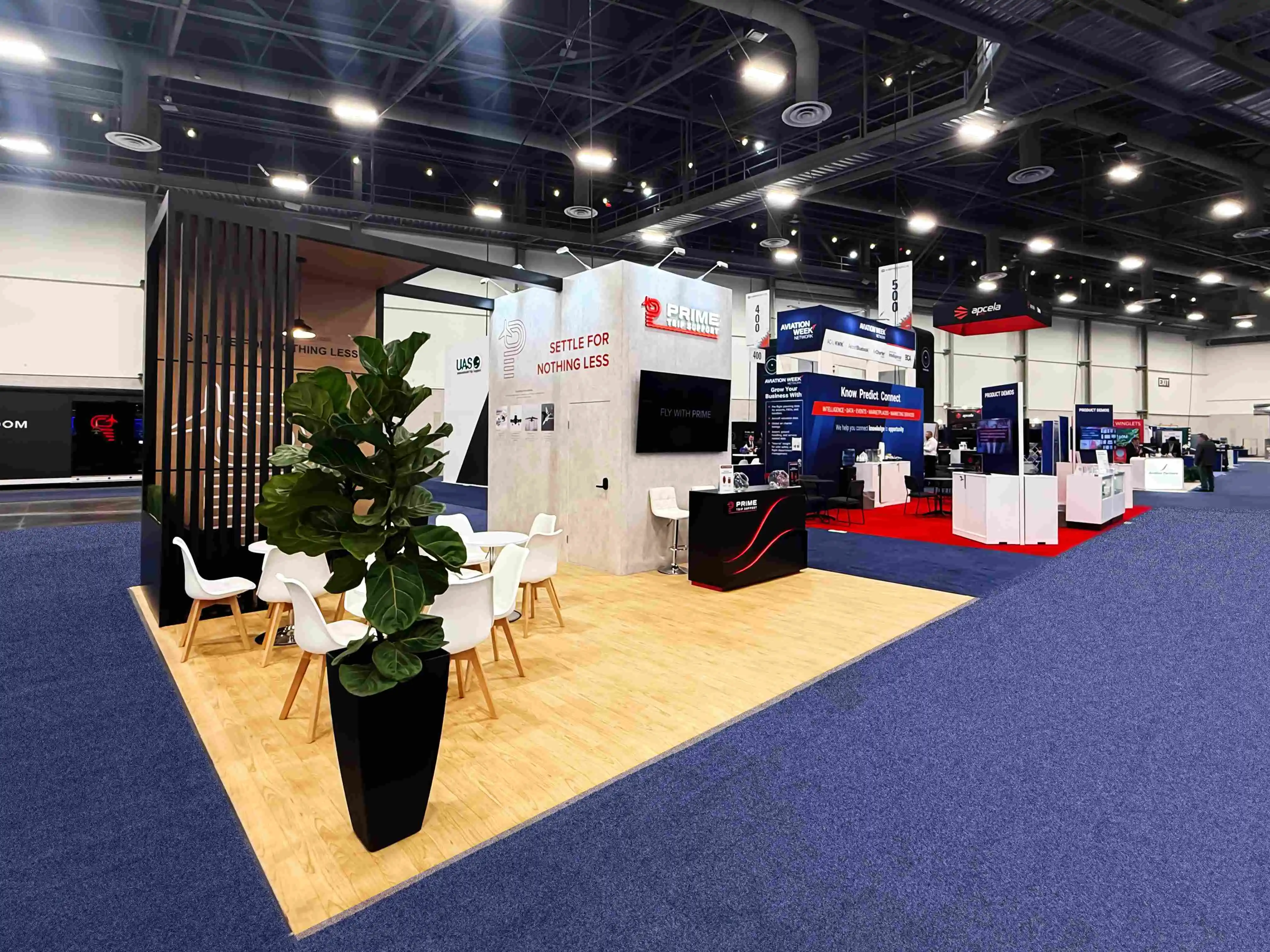
Comparison and Selection Criteria for Custom Reconfigurable Trade Show Displays
Evaluating Durability and Construction Quality
To choose the best custom reconfigurable trade show display systems, you need to look at a lot of factors, such as the materials used, how well they hold up, and how well they work over time. Professional-grade customizable systems are built around high-quality anodized aluminum extrusions that usually last between 5 and 10 years with the right care and storing.
Adding Silicone Edge Graphics (SEG) is an important technology factor to think about. These high-resolution dye-sublimation cloth prints tension-fit into frame channels, making visual walls that are smooth and don't reflect light. They look professional even after many uses. Chemical qualities must meet NFPA 701 fire retardancy standards to make sure they are in line with safety rules for meeting centers.
Material and Technology Integration Factors
Professional reconfigurable screens stand out by having a wider range of materials and more advanced connection choices. Installation and disassembly work is 30–50% less difficult with tool-less locking devices like cam locks and precision-engineered connections than with traditional carpentry builds.
Graphics compatibility is another important factor to consider when making a choice. With smart planning, well-designed adaptable systems can reuse graphics in a variety of combinations. A 20-foot graphic wall that can be split into two 10-foot parts works just as well as one 20-foot section. On the other hand, continuous pictures need specific frame sizes to look good.
Supplier Reliability and Support Infrastructure
Buying with trust rests a lot on how reliable the supplier is, how certified the manufacturing process is, and how well the customer is helped after the sale. USA-based providers have benefits like faster delivery times, easier warranty processes, and direct contact lines that make it easier to complete projects.
Quality standards should include ISO manufacturing standards, a history of working with major show venues, and proof that the company can handle the complicated shipping needs of foreign customers. Suppliers must show that they know how to handle customs paperwork and venue-specific rules for compliance in a wide range of global markets.
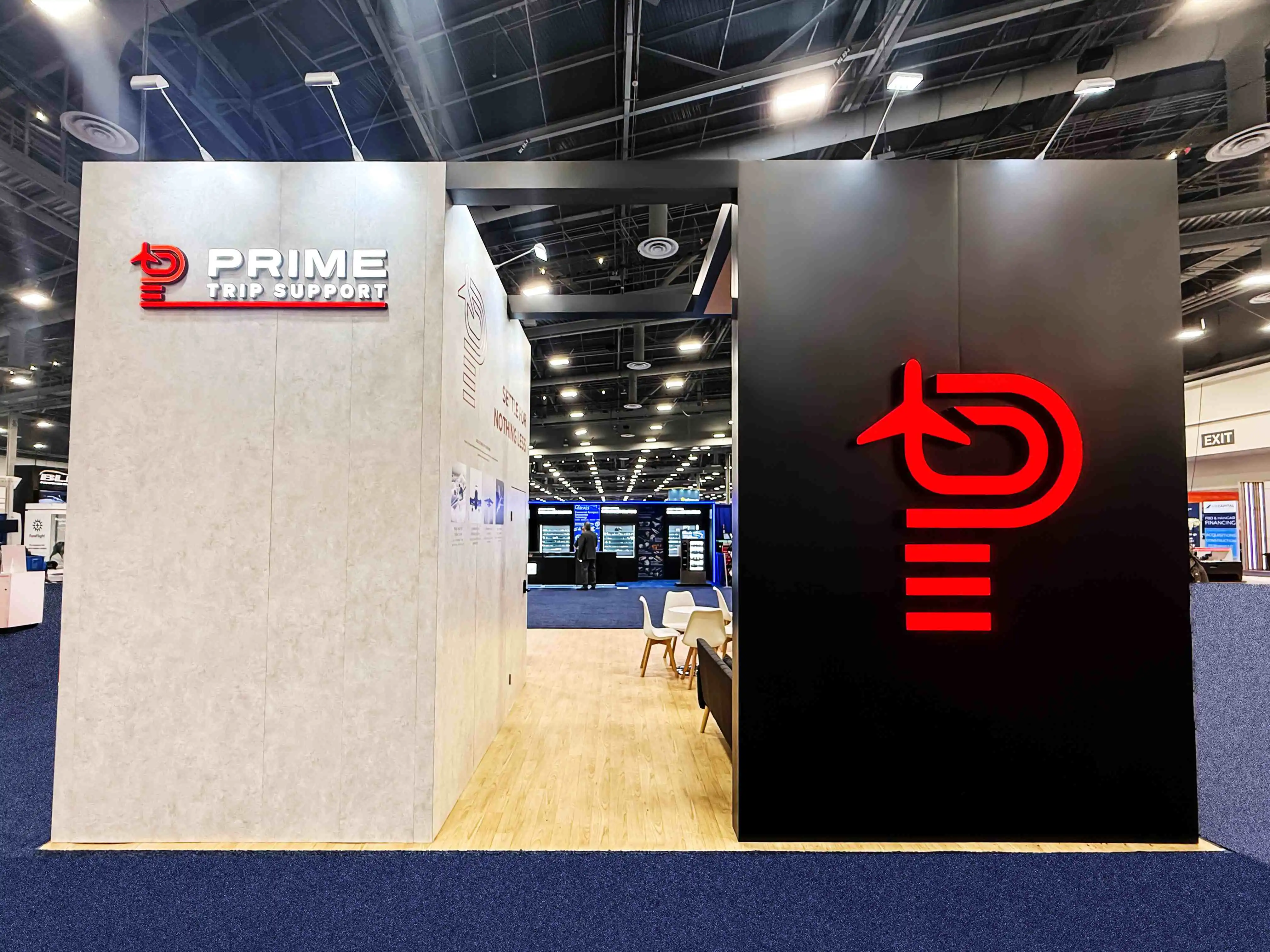
Procurement Guide: How to Buy and Manage Custom Reconfigurable Trade Show Displays?
Understanding Pricing Determinants and Cost Optimization
The price of a reconfigurable display depends on a number of important factors, such as the complexity of the design, the needs for image production, and the system's ability to grow. When buying teams know about these factors, they can make the best purchases and get displays that will meet the needs of long-term exhibitions.
The price is greatly affected by how complicated the design is, and the ability to change configurations needs more engineering and component integration. But this initial investment usually pays for itself in three to four show rounds, whereas buying multiple dedicated displays for each place would take a lot longer.
The properties of a material have a direct effect on both its original cost and its long-term longevity. Higher prices are charged for premium aluminum extrusions, but they last longer and need less upkeep. Teams in charge of buying things have to weigh the initial investment against the Total Cost of Ownership, which includes the costs of shipping, storing, and replacing parts over the system's useful life.
Production Timeline Management and Delivery Coordination
To successfully buy custom reconfigurable trade show displays, you need to carefully handle your time so that production plans and show deadlines are in sync. Standard production times run from three to six weeks, but this depends on how complicated the order is and how much customization is needed. For pressing needs, rush orders can be placed at an extra cost.
When sending internationally, things get more complicated because you need to plan ahead for customs clearance and arrival times at the destination. Suppliers with a lot of experience offer full logistics support, including customs paperwork, site planning, and backup plans in case of shipping delays or problems with customs.
Rental Versus Purchase Decision Framework
Whether to rent or buy custom reconfigurable trade show displays relies on how often you want to show, how much money you have, and your long-term marketing goals. Companies that go to three or more trade shows a year can save money by making purchases, especially when displays can be reconfigured to fit the needs of more than one location.
Rental choices give companies or individuals who want to try out new markets without committing a lot of money the freedom to be flexible. However, rental costs add up quickly, and you can't change things as much as you can with owned systems that work well with bigger marketing plans.
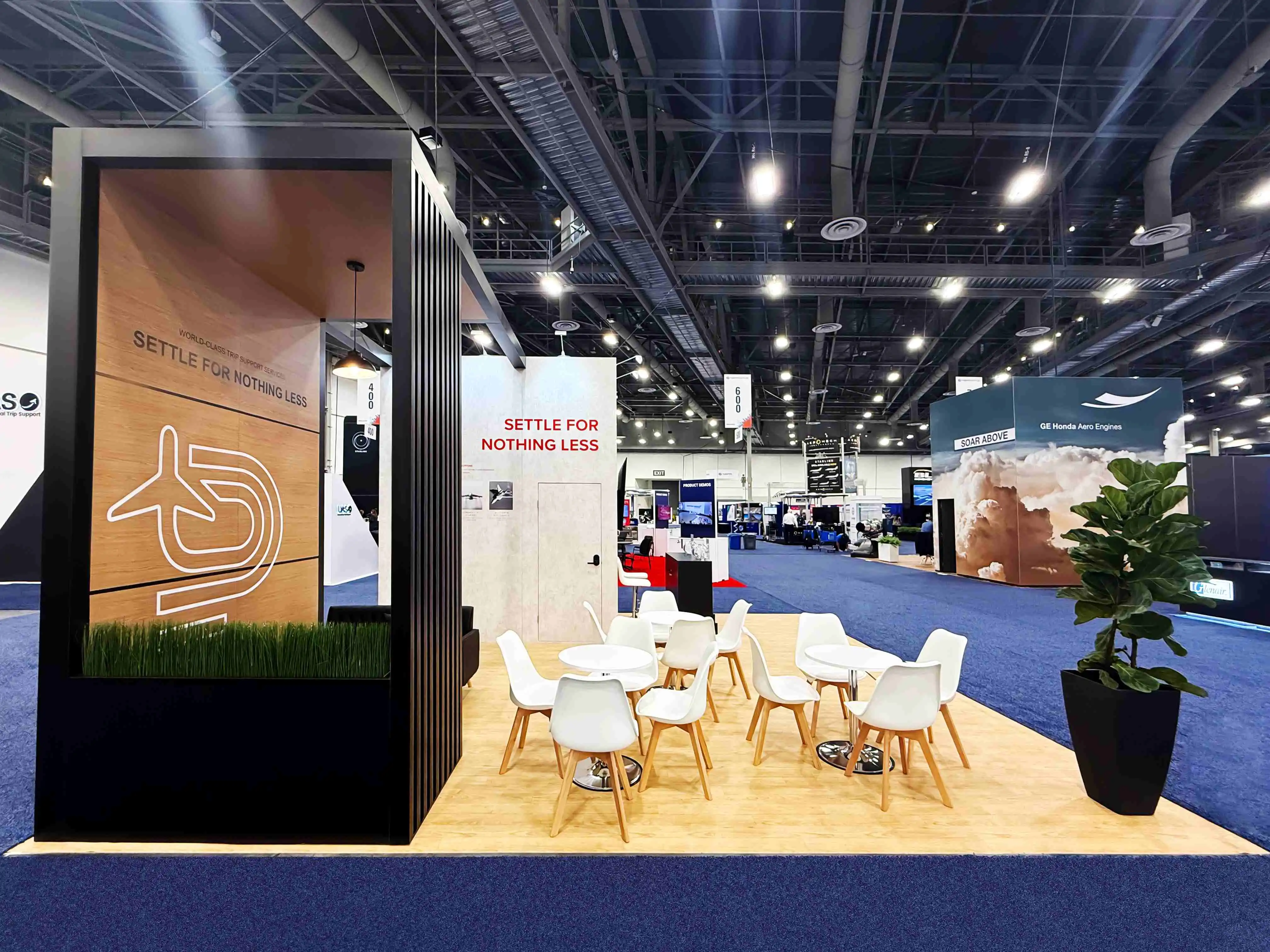
Optimizing the Trade Show Floor Experience with Reconfigurable Displays
Enhancing Visitor Engagement Through Dynamic Layouts
Dynamic floor plans that change based on real-time show conditions make it possible for advanced visitor involvement strategies to work with reconfigurable displays. Unlike static installations, these systems allow for changes in the middle of the show that improve traffic flow and contact chances based on how people actually behave.
When modular parts are used strategically, they can be put together to make brand experiences that are engaging and lead guests on planned journeys. Interactive parts work well with frames that can be rearranged, making it possible for technology demos, product sample areas, and consultation areas that change depending on the engagement goals.
Installation Efficiency and Maintenance Protocols
Professional reconfigurable systems make installation a lot easier by using smart engineering and building procedures that don't require tools. These improvements directly lead to lower labor costs and faster setup times, which are very important for businesses that have to stick to tight show plans and budgets.
Maintenance needs are kept to a minimum thanks to the strong metal construction and design of parts that can be replaced. Graphic panels can be updated without changing the structure, so changes can be made without spending a lot of money and keeping the look modern for longer periods of time.
Performance Measurement and ROI Analysis
To figure out how successful reconfigurable displays really are, you need to measure their full performance using relevant KPIs like booth traffic, lead generation metrics, and contact quality assessments. Modern tools for collecting data work with systems for showing data to give you real-time analytics that help you make choices about how to improve things right away and plan for the future.
When figuring out ROI, you have to look at both direct cost savings and better marketing results that come from being able to reconfigure things. Companies say that the cost savings are 25–40% compared to standard custom builds, and they get more leads because visitors have better experiences and the presentation looks more professional.
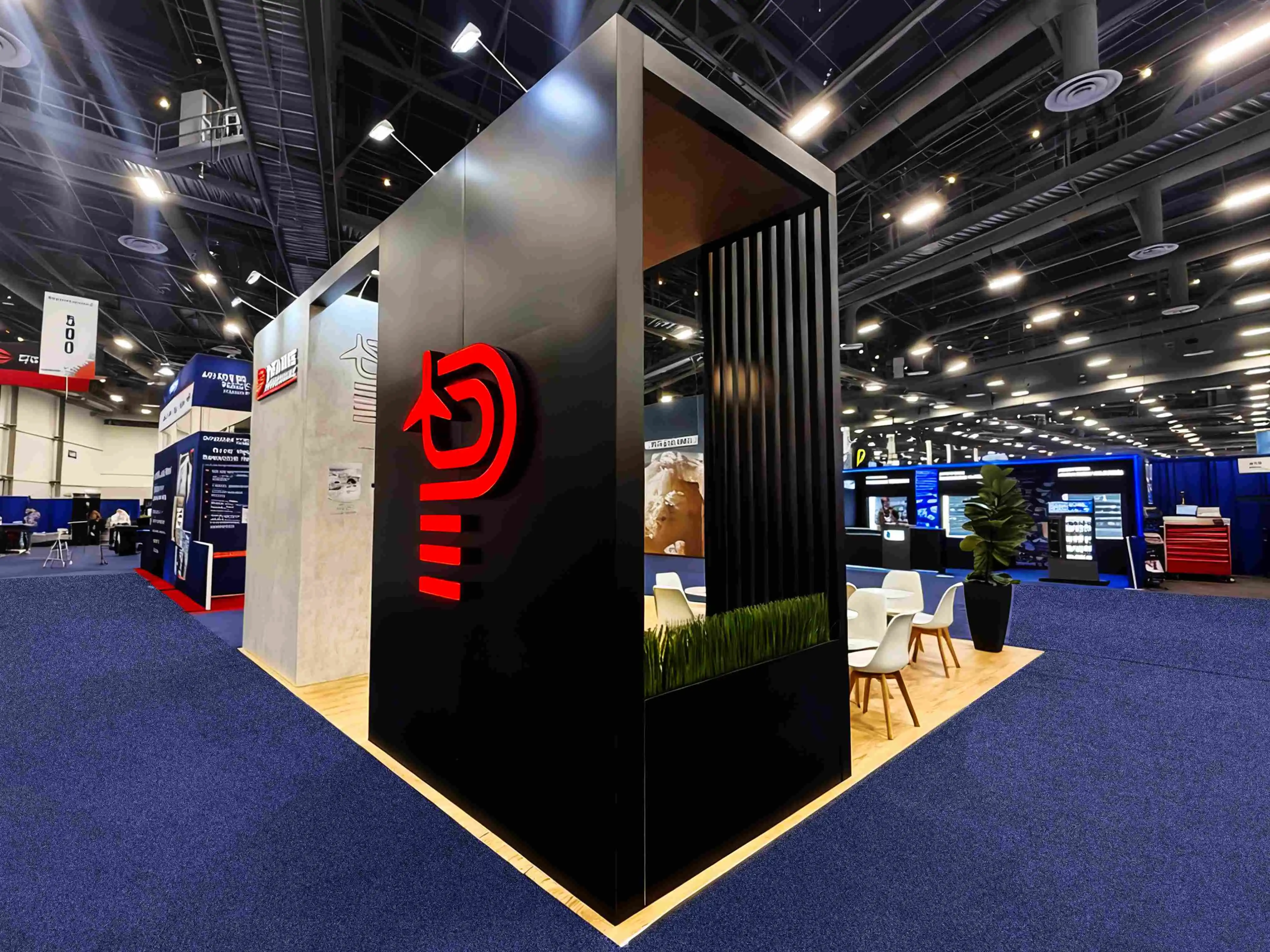
Conclusion
Reconfigurable trade show displays are the future of strategic expo marketing because they give companies that want to get the most out of their trade show assets more freedom and lower costs. These new systems solve important problems in the industry while also adding a professional look that makes brands stand out in a variety of show settings. When you mix modular architecture, high-quality materials, and smart design principles, you get show solutions that can easily change to meet changing business needs and place limitations. For businesses seeking a tailored approach, investing in a custom reconfigurable trade show display is a strategic decision. Smart buying choices that take long-term organizational benefits and seller dependability into account lead to the successful adoption of reconfigurable systems that give businesses long-term competitive advantages in today's fast-paced exhibition market.
FAQ
What makes custom reconfigurable trade show displays different from standard modular systems?
Custom reconfigurable displays combine unique design elements with flexible functions, allowing customizations that are specific to a brand while still being able to be set up in multiple ways. Standard modular systems don't give you many choices for how they look. personalized versions, on the other hand, have personalized graphics, lights, and structural elements that show the brand identity across all configurations.
How do reconfigurable displays perform in international shipping scenarios?
Due to their light weight and ability to pack efficiently, these screens work great in foreign settings. When compared to standard wood-based constructions, aluminum frames and fabric graphics make shipping weights and customs values much lower. The systems can also adapt to metric site standards without needing to be structurally changed. This makes the logistics of foreign exhibitions easier.
What load capacities can reconfigurable display systems support?
Professional-grade movable displays can handle heavy loads; for example, high-quality metal extrusions can handle 500 pounds or more per square foot for product demos and heavy equipment displays. The modular design effectively spreads weight while keeping structural integrity across different setups. This makes them suitable for industrial shows that need strong support.
How long does the transition between different booth configurations take?
Depending on how complicated and big the changes are, they usually take two to four hours. The method for putting together parts without tools and the way they are arranged ahead of time make it easy to switch between displays during long exhibition periods or between show days. Because they are so efficient, changeable systems are useful for businesses that go to shows back-to-back and need different booths.
Ready to Transform Your Trade Show Presence with HR Exhibits Service, Inc.
Change the way you plan your exhibitions with our custom reconfigurable trade show displays, which were made by experts for picky B2B buying teams. HR Exhibits Service, Inc. combines the best production skills in Las Vegas with in-depth design knowledge to create flexible systems that can be easily changed to fit the needs of different venues while still keeping your brand's personality. We have worked successfully with leaders in the industry at CES, IMTS, the NAB Show, and many other foreign trade shows. Get in touch with our experts at info@hrexhibits.com to find out how our innovative changeable display maker services can help you get the most out of your trade show by giving you smart, flexible exhibition solutions.
References
1. Exhibition Industry Research Foundation. "Trade Show Display Technology Trends and Market Analysis." Exhibition Research Quarterly, 2023.
2. International Association of Exhibitions and Events. "Modular Display Systems: Cost-Benefit Analysis for Multi-Venue Exhibitors." IAEE Professional Development Series, 2023.
3. Trade Show Executive Magazine. "Reconfigurable Display Solutions: Engineering Innovations in Exhibition Architecture." Industry Technology Review, 2023.
4. Society of Independent Show Organizers. "Sustainable Exhibition Practices: Modular Systems and Environmental Impact." SISO Research Report, 2023.
5. Global Exhibition Industry Association. "Procurement Best Practices for Reconfigurable Trade Show Infrastructure." Professional Buyer's Guide, 2023.
6. Exhibition Services & Contractors Association. "Installation Efficiency Standards for Modular Display Systems." Technical Standards Publication, 2023.

Embark on Your Journey to Exceptional Exhibitions! Contact HR Exhibits Today to Transform Your Vision into Global Success.
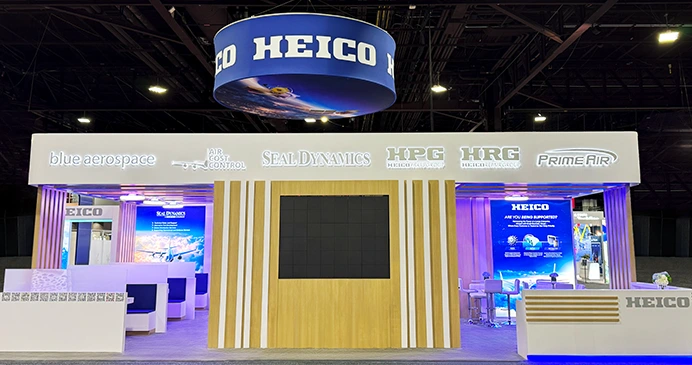
HR Exhibits Service, Inc.