Event Booth Set Up Tips for Security Industry Trade Shows
Effective event booth set up for security industry trade shows demands strategic planning to address unique challenges like showcasing complex surveillance systems, access control hardware, and cybersecurity solutions. Security exhibitors face specific demands: demonstrating live product functionality, integrating heavy technical equipment, maintaining strict compliance with fire codes and electrical standards, and creating secure consultation zones for confidential client discussions.

A well-executed booth translates technical credibility into measurable leads, ensuring your investment in shows like Global Security Exchange (GSX 2026, September 14-16 in Atlanta) delivers maximum ROI through optimized traffic flow, powerful brand messaging, and functional demonstration areas.
Understanding Event Booth Setup for Security Industry Trade Shows
Setting up a booth at big security-focused events means being aware of the different operating needs that security demos have compared to regular product displays. Live data feeds, network infrastructure, and power-hungry hardware that must work perfectly during multi-day events are common parts of security equipment.
Unique Space and Equipment Requirements
Most of the time, security exhibitors need more electricity than other booths. Power needs to be carefully planned for things like lighting systems, computer racks, surveillance camera walls, and interactive touchscreens. Most places have normal 110V plugs, but showing off enterprise-level security systems often needs more powerful electrical packages, sometimes 208V three-phase power.
Your booth contractor should talk to the show organisers about these upgrades months in advance so that expensive installations don't have to be done at the last minute. When allocating space, it's also important to include semi-private meeting rooms so that procurement teams can talk about sensitive security measures without other companies being able to see them.
Compliance and Safety Protocols
Because there is so much electrical equipment at security shows, fire officials do very thorough checks. NFPA 701 flame-retardant approval is needed for all booth materials, like fabric prints, carpeting, and wall panels. When security exhibitors show off physical barrier systems or heavy safes, they need to bring structural engineering reports that confirm the floor load capacities. This is especially important for convention centers with two floors. As part of their service, your setup partner should take care of these compliance papers, which will make sure that checks go smoothly and without any delays.
Timing and Logistics Coordination
Major security shows like GSX usually give exhibitors 24 to 48 hours to move in, but loading docks at famous shows are often crowded. Your installation crew will be less likely to be late at night or early in the morning if you schedule their work during off-peak hours. Booth builders with a lot of experience keep in touch with the venue's labour unions and goods workers. This speeds up the arrival of equipment and keeps budgets from going over by 20 to 30 percent due to unexpected labour costs.

Top Event Booth Design Ideas and Layouts Tailored for Security Trade Shows
To make interesting booths for security goods, you need to find a balance between high-tech features and friendly design that makes people want to talk instead of scaring them away. Your layout should lead people in a logical way from initial interest to in-depth consultation.
Optimized Traffic Flow and Functional Zones
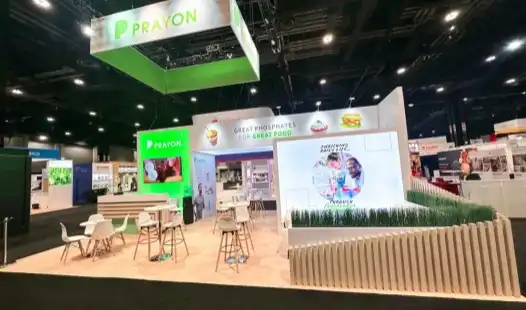
Open-corner designs are good for security booths because they make more entry places and let people naturally move from paths next to them. Creating clear zones in your area makes the experience better for visitors. A large, well-known theatre with seats is used for scheduled product presentations, and workstations around the room let people interact directly with access control panels or surveillance software. Private consultation pods in the back of the booth give serious buyers a private place to talk about prices and timelines for implementation.
Elevated platforms or carpet changes gently direct guest movement without putting up physical hurdles. This keeps the friendly atmosphere that encourages participation. Putting large-format monitors at eye level from the main hallways is a smart way to draw people's attention to live security footage demos or animated infographics that explain how threat detection works.
Technology Integration for Interactive Showcases
Today's buyers of security products want interactive experiences that show how well the products work in real life. Augmented reality (AR) apps let tourists see what surveillance cams would look like in their buildings, and virtual reality (VR) simulations can show how to handle emergencies when security is breached. For these technologies to work together, you need to be able to connect to the internet reliably. Instead of using shared Wi-Fi, which often stops working during busy show times, you might want to buy dedicated bandwidth from the convention center.
Touchscreen kiosks with case studies and ROI tools attract procurement managers who are good at numbers and do their own research before talking to sales staff. Putting RFID badge scanners at high-interest touchpoints automatically collects lead data while protecting visitors' privacy. This gives your team engagement analytics that help them decide what to do next after the show.
Branding and Visual Impact Strategies
Professional, authoritative tones are popular in the security business. Deep blues, greys, and metals all communicate dependability and technological sophistication. Adding unexpected design elements, such as architectural lighting that shines a bright light on important goods or curved walls that soften the look of industrial equipment, can make a big difference in the way people see things in crowded show halls.
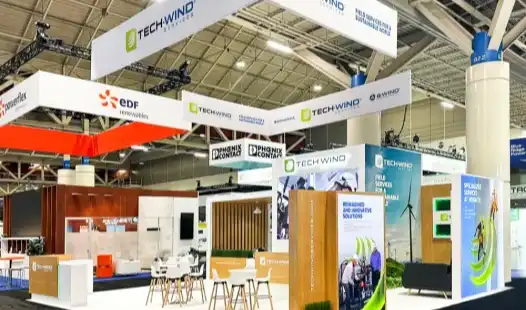
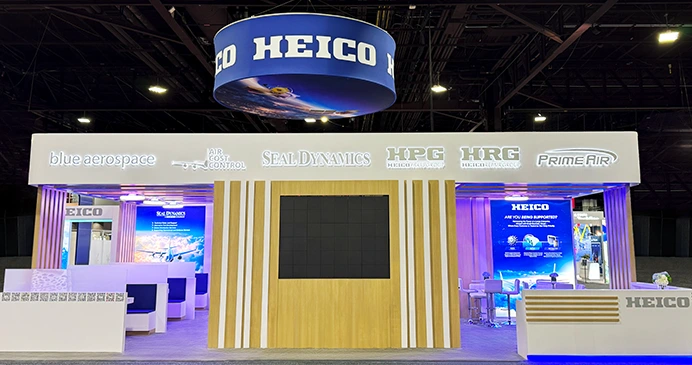
Hanging signs from the ceiling of the venue make them easier to see from the hallways, which is important for sticking out at big events. Hanging elements are usually limited to 20 to 22 feet in height by venue rules and need to be approved by structural engineers. Your booth partner should take care of these technical submissions and make sure that the setup supports your brand without putting people in danger.

Comparing Event Booth Setup Solutions: Modular vs Custom for Security Exhibitors
The choice between modular systems and custom-built structures has a big effect on the flexibility, budget, and brand expression of your exhibition program. Security exhibitors need to think about these things along with their trade show schedules that span years and their ever-changing product lines. A well-planned event booth set up can bridge these long-term strategies and short-term product changes, ensuring that each show reflects your brand consistently while adapting to new security demands.
Modular Systems: Flexibility and Cost Efficiency
Modular booth frames use standard aluminium extrusion parts, like Octanorm or BeMatrix systems, that can be put together without any tools. When compared to custom carpentry, this method lowers installation labour costs by 30 to 50 percent because union crews can set up pre-engineered parts faster. Companies that show at a lot of trade shows each year will benefit from modular designs because the panels and frames are easy to move around to fit different floor plans. For regional shows, a 20x20-foot flexible booth can be changed into two 10x10 setups, making the best use of your assets across your marketing plan.
The main drawback has to do with aesthetics. Modern modular systems let you make a lot of changes by choosing different cloth graphics and accessories, but they still have recognisable structural designs that smart rivals might see as cheap rather than high-end. When security vendors show enterprise-level solutions to Fortune 500 buying teams, they may find that custom fabrication better communicates how they place their brand.
Custom Fabrication: Unique Brand Expression
Custom-built booths use traditional woodworking, CNC-milled parts, and architectural finishes to make unique brand settings that aren't possible with prefab booths. When security companies release new, cutting-edge products or try to get big contracts, they often spend a lot of money on custom buildings that architecturally reflect their new technology. Unique features can be added to these builds, such as hidden storage areas for pricey demo equipment, reinforced floors that can hold heavy machinery, or climate-controlled display cases for fragile electronics.
Custom fabrication requires a bigger initial investment and longer wait times, usually 8 to 12 weeks from approval of the plan to finish. Quality building with long-lasting materials, on the other hand, can last for 8–10 shows, which could be a better long-term value than renting modular systems over and over again. It's important to think about how to store and fix up custom elements between events because broken ones need to be fixed by a professional instead of just being replaced.
Rental Versus Purchase Considerations
There are rental options for different situations that are both modular and custom. Startups that are trying out their first big security show might rent to save money on upfront costs while they see how well the exhibition works. On the other hand, known makers who go to four to five shows a year usually get their money back on assets they buy within 18 to 24 months. Your exhibition partner should give you clear cost comparisons that show you when you'll break even based on the schedule of your show.
Sustainability is becoming a bigger factor in purchasing decisions. Reusable parts in modular systems naturally support the circular economy, while custom builds using FSC-certified wood and low-VOC finishes show environmental responsibility that appeals to business buyers with green buying policies.

How to Choose the Best Event Booth Setup Services and Suppliers
Choosing the right booth builder will determine whether your investment in a security trade show brings in leads or failure. Security exhibitors need vendors who know about technical product needs as well as aesthetics. These services for event booth set up ensure that technical sophistication is effectively communicated.
Essential Evaluation Criteria
Industry knowledge that is specific to security exhibitions is very helpful. Contractors who have been to GSX, ISC West, or ASIS International shows before know the specific compliance rules, customer standards, and organisational challenges these events bring. Ask for examples of past work in the security industry from companies that make access controls, surveillance booths, or cybersecurity. Check to see if the designs effectively show how technical they are while still being easy to understand.
Geographic Proximity and Local Support
Exhibitors who travel to big security shows can get a lot of help from contractors who have facilities close to the cities where the shows are held. Shipping costs, customs delays for international exhibits, and not knowing what the venue's requirements are are some of the problems that companies based outside of the US or in faraway states have to deal with. The whole process goes more smoothly if you choose a partner that has local workshops and established relationships with venues.
We have a deep understanding of these problems. Security companies that are exhibiting at the Global Security Exchange in Atlanta from September 14–16, 2026, or at other major industry events, will have a competitive edge if they work with contractors who offer full local support, including event booth set up, receiving your shipped materials at their facility, managing last-minute graphic updates, and coordinating installation crews who know how to follow venue protocols.
Service Scope and Post-Show Support
In addition to the initial installation, you should look at all of the services that a vendor offers. Does the contractor keep an eye on the show to fix any technology problems that come up? Can they store your booth between events and take care of the inventory and repairs? Is it possible to integrate lead recovery technology and get statistics after the show? Full-service deals make operations easier for your team, so they can focus on the main goals of the show instead of coordinating logistics.
Costs are affected by installation schedules and how well workers are coordinated. Contractors with a lot of experience can efficiently schedule crews so that work gets done before the show opens and no extra fees are charged. They are also in charge of dismantling operations, which includes planning how to pack up equipment, organising shipping, and making sure nothing is left behind after the move-out dates.
Essential Event Booth Setup Checklist for Security Industry Trade Shows
Systematic planning turns complicated show arrangements into processes that are easy to handle. Structured checklists that cover every detail from the beginning of planning to the end of the show are helpful for security exhibitors who are juggling technical equipment, meeting compliance requirements, and getting ready for sales.
Pre-Event Preparation (60-90 Days Before)
Finish designing the booth and get the client's approval on any models. Make sure that the design is in line with the marketing messages and start dates for the product. Send all the necessary paperwork to the event organisers, such as electricity orders, rigging applications, requests for internet bandwidth, and compressed air if you want to show off pneumatic security hurdles. You can hire official contractors to do the installation work or get permission from the place for private crews. Order promotional items like printed brochures, branded giveaways, and new graphics with enough time to spare.
Carefully plan the procedures of shipping. A lot of security equipment has expensive, fragile parts that need to be packed in a certain way. Label all of the crates clearly with the booth number and a list of everything that's inside. Plan for delivery to happen during the time you're allowed to move in, which is usually 24 to 48 hours before the show opens. When goods goes missing, setup delays are so bad that no worker can fix them.
On-Site Installation and Testing
Even if you hire professional workers, get there early to keep an eye on things. Before plugging in sensitive equipment, make sure that the electrical connections deliver the right voltage and amperage. All of the display systems, like the network links, surveillance feeds, and access control readers, should be tested more than once. When security products don't work during live demonstrations, they lose all credibility with smart buyers.
Make changes to the lighting to get rid of screen glare on computers and make sure that product spotlighting has a big effect on how it looks. Place furniture in a way that makes it easy for people to sit and talk. Bar-height tables are good for short talks, while sitting places are better for longer conversations. Make sure the booth has enough business cards, information, and extra supplies like charging cables, extension cords, and cleaning supplies.
Post-Show Logistics and Lead Management
Quickly taking things apart saves your investment. Watch over the packing to make sure that the electronics and custom booth parts are handled correctly. Do what you need to do to leave the place quickly so you don't have to pay extra for leaving late. Set up debriefing sessions while the show is still fresh in people's minds. At these meetings, you can write down what went well, what didn't, and ways to make future events better.
Set up immediate follow-up protocols for leads. Security purchases take months, but making a quick first contact while your brand is still fresh in people's minds greatly increases the number of sales. Sort leads into groups based on their importance: hot prospects need urgent offers, warm contacts need to be nurtured, and informational enquiries need to be nurtured over time. A crucial part of this process is event booth set up, as a well-organized and visually compelling booth not only attracts more qualified leads but also makes it easier for your team to capture and categorize visitor information from the very first interaction.
Maximizing Success at September 2026 Security Industry Events
This September brings concentrated opportunities for security exhibitors across the United States. The Global Security Exchange (GSX) in Atlanta from September 14–16, 2026, is the biggest event in the industry and brings together physical security experts, cybersecurity leaders, and enterprise risk managers. This show needs your strongest exhibition representation because the people who go to GSX have a lot of buying power and are constantly looking at new options.
Parallel events make networking more likely. From September 14th to 16th, the International factory Technology Show (IMTS) is held in Chicago at the same time. Industrial security buyers who are interested in facility defence and factory cybersecurity attend. While IMTS is more focused on manufacturing as a whole, security exhibitors who work with industrial clients often find good crossover possibilities, especially when it comes to access control and monitoring that can be used in production sites.
The Custom Electronic Design & Installation Association (CEDIA) meets in Denver from September 1st to 4th, 2026. Even though CEDIA is mostly about home and business integration, it attracts installers and integrators who also set up security systems. This gives manufacturers looking for dealer networks the chance to reach new customers. Later that month, on September 23–25, the PRINTING United Expo will be held in Las Vegas. This event is for people who work in the printing industry, but security companies that offer anti-counterfeiting technologies and secure document printing solutions can also find business opportunities there.
Planning a show presence at several events in September involves careful planning of how to use resources. Experienced booth builders help exhibitors make the best designs so they can be used at multiple shows that month. They do this by changing the plans to fit the needs of different types of audiences while keeping the brand's identity consistent. This method makes the most of marketing investments without wearing down staff by making them do the same setup tasks over and over again.
Conclusion
For security industry exhibitions, a successful event booth set up combines technical skill with smart marketing planning. Security exhibitors have to show off complex technology, meet strict compliance standards, and make environments that build trust with procurement professionals who don't like taking risks. Working with experienced contractors who know what the security industry needs will make sure everything goes smoothly, whether you choose modular flexibility or custom brand expression.
The trade shows in September 2026 offer great chances, especially GSX in Atlanta, where people who make decisions are constantly looking for new ways to do things. With careful planning using detailed checklists, strategic design that balances technology with approachability, and event booth set up supported by professional installation, show investments can be turned into measurable business growth through qualified leads and increased trustworthiness in the industry.
FAQ
What electrical requirements should security exhibitors plan for?
For security shows, the electrical service usually needs to be improved beyond what comes with a basic booth. Many times, 20-amp circuits or 208V three-phase power are needed for surveillance systems, computer equipment, and multiple panels. Figure out how much power you'll need ahead of time, and send in your electrical orders 30 to 45 days before the show to avoid having to pay expensive rush fees at the last minute. Professional booth contractors look at the specs of your equipment and suggest the best way to set up the power so that circuits don't overload during demonstrations.
How do modular and custom booths compare for multi-show security exhibitors?
Modular systems are more flexible and cheaper to install, which makes them perfect for companies that go to 4–6 shows a year and have booths of different sizes. Custom builds give your brand a unique look and include unique features like reinforced floors or built-in wire management for big, complicated equipment. When security companies are trying to get high-end business clients, they usually choose custom fabrication for the first two or three big shows a year and modular solutions for smaller events in other areas. Your builder should look at your show schedule and budget to figure out the best way to go about things for your event booth set up.
What lead time is necessary for major security trade shows?
90 to 120 days before big shows like GSX, you should start making plans. This schedule takes into account the time it takes to develop the design, get structural approvals for hanging signs or special rigging, meet electricity and internet buying deadlines, and make the graphics. Even earlier starts (120–150 days) are better for shows with complicated technical demonstrations because they give more time to test equipment and figure out what to do if something goes wrong. Professional contractors keep detailed schedules that include all vendor due dates. This way, nothing gets missed during the busy pre-show times.
Partner with Security Exhibition Specialists
HR Exhibits Service, Inc. gives specialised knowledge to trade shows in the security business by combining technical knowledge with artistic design quality. For security vendors all over the United States, our site in Las Vegas and our experienced team offer full event booth set up services. We know that security products put special needs on booth infrastructure, like handling a lot of electricity and making sure that compliance paperwork is completed and that demonstration areas are safe.
Our full-service company takes care of everything, from the initial idea to the final disassembly. This includes launching cutting-edge surveillance technology at GSX in Atlanta this September or showing off new ideas in access control at regional security exhibitions.
As a trusted event booth set up company, we've helped security manufacturers, cybersecurity firms, and physical security providers make exhibition spaces that turn booth visitors into good sales opportunities. Companies coming from outside the region find our local support to be very helpful. We handle getting goods, providing safe storage for equipment, and coordinating venue-specific details that exhibitors from outside the area find difficult.
Contact our team at info@hrexhibits.com to discuss your upcoming security trade show requirements. We'll provide transparent consultations on modular versus custom solutions, realistic budget parameters, and strategic design recommendations tailored to your specific products and target audience. Let us transform your next exhibition investment into measurable marketing success.
References
1. Chapman, Edward. Trade Show Exhibition Design: Strategic Planning and Execution. New York: Marketing Press International, 2024.
2. Reynolds, Patricia and Michael Torres. "Optimizing ROI in B2B Trade Show Exhibitions: Booth Design and Lead Generation Metrics." Journal of Business Marketing Strategy 38, no. 4 (2025): 112-134.
3. National Fire Protection Association. NFPA 701: Standard Methods of Fire Tests for Flame Propagation of Textiles and Films, 2025 Edition. Quincy: NFPA Publications, 2025.
4. Sullivan, James. Security Industry Trade Shows: Exhibitor's Guide to Technology Demonstration and Compliance. Chicago: Professional Security Publishing, 2024.
5. Anderson, Katherine. "Modular Versus Custom Booth Systems: Cost-Benefit Analysis for Multi-Show Exhibition Programs." Exhibition Management Quarterly 19, no. 2 (2025): 45-67.
6. Global Security Exchange. GSX 2026 Exhibitor Services Manual and Technical Specifications. Atlanta: ASIS International, 2025.

Embark on Your Journey to Exceptional Exhibitions! Contact HR Exhibits Today to Transform Your Vision into Global Success.
HR Exhibits Service, Inc.