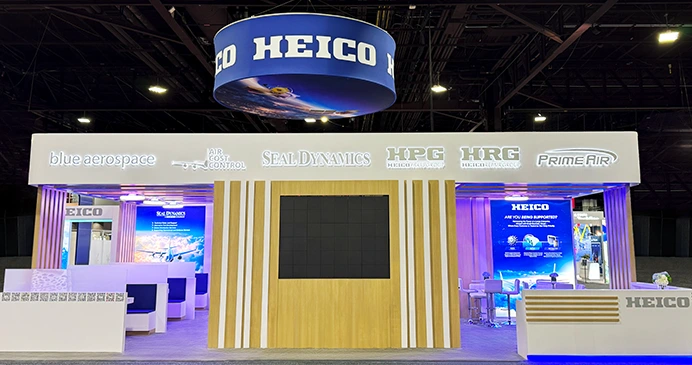
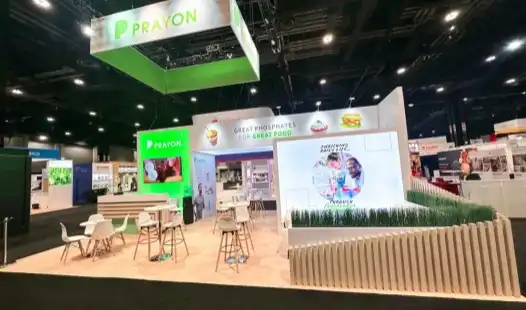
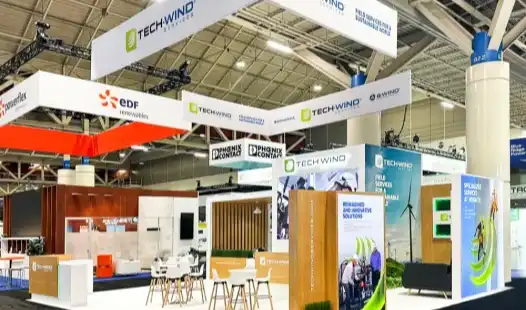
A well-designed custom trade show booth serves as the cornerstone of successful exhibition marketing, combining strategic branding with functional design to create memorable experiences that drive business growth. The essential elements of a custom trade show booth include strategic space utilization, compelling visual design, interactive technology integration, quality materials, and seamless logistics coordination. These components work together to differentiate your brand from competitors while maximizing visitor engagement and lead generation potential. Unlike standard modular displays, custom solutions offer unlimited creative possibilities that align perfectly with your marketing objectives and brand identity.
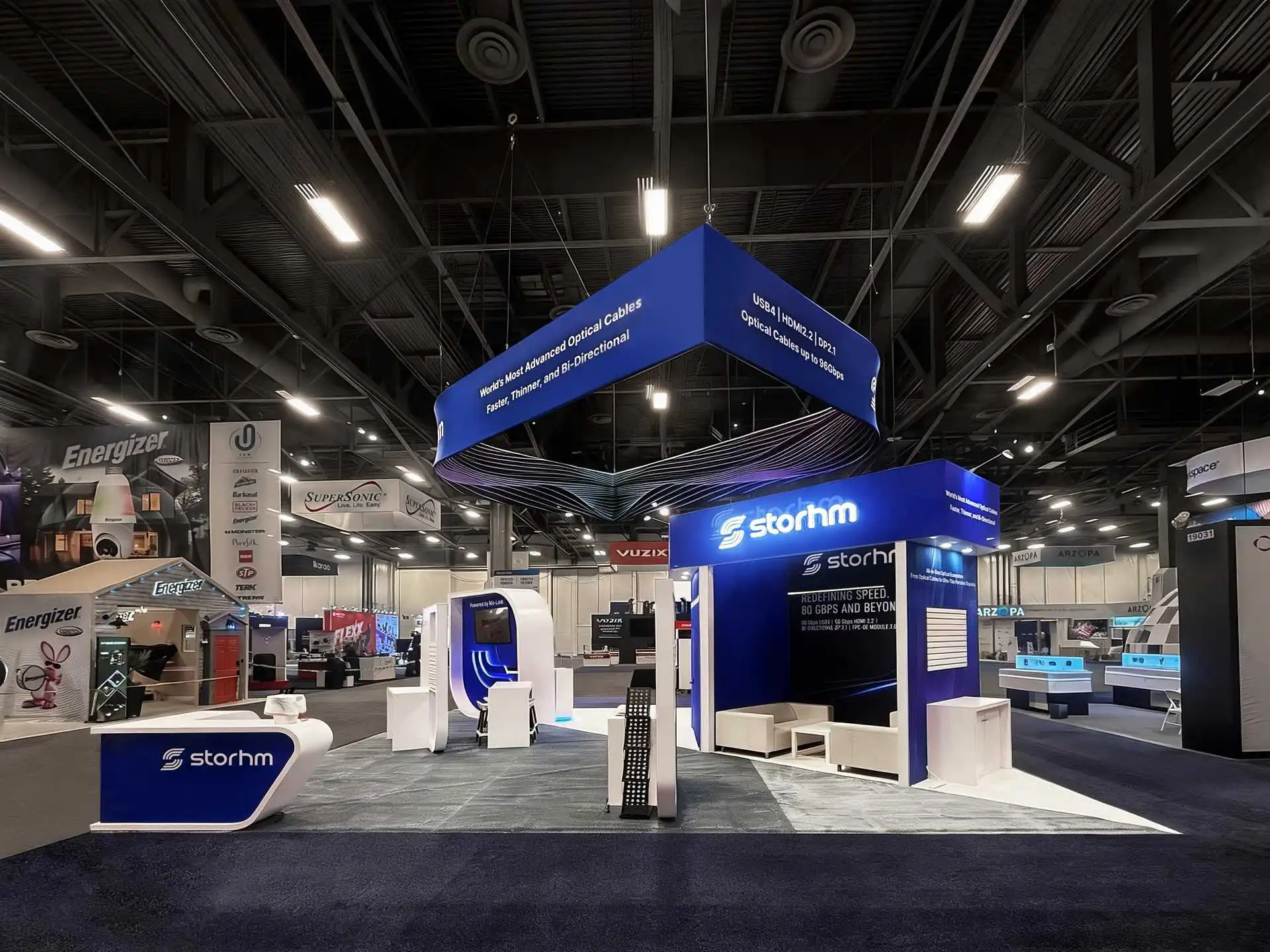
Introducing Custom Exhibition Displays and Their Strategic Advantages
Custom exhibition displays represent a significant investment in your company's marketing infrastructure, offering unparalleled flexibility and brand representation capabilities. These bespoke solutions differ fundamentally from pre-fabricated alternatives by providing complete design freedom and scalable configurations that adapt to various venue requirements.
The strategic advantages of investing in custom booth solutions extend far beyond mere aesthetics. Companies utilizing tailored exhibition spaces typically experience 40% higher visitor engagement rates compared to those using standard displays. This increased interaction directly translates to improved lead quality and enhanced brand recall among target audiences.
Custom designs allow for precise integration of company messaging, product showcases, and interactive elements that reflect your organization's unique value proposition. The flexibility inherent in these solutions enables businesses to modify configurations for different events while maintaining consistent brand identity across multiple exhibitions.
Critical Design Components That Drive Exhibition Success
Successful exhibition booth design relies on carefully orchestrated elements that work harmoniously to create engaging visitor experiences. Understanding these fundamental components helps procurement professionals make informed decisions when selecting design partners and establishing project requirements.
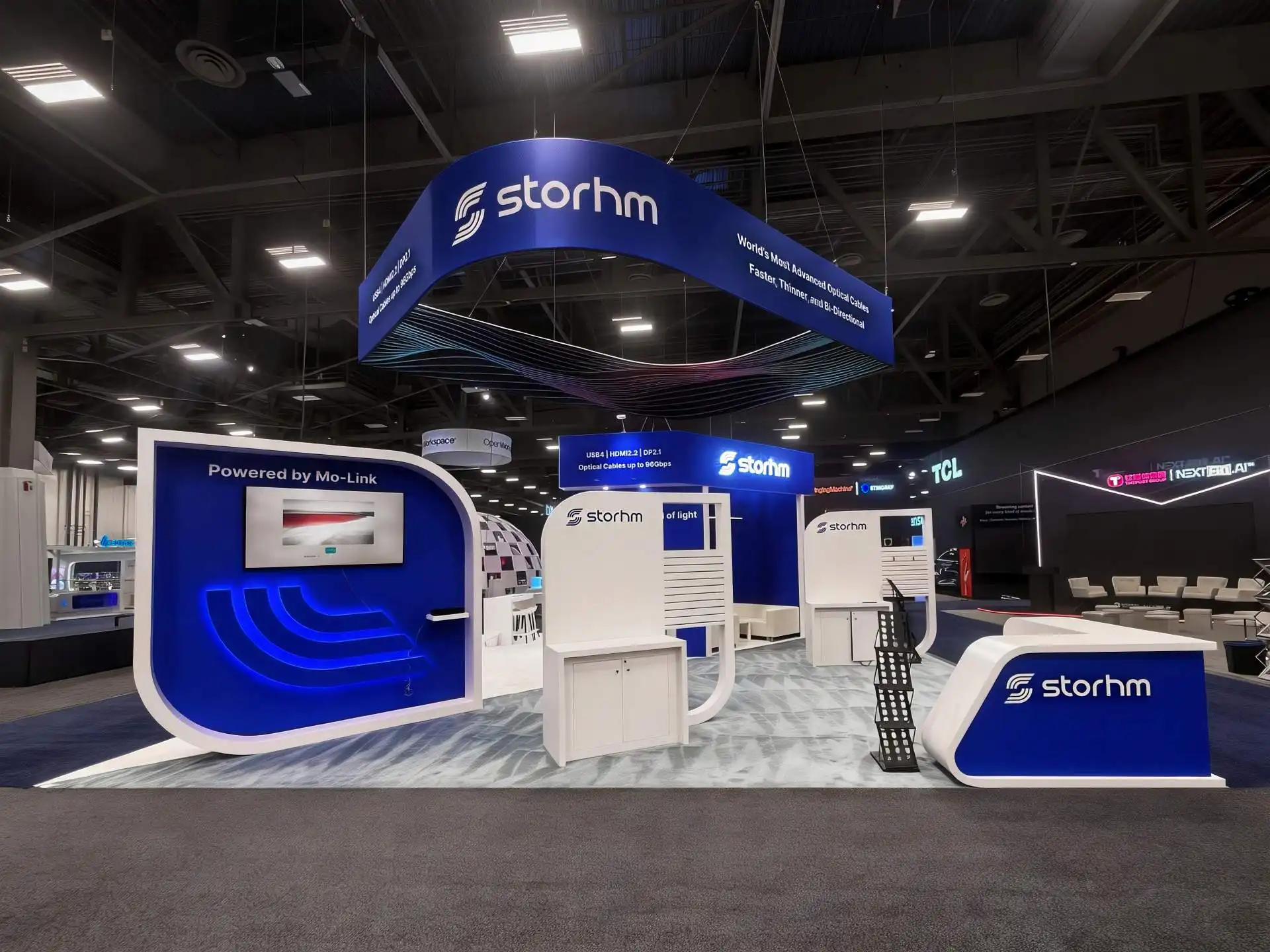
Strategic organizing space that strikes a balance between product display areas and visitor circulation zones is the cornerstone of making a booth design that is both successful and efficient. For optimal layouts, dedicated meeting places, storage options, and clear view lines that direct attendees' movement across the show are all essential components. The principles of traffic flow are used by professional designers in order to guarantee the most possible exposure for essential items while simultaneously limiting congestion in essential places.
Visual impact represents another crucial component that determines initial visitor attraction to a Custom Trade Show Booth. This encompasses strategic use of color psychology, typography selection, and graphic hierarchy that communicates brand messages within seconds. Research indicates that attendees form impressions about exhibiting companies within the initial three seconds of viewing their displays.
Here are the core design elements that distinguish exceptional custom booths:
- Structural Innovation: Advanced framework systems utilizing lightweight yet durable materials such as aluminum extrusions and carbon fiber composites provide stability while enabling complex architectural features. These materials support creative overhead elements, curved walls, and multi-level configurations that create dramatic visual impact.
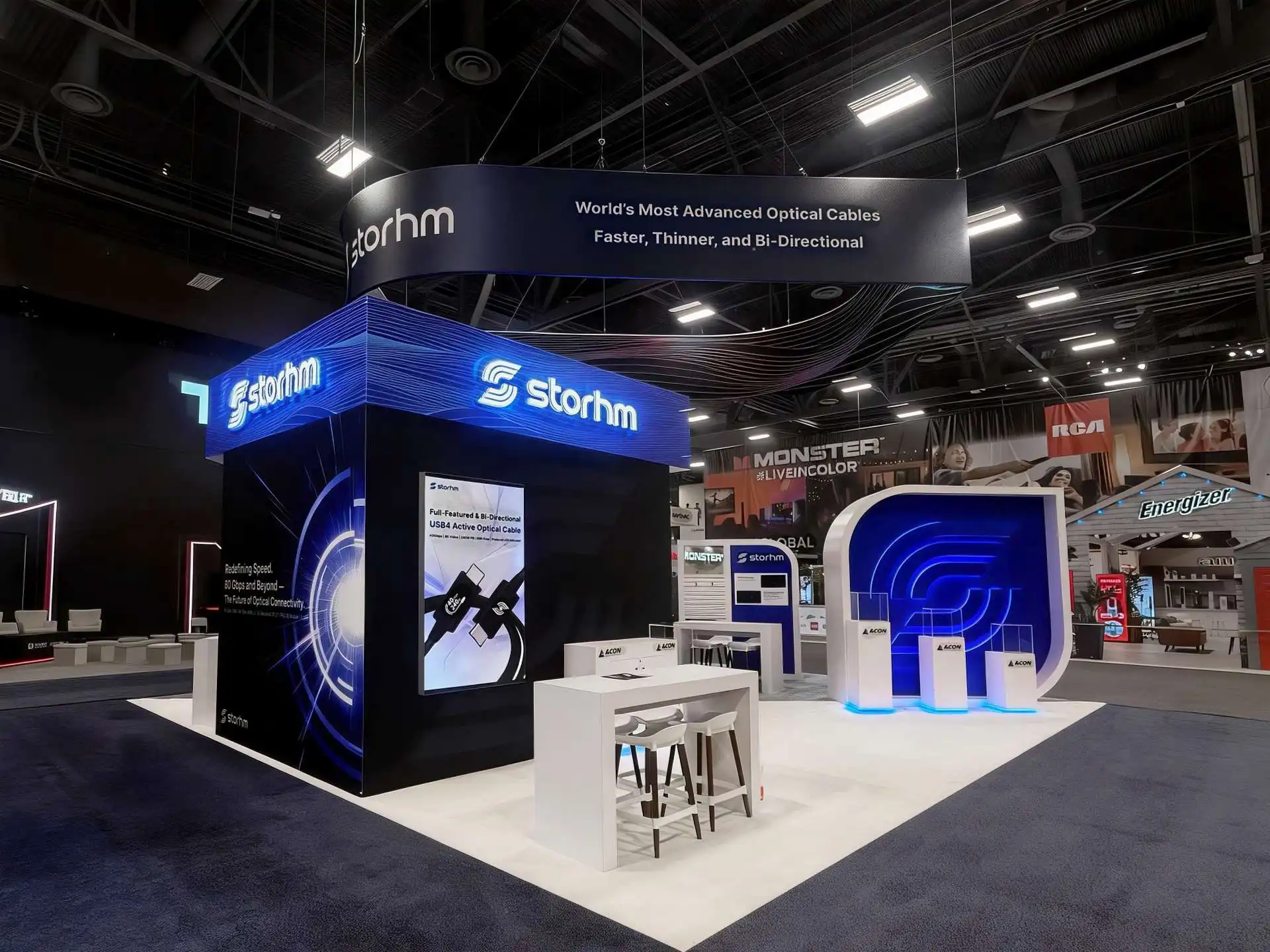
- Integrated Technology Solutions: Modern exhibition displays incorporate seamless technology integration including LED video walls, interactive touchscreens, augmented reality demonstrations, and wireless connectivity infrastructure. These elements enhance visitor engagement while providing measurable interaction data for post-event analysis.
- Sustainable Material Selection: Environmental consciousness drives material choices toward recyclable substrates, low-emission finishes, and energy-efficient lighting systems. Sustainable practices align with corporate responsibility initiatives while reducing long-term operational costs.
- Modular Flexibility: Intelligent design incorporates modular components that enable configuration changes for different exhibition spaces without requiring complete reconstruction. This adaptability maximizes return on investment across multiple events.
These design elements collectively create exhibitions that capture attention, facilitate meaningful interactions, and generate measurable business results for participating organizations.
Comprehensive Analysis: Custom vs. Alternative Exhibition Solutions
Procurement professionals must evaluate multiple exhibition options to determine the most effective solution for their organization's specific requirements. This analysis examines the distinct advantages and considerations associated with custom designs compared to modular and rental alternatives.
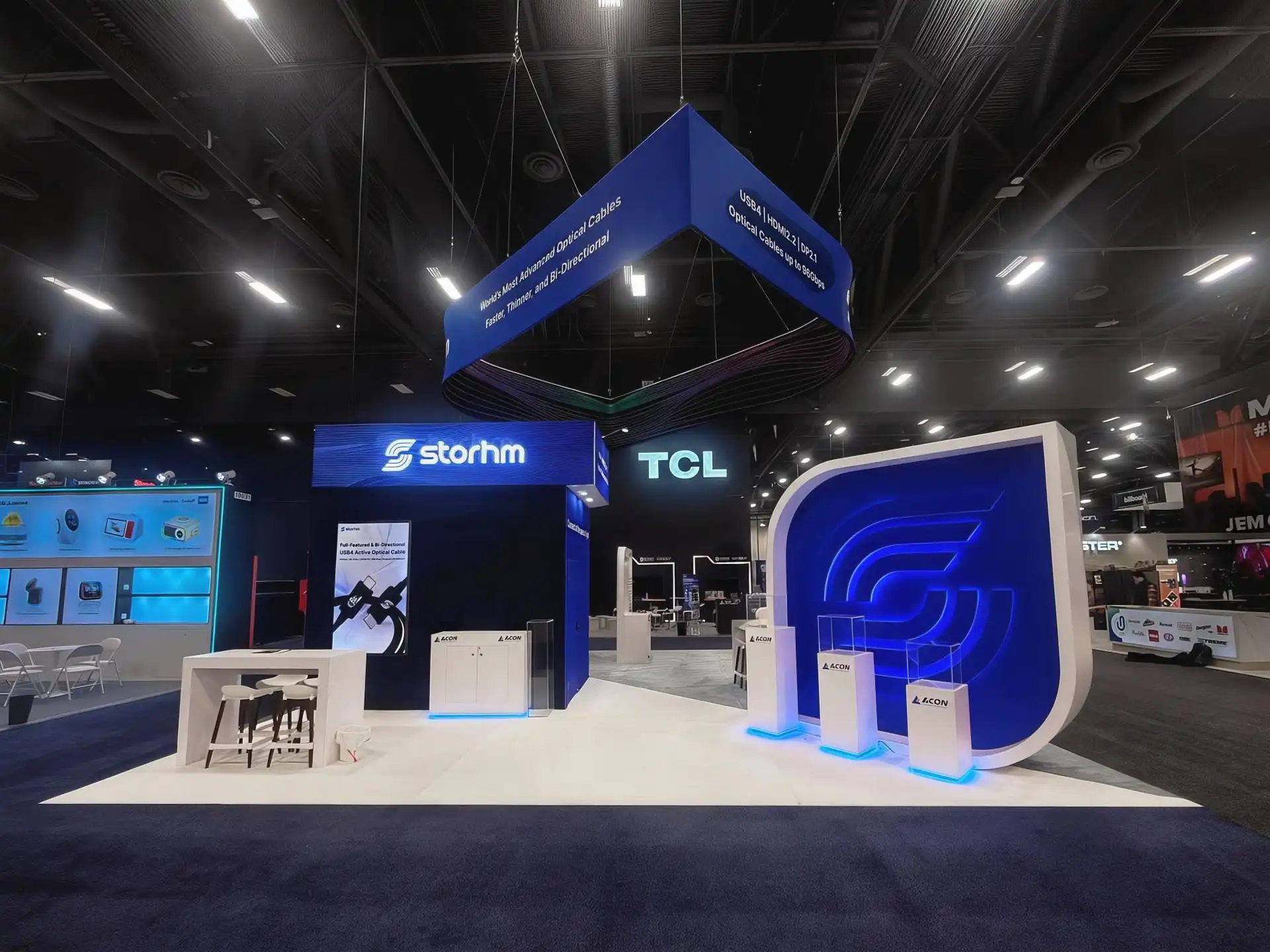
Custom exhibition solutions, particularly a Custom Trade Show Booth, offer unmatched design flexibility and brand representation capabilities. Organizations can incorporate specific architectural elements, proprietary product displays, and unique interactive features that directly support their marketing objectives.
Modular systems provide solutions that are more cost-effective, need shorter lead times, and include components that are consistently standardized. Organizations that have constant exhibiting requirements and low modification demands are good candidates for these solutions. On the other hand, the design restrictions that are inherent in modular structures may restrict options for innovative thinking and brand distinctiveness.
Rental options offer short-term flexibility without ownership responsibilities. This approach suits companies with infrequent exhibition participation or those testing new market opportunities. While rental costs appear lower initially, frequent users often discover that ownership provides better long-term value.
The choice matrix need to take into consideration a variety of elements, such as the yearly exhibition frequency, the requirements for brand uniqueness, the restrictions of the budget, the storage capacity, and the preferences about logistics. Custom ownership, as opposed to recurrent leasing expenditures, often results in a greater return on investment for businesses who participate in a minimum of three exhibits on a yearly basis.
Strategic Procurement Process for Custom Exhibition Solutions
Successful procurement of custom exhibition solutions requires systematic evaluation of potential partners and comprehensive project planning. The selection process begins with identifying manufacturers that demonstrate relevant industry experience, quality certifications, and proven track records serving similar organizations.
Suppliers that meet the requirements should be in possession of an ISO 27001 quality management badge, full insurance liability protection, and established ties with key show locations. The portfolio that they provide should include projects that are similar in terms of extent and complexity, showcasing the technical skills that are necessary for your particular needs.
Beginning with the first consultation and continuing through the final installation, the procurement schedule normally lasts between 12 and 16 weeks. The design creation, client approvals, manufacture, shipment, and on-site installation are all components that are accommodated within this timeframe. These deadlines may be compressed by the use of rush projects; however, this may result in increased costs and fewer design possibilities.
Effective supplier relationships for a Custom Trade Show Booth extend beyond initial fabrication to encompass ongoing support services. Value-added offerings include secure storage facilities, maintenance programs, configuration modifications, and global shipping coordination. These services reduce operational complexity while ensuring consistent exhibition quality across multiple events.
International suppliers often provide competitive pricing advantages while maintaining quality standards equivalent to domestic manufacturers. Global partnerships enable access to specialized materials, advanced manufacturing technologies, and cost-effective production capabilities that enhance overall project value.
Maximizing Exhibition ROI Through Strategic Implementation
A comprehensive preparation that includes pre-event marketing, on-site execution, and subsequent follow-up activities is required in order to maximise the return on investment that can be obtained from tailored exhibition solutions. This preparation extends beyond the design of the booth itself.
Throughout the preparation for the event phase, components of booth design should be linked with bigger marketing campaigns in order to provide customers with experiences that are coherent throughout the whole event. For the purpose of this coordination, ads, events for staff training, and electronic advertising campaigns are synchronized with the actual display area. Companies that use integrated marketing strategies often get rates of conversion for leads of up to sixty percent greater than those which are achieved by organizations who treat displays as distinct events.
On-site execution demands meticulous attention to staff positioning, product demonstration scheduling, and visitor engagement protocols. Effective booth management creates welcoming environments that encourage meaningful conversations while efficiently capturing qualified lead information. Professional staff training ensures consistent message delivery and optimal utilization of booth features.
The analysis that is carried out after an event gives vital information that can be used for the further development of the organization as well as the production of future exhibits. The gathering of comprehensive data should include the monitoring of visitor interaction patterns, lead eligibility indicators, and the rate of conversion in order to offer information that can be utilized to influence improvements to the design and updates to the strategy. Because of this analytical process, it is able to make judgments based on data, which ultimately lead to an increase in the efficacy of displays over time.
Conclusion
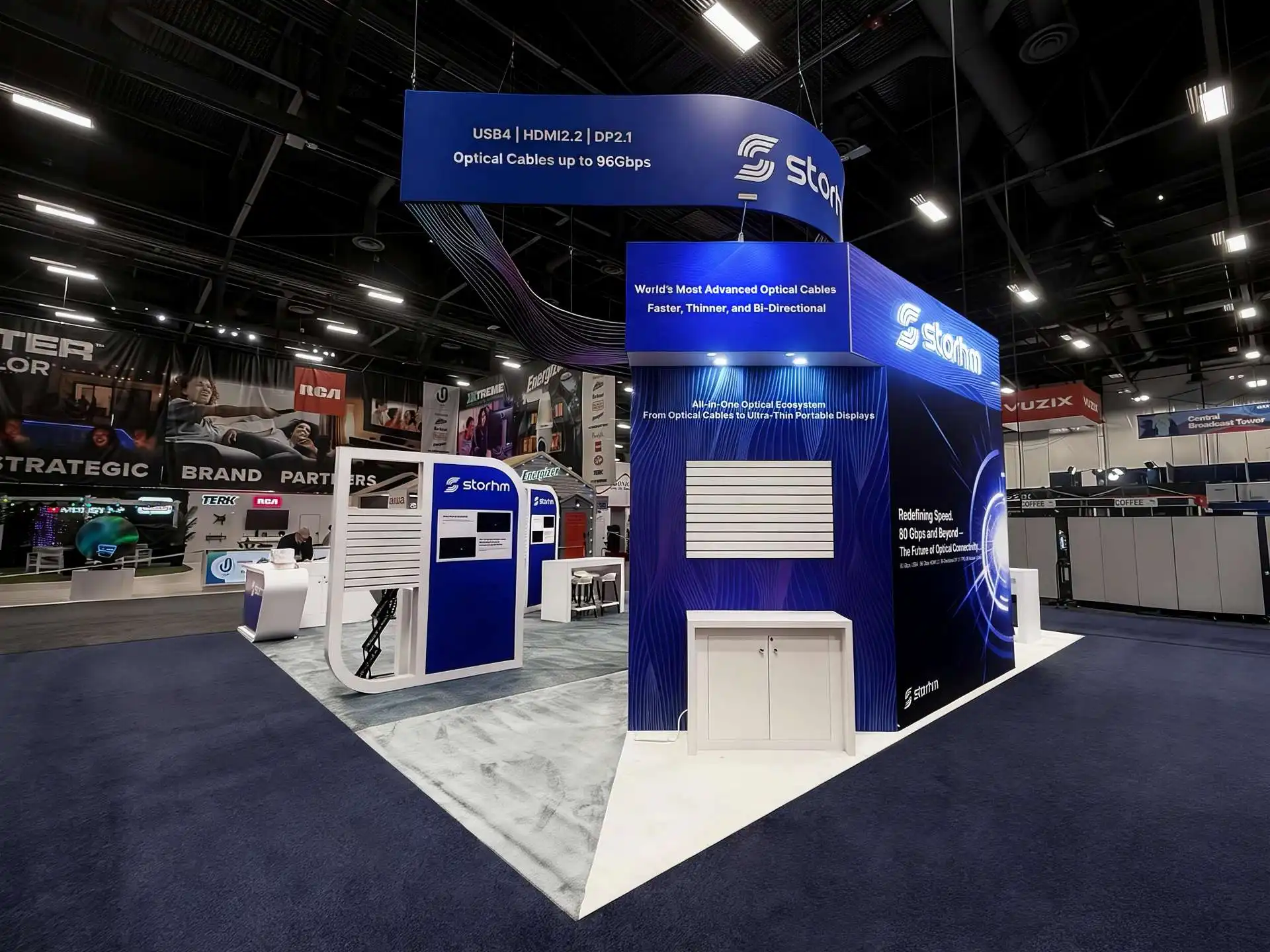
Custom trade show booths represent strategic investments that deliver measurable returns through enhanced brand visibility, improved visitor engagement, and superior lead generation capabilities. The essential elements of successful custom displays include thoughtful space utilization, compelling visual design, integrated technology, quality materials, and professional execution. When properly implemented, these components create memorable experiences that differentiate your organization from competitors while supporting broader marketing objectives. Partnering with experienced exhibition specialists ensures optimal results and seamless execution across multiple events and international venues.
FAQ
How long does the custom booth development process take?
Standard development timelines range from 12-16 weeks including design, approvals, fabrication, and shipping. This schedule allows for thorough planning and quality construction. Rush projects can be accommodated in 6-8 weeks but may limit design options and incur premium pricing.
Can custom booths be modified for different exhibition spaces?
Yes, professional designers incorporate modular elements that enable configuration changes for various venue requirements. This flexibility allows companies to adapt their investment for different booth sizes and layouts while maintaining consistent brand presentation across multiple events.
Partner with HR Exhibits Service, Inc. for Custom Trade Show Booth Excellence
HR Exhibits Service, Inc. is a reliable custom trade show booth provider that offers full exhibition solutions that translate marketing goals into quantifiable business outcomes. For more information, visit our website. In order to produce displays that are able to attract attention and promote meaningful connection with visitors, our seasoned design team blends creative skills with technological competence.
Our comprehensive service portfolio encompasses every aspect of exhibition success, from initial concept development through post-event storage and maintenance. We understand the complexities faced by international exhibitors and provide seamless logistics coordination that eliminates operational concerns while ensuring flawless execution.
As a leading producer in the exhibition business, we adhere to quality standards that have been verified by the International Organization for Standardization (ISO) and make use of cutting-edge materials that provide remarkable durability and impact on the eye. By using our worldwide perspective, we are able to successfully traverse the international shipping needs, venue laws, and cultural implications that are all factors that influence the success of an exhibition. Transform your exhibition presence with custom solutions designed specifically for your brand and marketing objectives. Contact us at info@hrexhibits.com to schedule a consultation and discover how our expertise can elevate your next exhibition experience.
References
1. Jennifer M. Smith wrote the article "Trade Show Business Strategy: Achieving ROI Through Unique Exhibition Design." Research on the Exhibition Industry. 2023.
2. Chen, David L. has published "Material Creativity in Urban Exhibition Construction: Environmental Responsibility and Performance Analysis." 2023 edition of the International Trade Show Journal.
3. Rodriguez, Maria C. has published "Visitor Retention Patterns in Business-to-Business Trade Show Venues: A Thorough Study." The 2022 edition of Marketing Research Quarterly.
4. According to the Business Event Planning and Management Review published in 2023, Robert K. Thompson authored an article titled "Global Exposition Logistics: Strategies for Managing Trade Show Participation."
5. Williams, Sarah J. has published "Technology Mixing in Contemporary Display Design: Concepts and Applications." at 2023, digital marketing will be used at events.
6. In the year 2022, the publication Purchasing Strategy Today published an article titled "Cost-Benefit Analyses of Custom vs. Stackable Trade Show Products for Enterprise Clients."