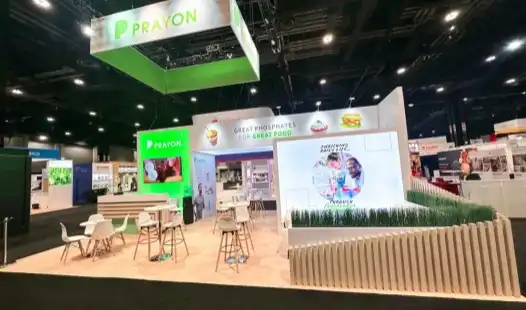
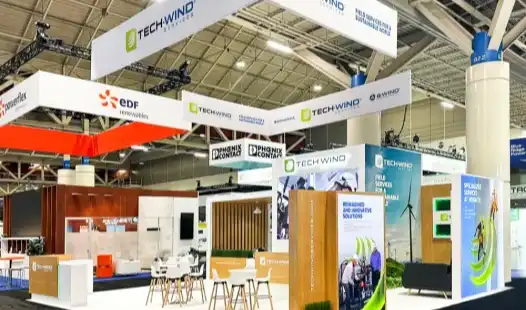
Cosmoprof Las Vegas: Booth Set Up for 200+ SKUs in Small Space
With only a few square feet, setting up a successful booth at Cosmoprof Las Vegas with more than 200 SKUs takes careful planning and skilled execution. Displaying a large number of products without making the booth look crowded or overwhelming the visitors is made possible by a professional booth set up for exhibition. This method uses flexible shelving systems, vertical display integration, and smart zoning that sorts goods by function or type of customer. The design makes the most of every space while keeping clear lines of sight that encourage people to interact. Smart space planning has a direct effect on lead generation and brand image at events like Cosmoprof North America (July 13–15, 2026, Las Vegas, NV), where beauty and cosmetic brands fight for attention. With smart layout and flexible booth design, the right exhibition structure can turn limited room into a competitive edge.
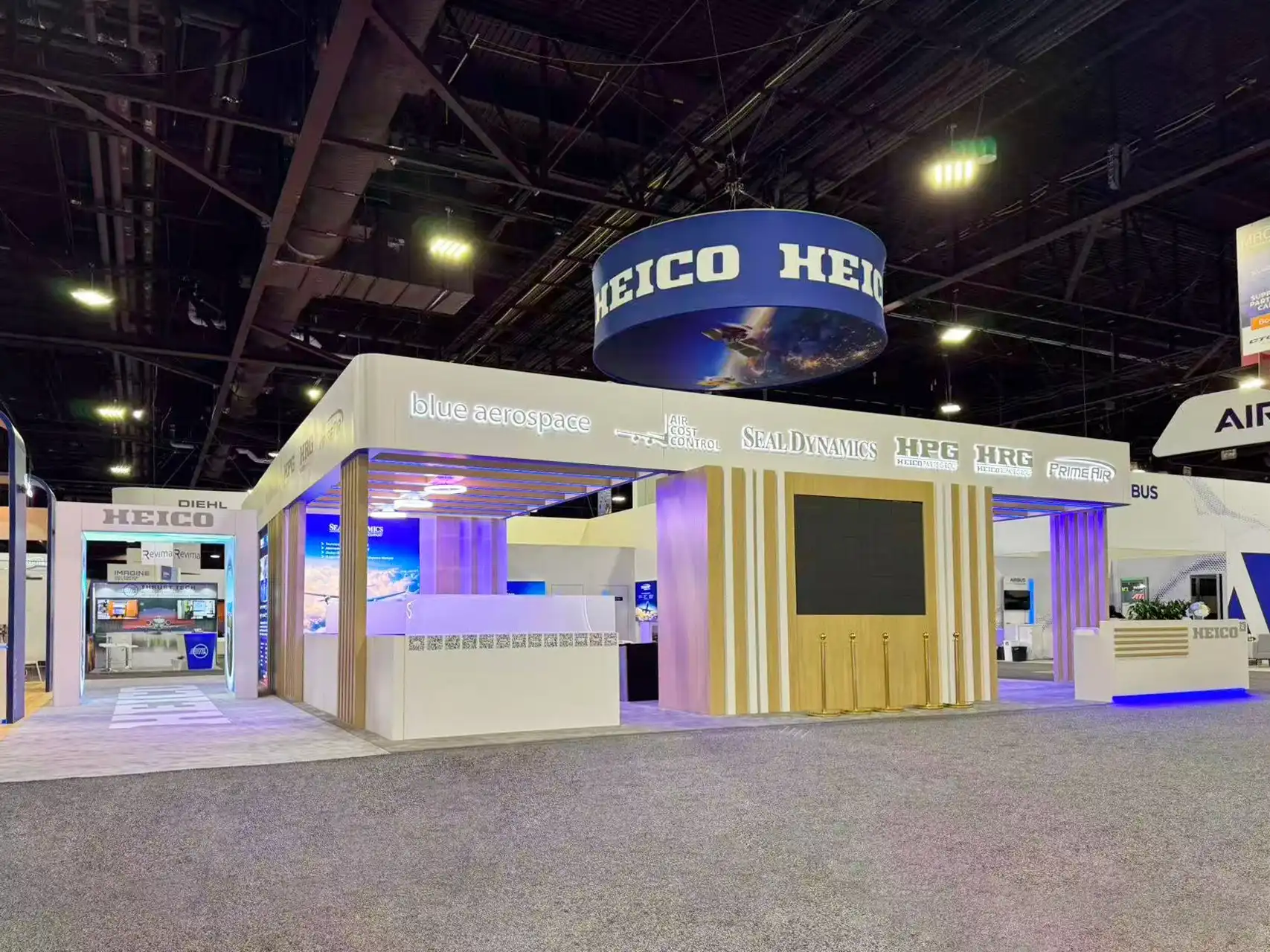
Understanding the Challenges of Setting Up a Small Exhibition Booth for 200+ SKUs
Putting more than 200 different products on display in a small booth space creates real problems that can stop even the best-funded marketing efforts in their tracks. The average Cosmoprof North America exhibitor has a straight booth that is 10x10 feet to 10x20 feet. Each square foot of space is expensive and important for strategy. When you show off a huge SKU catalogue that includes skin care serums, colour makeup, tools, and new ways to package products, you run the risk of making the space look crowded and disorganised very quickly.
Typical Space Constraints at Cosmoprof Las Vegas
Cosmoprof North America is held every year at the Mandalay Bay Convention Centre in Las Vegas. It brings in thousands of people who work in the beauty business who are looking for the newest products. Booth sizes are common, and places in lines are usually only 100 to 200 square feet. Because of these measurements, sellers have to make tough choices about which goods to highlight and which to put in catalogues or on tablet displays. The venue's height limits—usually 12 feet for straight booths without special permission—make it even harder to grow vertically. When the buying and operations teams know about these physical limits early on in the planning process, they can set realistic goals and avoid having to make last-minute design changes.
Common Layout Inefficiencies That Undermine Engagement
Bad booth plans always show up in the same ways: too many items on the shelves make it hard to see the details of the products, narrow aisles make it hard to browse, and lighting that isn't even or constant makes it hard to see the most important items. When entry and exit places aren't clear or when valuable items are tucked away in areas, visitor flow is slowed down. These problems don't just make guests angry; they also lower dwell time, talk quality, and, in the end, the number of leads that are converted.
According to a study by the Centre for Exhibition Industry Research, people who visit booths spend 8.3 minutes on average in well-organized areas but only 3.1 minutes in crowded ones. The financial effects are severe: the booth investment was lost, the return on investment (ROI) was low, and the brand's image was hurt in a crowded market.
Practical Principles for Maximizing Efficiency
To solve these problems, you need to use tried-and-true design concepts that work well in places with a lot of SKUs. Lightweight aluminium extrusions are used to make modular display systems with frames that can be rearranged to fit new product lines. Vertical use is very important. Signs that hang from the ceiling, wall-mounted grid systems, and hanging shelves all make good use of upper areas that are often overlooked.
Smart storage solutions, like locked cabinets and sections under the counter, keep backup merchandise easy to get to without taking up valuable show space. Putting items into subject areas like "Professional Tools," "Retail Bestsellers," and "New Launches" makes it easier for customers to find what they're looking for and helps salespeople lead talks more effectively. All of these tactics work together to turn limited room into well-organized, visually appealing customer journeys within a booth set up for exhibition.
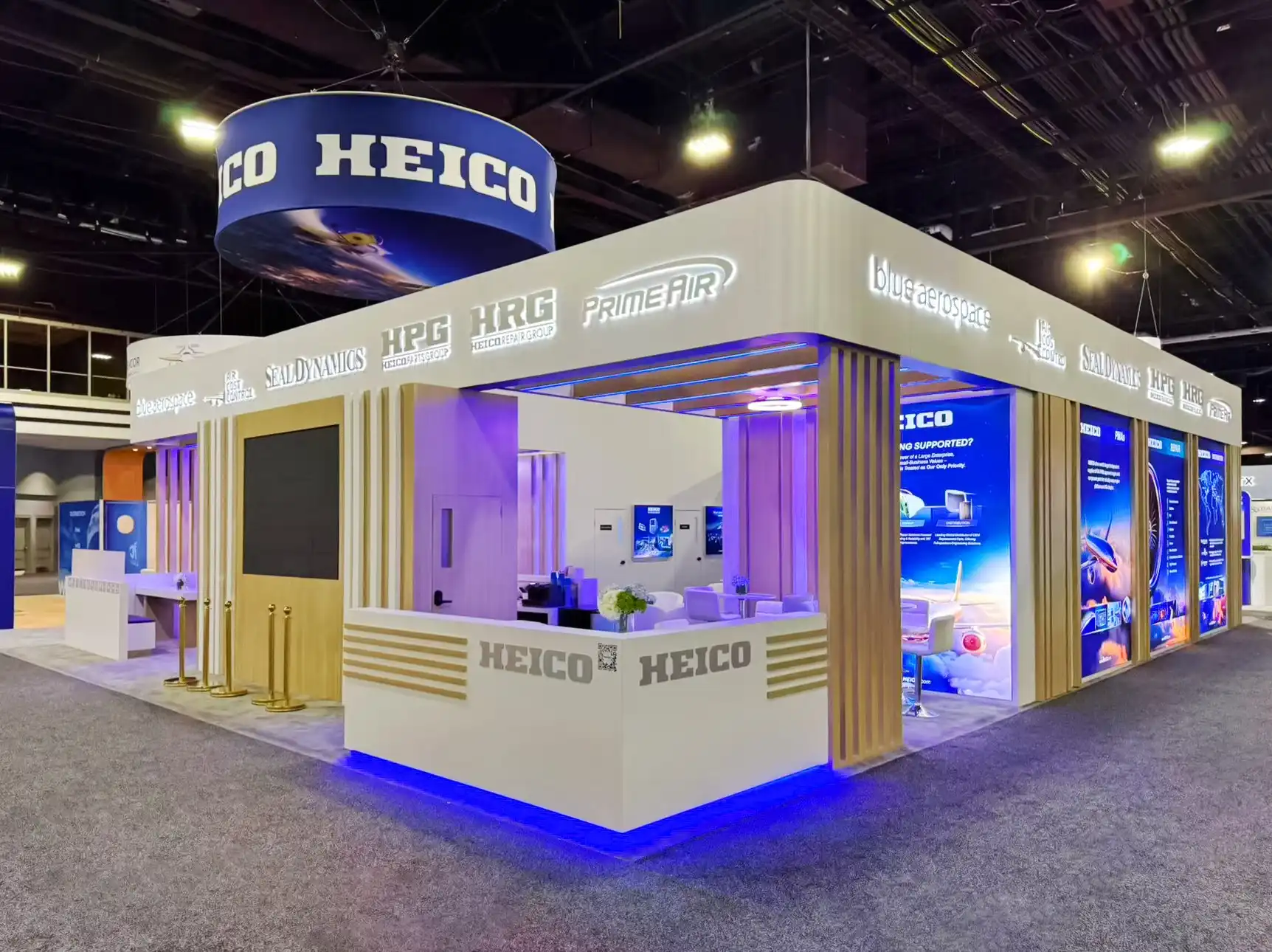
Innovative Booth Design Strategies Tailored for High SKU Density
Long product catalogues make it hard for traditional exhibition structures to hold up, making displays that are heavy and can't be moved around that don't show off goods well. Cosmoprof Las Vegas has a lot of exhibitors in the beauty and makeup industry, which wants beautiful displays that are both dense and easy to find. These needs are met by modern booth design, which uses engineered flexibility and visual order.
Modular and Customizable Booth Solutions
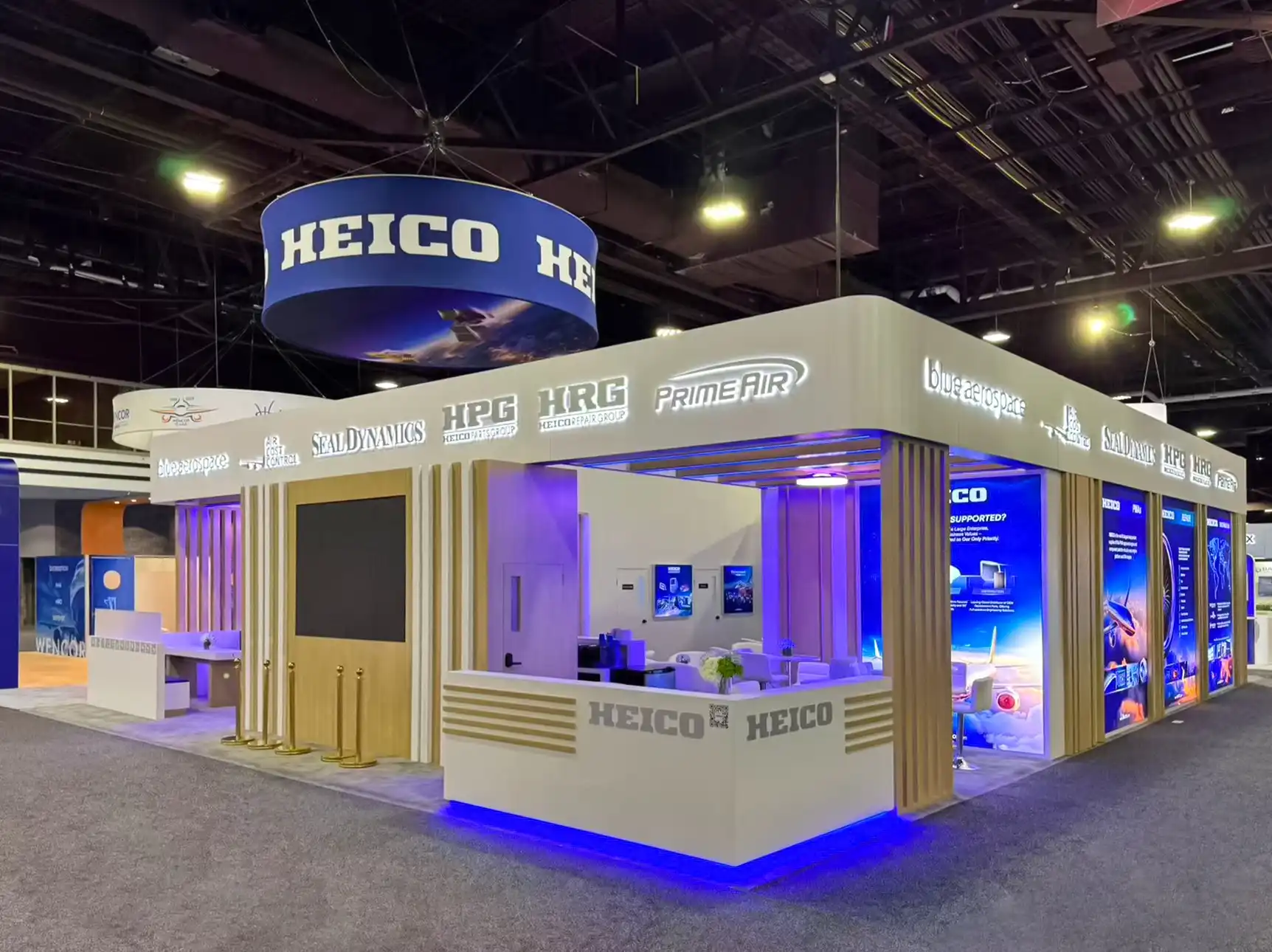
For settings with a lot of SKUs, modular exhibition systems offer the structural freedom needed. These systems use standard aluminium profiles, usually 60mm or 80mm designed frames, that connect with tool-less screws, making it easy to put together and take apart quickly. Because these materials are strong for their weight, they can hold heavy glass shelves, integrated LED lighting displays, and digital monitors without the structure bowing or safety issues.
You can choose from different finishes (anodized or powder-coated), add graphics (tension fabric SEG systems), and add additional mounting points for things like product cases, literature racks, and AV equipment. Scalability of modular designs lets a 10x10 setup easily grow into a 10x20 or island booth as business needs change. This protects the initial investment and keeps the brand consistent across multiple shows.
Core Design Steps: Zoning, Grouping, and Lighting
Strategic zoning, or splitting the space into useful areas that serve different purposes, is the first step in setting up a booth that can hold a lot of items. A normal layout might set aside 40% of the floor space for areas that show off products, 30% for areas where people can try out or demonstrate the products, 20% for areas for meetings or consultations, and 10% for storage and staff operations. Within display zones, putting SKUs together by category, price point, or target audience makes it easy to find what you're looking for.
Task lighting (focused spots with high CRI values above 90) makes sure that cosmetics have accurate colour rendering, and ambient lighting (diffused LED screens at 4000K–5000K) keeps things visible without casting sharp shadows. Putting accent lighting on the main goods or promotional signs makes them stand out and sets the visual order. This multi-level method carefully directs visitors' attention, making them more interested in high-priority things while still allowing full catalogue access.
Quantified Benefits of Modern Design Approaches
A well-designed booth has quantifiable effects that go beyond how it looks. Research from trade shows shows that booths with modular systems and strategic lighting have 35–50% longer average guest stay times than static, poorly lit booths. Lead quality goes up because interested users choose to buy based on how clearly products are shown and how easy it is to browse. When intuitive plans cut down on the time spent directing traffic and finding goods, staff work more efficiently.
Post-show polls constantly show that people who visited well-organized and visually appealing booths were more likely to remember the brand. These benefits are especially important for business-to-business buyers at Cosmoprof. Marketing managers looking for reliable suppliers, brand directors looking at possible partnerships, and operations teams checking out vendors' skills all judge a booth's professionalism and ease of access to products.
Key Procurement Considerations for Ordering Custom Exhibition Structures
Choosing the right booth service and purchasing plan has a big effect on both the costs of the show and its success in the long run. When making this choice, budget limits, complicated logistics, and strategic adaptability must all be taken into account. These are all very important issues for corporate marketing managers, startup founders, and sales directors getting ready for big shows like Cosmoprof North America.
Rental Versus Purchase Decisions
Booth rental requires less starting capital and doesn't require storage between events, which makes it appealing for businesses that are trying new markets or going to shows less often. Rental deals usually include transport, setup, and takedown services, which makes it easier to coordinate on-site. However, the costs for each event add up over several shows, and the only way to customise may be to make changes to the graphics rather than the structure.
It costs more up front to buy a custom booth set up for exhibition, but you have full control over the design, your brand will be consistent across multiple places, and you'll pay less per show over the course of three to five years. The break-even point usually happens after four to six big shows. This means that buying is better for busy exhibitors with stable product lines and known show plans. Hybrid models, in which key structure elements are bought and extra parts are rented, strike a balance between cost control and freedom.
Logistical Challenges and Budget Alignment
Exhibitors from other countries and states have to deal with special problems when they come to Las Vegas trade shows. Shipping costs for booth supplies, clearing customs for international businesses, and drayage fees at the convention centre all have a big effect on the overall budget for an exhibition. These costs can be cut by a lot if you plan ahead and work with local Las Vegas sources. Custom fabrication takes between 6 and 12 weeks, depending on how complicated the job is, so display teams need to finish their ideas well before the shows.
Aligning the budget means keeping track of more than just the cost of building the booth. It also includes the costs of printing logos, calling for power service, connecting to the internet, renting furniture, and paying people to set up and take down the booth. Experienced exhibitors set aside 15 to 20 percent of their total booth funds in case changes need to be made at the last minute or the place has special requirements. Budget overruns and last-minute shocks can be avoided by being clear with suppliers about all cost factors.
Evaluating Supplier Capabilities and After-Sales Support
Price isn't the only thing that matters when choosing a supplier; professional skill, dependability, and service quality are also important. Portfolio diversity (can they show experience with similar SKU densities and industry verticals?) is one of the most important things that buyers look at. Other things that buyers look at are material options (aluminium, steel, eco-friendly substrates, fire-retardant fabrics meeting NFPA 701 standards), and value-added services like 3D rendering, graphic design, and on-site project management.
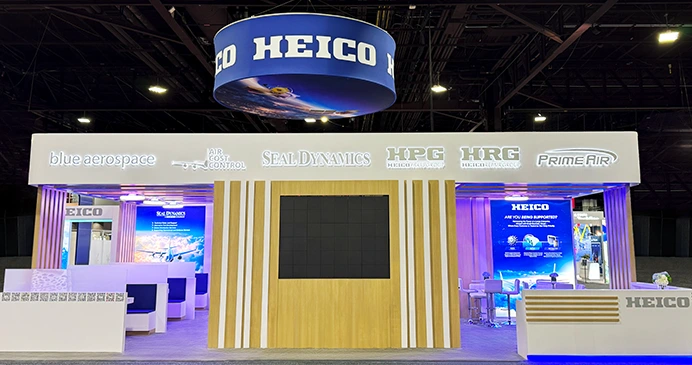
References from past clients can help you see how well you meet deadlines and solve problems when you're under a lot of stress. When booth changes need to be made between shows or when storage and repair services are needed, after-sales help is very important. Companies like HR Exhibits Service, Inc., which is based in Las Vegas and has a factory, offer clear benefits for Cosmoprof exhibitors: local knowledge avoids shipping delays; on-site teams can handle last-minute changes; and full service packages, spanning from the initial idea to activation on the show floor, make project coordination easier for busy marketing and operations teams.
Effective Traffic Attraction and Branding Tactics for Small Yet Impactful Booths
You need to be creative and plan ahead to get regular foot traffic and build brand trust in a small exhibition area. At Cosmoprof North America and other events like it, where hundreds of beauty brands are competing for buyers' attention, it's important to stand out through visual effect and interactive experiences.
Dynamic Lighting and Interactive Display Technologies
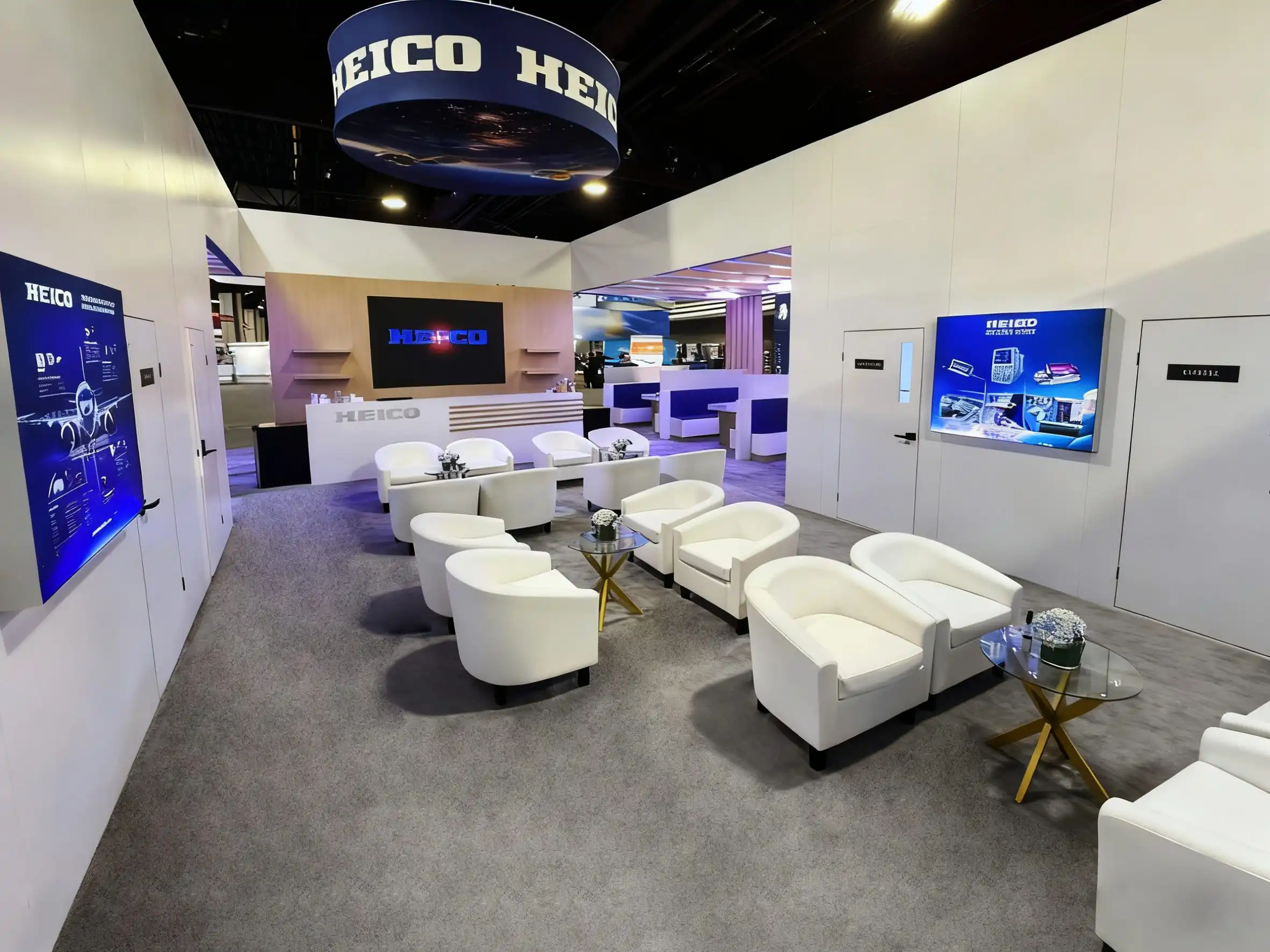
Lighting is both necessary for functionality and a great way to get people's attention in busy show buildings. Programmable LED arrays that change colour temperature or strength based on time of day or product focus are used in dynamic lighting systems. These systems make the lighting interesting to look at, which draws people in from the hallways. Visitors can look at all of your more than 200 SKUs without having to touch each one on interactive displays, such as tablet booths with digital catalogues.
Augmented reality (AR) apps make it possible to virtually try on clothes or show off products that would not be possible in real life. These technologies are especially appealing to younger procurement workers and brand managers who are comfortable with digital tools. They also create material for social media because attendees can take pictures and share their unique experiences. Depending on how complicated they are, interactive features usually cost between 2,000and2,000and8,000. They pay for themselves in increased attention duration and lead capture rates within a well-designed booth set up for exhibition.
Cohesive Branding Elements and Material Choices
Brand uniformity across all booth elements, from the finishes on the structure to the advertising materials, helps the company stand out and looks professional. Colour choices should be in line with the company's brand standards, taking into account things like lighting and the style of booths nearby. The materials used show what the brand stands for. For example, high-gloss laminates and gold details show that the product is high-end, while natural wood tones and recycled substrates show that the product is environmentally friendly.
Tension cloth graphics with a smooth SEG (silicone edge graphics) fitment give you bright, wrinkle-free backgrounds that make your brand look better. The fonts, placement of logos, and order of messages should all be the same as in other marketing materials. This will make brand experiences uniform across digital, printed, and real touchpoints. In polls done after the show, people who saw well-branded booths were 40% more likely to remember the brand than people who saw generic or uneven displays.
Measurement Strategies for Post-Event ROI Analysis
Tracking how well a booth does lets you make changes for future shows based on data. Simple ways include keeping track of how many business cards are collected, scanning badges, and giving out free samples of products. More advanced methods use heat mapping software to record how visitors move around the booth and find areas that get a lot of attention and areas that don't get much attention. Asking people how they heard about your booth and what drew them to it in post-show polls gives you meaningful information about how well your marketing worked.
CRM connection allows marketing teams to track lead development from original booth contact through sales conversion, determining true show ROI. Comparing data across multiple shows helps figure out which strategies worked well enough to be used again and which ones didn't work well enough and need to be changed. With this evidence-based method, going to an exhibition goes from being a risky marketing spend to a measurable investment in growing your business.
Installation and Logistics Tips for a Seamless Cosmoprof Exhibition Experience
Perfect booth activity needs careful planning, following the rules, and working together with many people. It gets harder to keep track of more than 200 SKUs, because each one needs to be placed correctly and has to be safe.
Detailed Assembly and Coordination Checklist
A detailed project schedule is the first step to a successful booth placement that starts weeks before the show opens. This list should include making sure that all advance orders are confirmed (for example, for electricity, internet, and furniture rental), keeping track of shipments of booth materials and goods, and working with official show companies to arrange for labour and drayage. On-site assembly usually happens during a short installation window of one to three days, during which hundreds of exhibitors fight for limited resources like forklifts and electricity teams.
Having detailed assembly plans, parts that are already labelled, and installation teams with a lot of experience all help cut down on setup time and mistakes. Product arrangement should be based on plans that were made ahead of time and take into account things like staff access, guest flow, and sightlines. By talking with nearby vendors about shared limits and following the venue's rules about not blocking aisles, you can keep good relationships and avoid getting fined. Before the show starts, there should be one last tour to make sure that all the lights work, the pictures are properly stretched, and there are no blocks in the emergency exits.
Compliance with Venue Regulations and Safety Standards
Like all big convention centres, the Mandalay Bay Convention Centre has strict safety rules about how to put out fires, distribute electricity, keep the building stable, and make sure everyone can get to it. Fire retardancy standards (NFPA 701 or an equivalent certification) must be met by all booth materials, and proof must be provided for review. Electrical loads must stay within the circuit's capacity, which is usually between 15 and 20 amps for normal booth packages. This means that the total draw from lights, monitors, and demo equipment must be calculated ahead of time.
Height limits depend on the type of booth. For example, the back walls of a straight booth can be no more than 12 feet high, while the walls of an island booth can be 16 to 20 feet high with the right engineering documentation. ADA compliance requires aisles to be at least a certain width and features to be easy for disabled guests to use. If you know about these requirements during the planning phase, you won't have to make expensive changes at the last minute or, even worse, have to take out parts that don't meet the standards during show hours. Compliance risks are greatly reduced when you work with local providers who are experienced and know what the place needs.
Storage and Transport Logistics Between Events
When booth materials aren't being used, they need to be stored properly to keep them in good shape and protect their investment value. Climate-controlled storage keeps wooden parts from twisting and keeps printed materials from breaking down. Inventory management systems keep track of all the parts, like frames, links, graphics, and extras, to make sure nothing gets lost between shows. Shipping costs and the amount of stuff that needs to be shipped go down with modular systems that are made to pack things efficiently.
Custom boxes that can be used again and again protect fragile items during transport and make it easy to see what's inside. Companies that present at a lot of shows each year should form storage relationships near those venues. For example, keeping booth set up for exhibition inventory in a Las Vegas facility while attending a lot of local shows (like Cosmoprof, CES, and CONEXPO) saves money on shipping costs that would otherwise be incurred. Professional exhibition service providers often include storage options as part of their full service packages. This makes planning easier for busy marketing teams that have more than just coordinating exhibitions to handle.
Preparing for Major Beauty and Food Industry Trade Shows
In addition to Cosmoprof North America Las Vegas (July 13–15, 2026), participants in related fields should think about attending events that run at the same time and bring in similar crowds. This will give them more market exposure. The Institute of Food Technologists is putting on the IFT FIRST Annual Meeting & Food Expo from July 12–15, 2026, in Chicago, IL. This event is for food scientists, product developers, and procurement professionals who are looking for new ingredients, packaging solutions, and ways to make things. Companies that make cosmetic products, eco-friendly packaging, or materials that can be used in different industries can benefit from showing at both shows. By sharing booth elements and coordinating campaign message, they can get the most out of their marketing dollars.
When the beauty industry and food science come together, especially in nutricosmetics, ingestible beauty products, and natural ingredient sources, it opens up strategic possibilities for brands that are there. At both cosmetics and food technology shows, booth designs that stress clean formulas, openness, and scientific proof work well. Exhibitors who want to run campaigns at more than one show should work with exhibition partners that can support events in a variety of places and types of venues. This will make sure that the brand is presented consistently while also meeting the practical needs of each location.
Companies like HR Exhibits Service, Inc. have the knowledge and network tools to help shows in a wide range of industries. Professional booth design and execution are always important for success, no matter what kind of brand you have—beauty, food innovation, medical products, or manufacturing technologies. Experienced show partners are different from generic contractors because they can change booth layouts to fit different groups and follow the rules of each place.
Conclusion
It takes careful planning, careful supplier selection, and careful performance to show more than 200 SKUs at Cosmoprof Las Vegas in a small area. Smart product zoning, modular booth set up for exhibition, and moving visual elements can turn limited space into competitive benefits that get people interested and generate leads. When renting vs. buying a booth, the skills of the provider, and the planning of logistics all play a direct role in both the immediate performance of the show and the long-term return on investment (ROI) from the exhibition.
As beauty industry trade shows move towards more engaging and data-driven experiences, brands that spend money on professional stand design and full service support will be set up for long-term success in the market. The upcoming 2026 Cosmoprof North America event gives you a chance to use these tactics and improve your trade show appearance.
FAQ
Q1: What booth size works best for displaying 200+ SKUs at Cosmoprof?
A: When built with vertical storage, flexible shelves, and smart product zoning, a 10x20 inline booth or 20x20 island gives you enough room for large SKU displays. Smaller 10x10 spots can work, but they need to be used more vertically and certain SKUs need to be given more attention.
Q2: How much does custom booth fabrication cost for high SKU exhibitions?
A: Depending on size, materials, technology integration, and visual complexity, custom booth construction for full product displays usually costs between $15,000 and $75,000. Because they can be used again and again and can be expanded to fit more shows, modular systems are more valuable in the long run.
Q3: What lead time should I allow for booth design and production?
A: Allow at least 10 to 14 weeks from the first idea to the installation on the show floor. This schedule includes iterations of the design, buying materials, making the product, sending it, and a cushion in case changes need to be made at the last minute. This plan is sped up for rush tasks, but they usually cost more.
Q4: How can I reduce shipping costs for out-of-state exhibitions?
A: Working with manufacturing and storage companies in Las Vegas means that Nevada shows don't have to worry about sending items from far away. Transportation costs are cut by a lot when you use shipping crates that can be used more than once, modular designs that are easy to pack, and consolidated freight plans with other vendors.
Partner with HR Exhibits Service, Inc. for Your Next Cosmoprof Exhibition
More than just design skills are needed to get a booth set up for exhibition; you also need to know the area, be good at coordinating logistics, and always be on time. This is everything that HR Exhibits Service, Inc. can do for exhibitors getting ready for Cosmoprof North America, IFT FIRST, and other big trade shows across the US. Our workshop in Las Vegas and our experienced installation teams are there to help you through every step of the show process, from coming up with the first idea to taking down the booth at the end.
We know the unique stresses that marketing managers, sales directors, and buying professionals who are in charge of making trade shows successful are under. No matter if you're the founder of a startup trying to make the most of your limited budget or the brand manager for a big company planning large-scale activations, our full service packages can be tailored to your needs.
Because we are a trusted booth set up for exhibition maker, we offer modular, scalable solutions that can hold large product catalogues while keeping the brand's visual clarity and consistency. HR Exhibits Service, Inc. can be reached at info@hrexhibits.com to talk about your future exhibition needs and find out how our local presence in Las Vegas can make planning easier, cut costs, and boost the impact of your brand at trade shows.
References
1. Center for Exhibition Industry Research. (2024). "Booth Design Impact on Visitor Engagement: A Quantitative Analysis of Dwell Time and Lead Quality Metrics."
2. Institute of Food Technologists. (2025). "IFT FIRST 2026: Exhibitor Planning Guide and Technical Specifications Manual."
3. Cosmoprof North America. (2025). "2026 Exhibitor Services Manual: Mandalay Bay Convention Center Technical Requirements and Regulations."
4. National Fire Protection Association. (2023). "NFPA 701: Standard Methods of Fire Tests for Flame Propagation of Textiles and Films - Exhibition Industry Applications."
5. Trade Show Executive Magazine. (2024). "High-Density Product Display: Strategies for Small-Footprint Booths in Competitive Exhibition Environments."
6. Exhibition Services & Contractors Association. (2024). "Best Practices for Modular Booth Design: Engineering Standards, Material Specifications, and Sustainability Guidelines."
Embark on Your Journey to Exceptional Exhibitions! Contact HR Exhibits Today to Transform Your Vision into Global Success.
HR Exhibits Service, Inc.