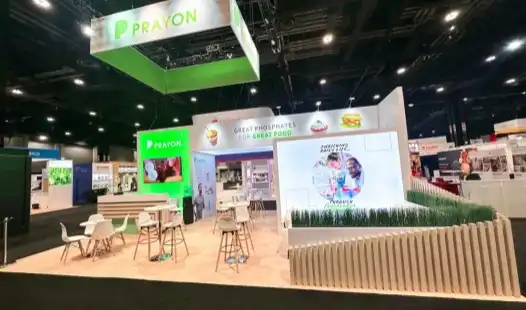
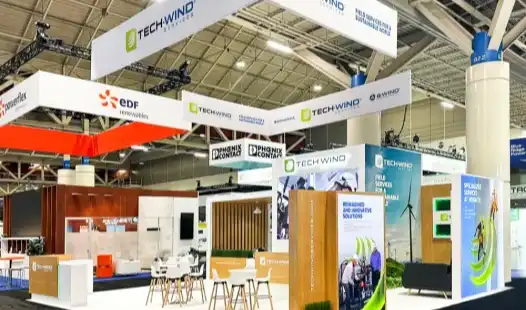
5 tips for making your trade show exhibit stand out
To stand out at trade shows with a lot of people, you need to plan ahead and do everything perfectly. An effective trade show exhibit combines eye-catching design, useful plans, and interesting guest experiences to turn walkers into qualified leads. These tried-and-true tips will help your booth get noticed at the IFT FIRST Annual Meeting & Food Expo in Chicago or Cosmoprof North America in Las Vegas in July 2026. They will also help you make real connections with people and show a clear return on investment (ROI). We've seen directly how these core principles can help brands in the tech, manufacturing, medical, and consumer goods industries improve their trade show presence.
Tip 1 - Design an Engaging and Functional Booth Layout
Understand Your Audience and Set Clear Objectives
Take some time to think about who will be walking by your booth before you draw your first design idea. When they work for big companies, marketing managers need professional show areas with private meeting rooms. Startup leaders going to their first big show need solutions that are both cheap and effective at building their brands. Medical sales directors like practical layouts that split areas for showing off products from areas for consultations. Every design choice that comes after setting clear goals—like getting 200 approved leads, setting up 50 in-person meetings, or releasing a new line of products—is based on those goals.
Incorporate Modern Materials and Technology Integration
The style of trade show exhibit has changed a lot over the years. The strength-to-weight ratios of modular aluminum extrusions and honeycomb-core panels are very high. This lowers the cost of drayage while still holding heavy computers and product displays. Procurement workers who care about the company's sustainability goals like eco-friendly products. Static displays can be turned into engaging brand experiences with the help of AR demos, interactive screens, and virtual product trips. At Cosmoprof North America Las Vegas in July 2026, beauty and health brands will show off new products and technologies through touchscreens and live product samples. These interactive displays will create memorable interactions that lead to sales after the show.
Balance Aesthetics with Practical Functionality
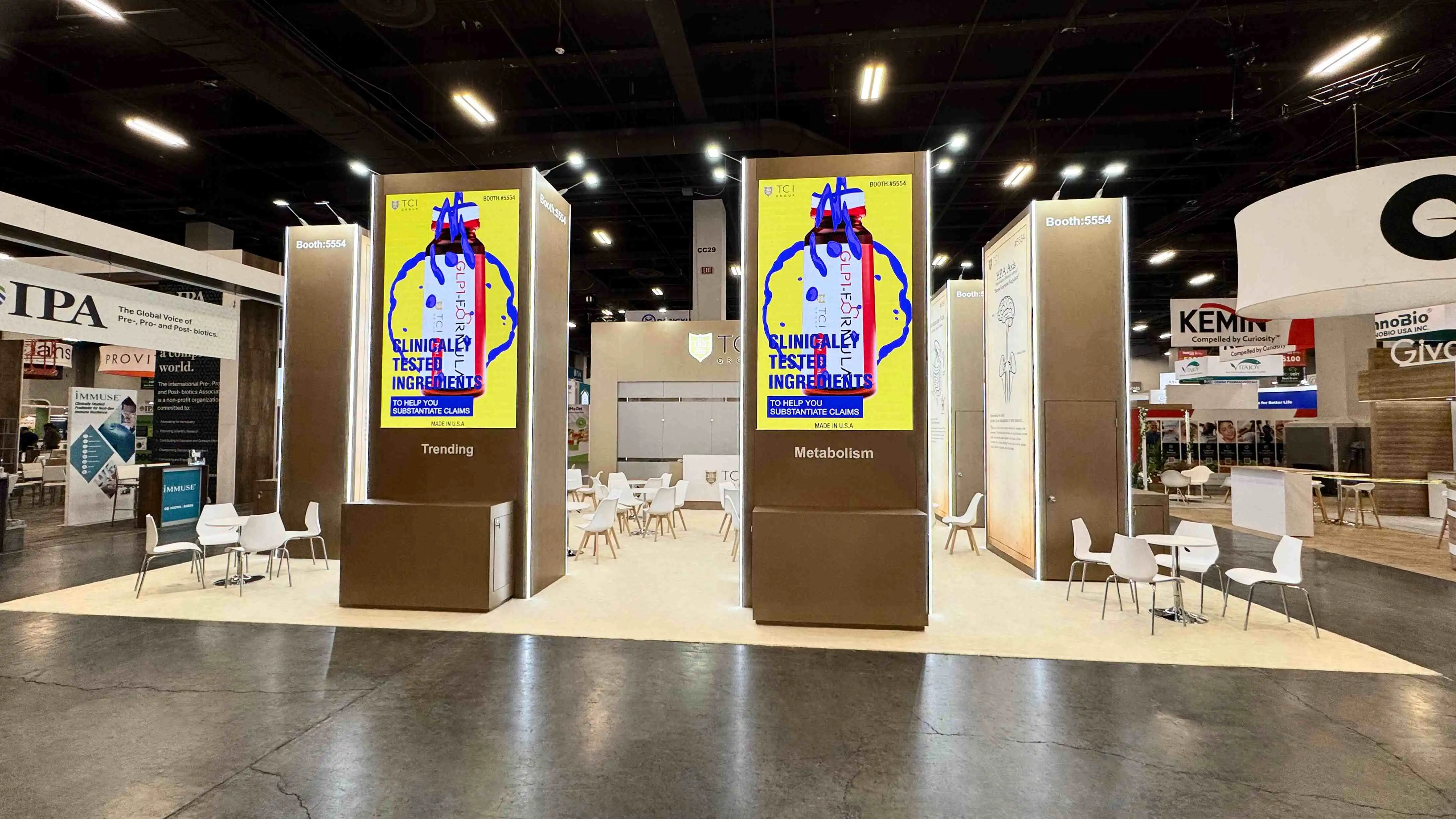
A booth that looks great but doesn't work right is a waste of money. The plan of your show should make it easy for people to move from areas with public attractions to areas with semi-private demonstrations and finally to areas set aside for meetings. Raised flooring systems hide the cables that connect AV devices and keep the view clear. Using the right lighting, which includes both general lighting and directed spotlights on important items, makes things look better without making computers glare. Meeting zones with comfortable seats make it easier to have longer talks with qualified prospects. Putting product displays at eye level is a smart way to get people to pay attention.
When we create booths for clients who want to show their products at events like the IFT FIRST Annual Meeting & Food Expo in Chicago (July 12–15, 2026), we have to make sure that strict health department rules are met while also making the stands look good. Temperature-controlled display areas, clean surfaces, and areas for handling food safely are all built into booth designs that are appealing to people in the food business.
Tip 2 - Strategically Attract and Engage Visitors
Create Compelling Visual Magnets
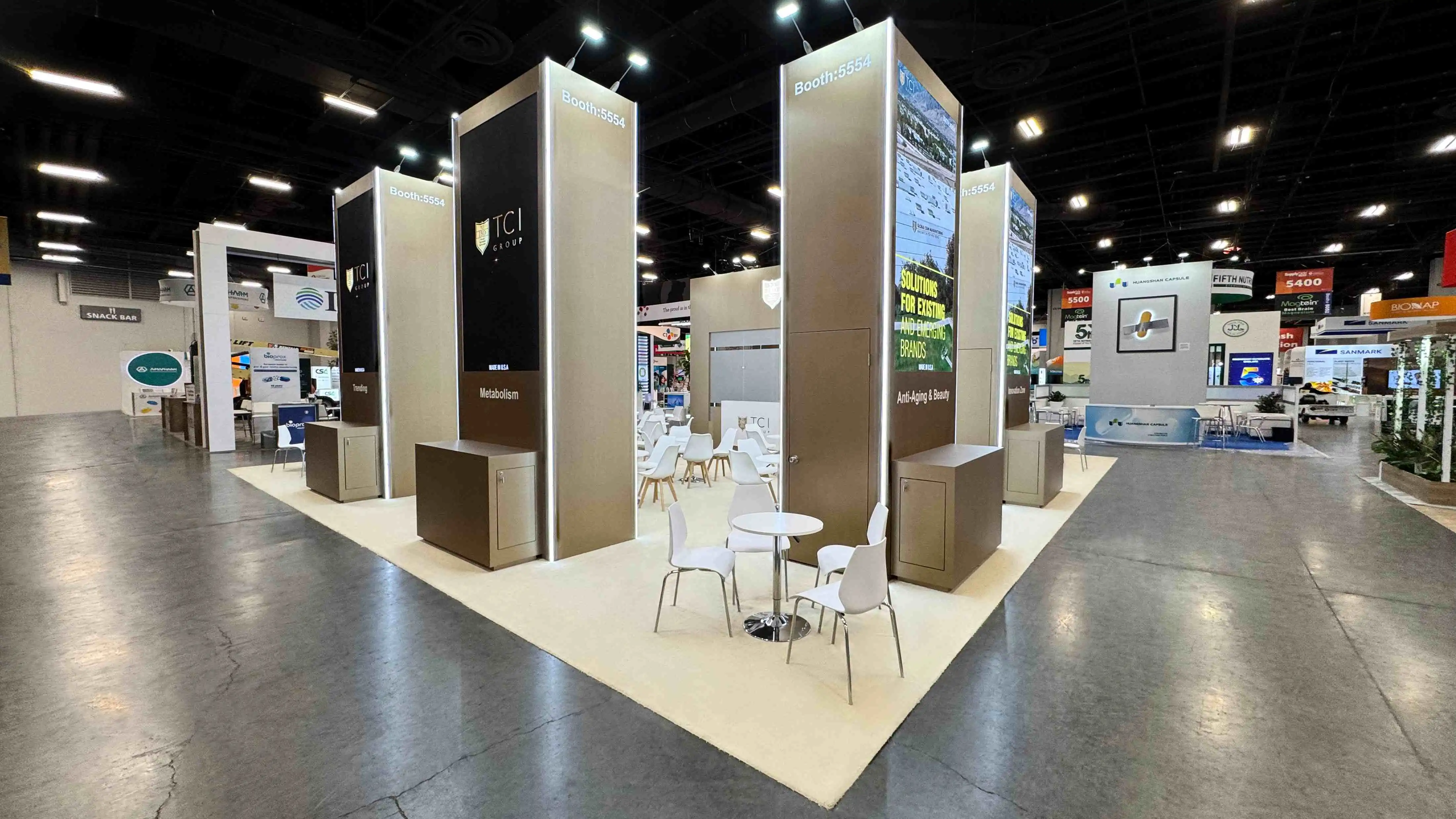
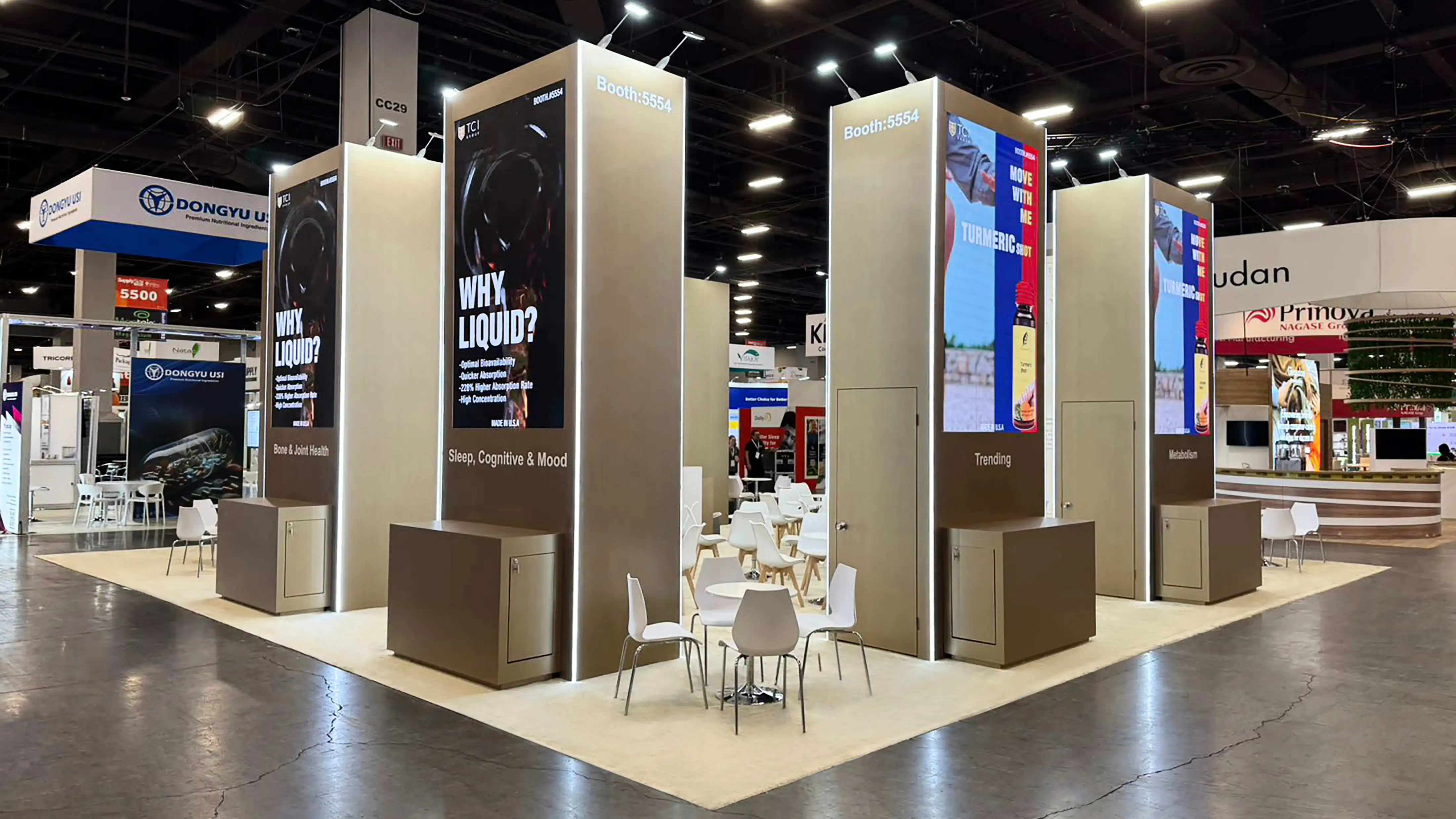
There are hundreds of other booths that are trying to get people's attention. Graphics that stand out with bright brand colors and clear text stop people in their tracks. With LED strips, spotlights, and backlit logos, professional lighting design makes your area noticeable from across the show hall. Live product demos bring in a lot of people, which brings in more visitors through social proof. People naturally pay attention to things that are moving, so use rotating displays, video walls that show how a product can be used, or live making examples when you can.
Train Your Booth Staff for Consultative Engagement
Even the best booth design is useless if it doesn't have skilled workers. As a team, members should learn how to sell in a way that focuses on knowing what the person wants instead of making a hard sell. Soft brand message builds trust. Instead of describing general features, talk about how your solutions solve problems in specific industries. If a procurement manager is talking about buying something and an engineer is just looking for general information, staff should know the difference and change their talks accordingly. Role-playing games before the show boost the team's confidence and make them more consistent.
Execute Pre-Show Marketing Campaigns
Promoting your trade show exhibit starts weeks before the event. Targeted email ads to registered visitors let them know you'll be there, where your booth will be, and about any special presentations or new products. Posts on social media build excitement and let prospects set up talks ahead of time. Reaching out to important people in your target businesses on LinkedIn will make sure that your booth is on their list of places they must see. When we helped customers at earlier Las Vegas exhibitions, 60–70% of the available time slots were taken by pre-scheduled talks. This made lead quality and conversion rates much higher.
Tip 3 - Optimize Exhibit Setup and Logistics
Plan Assembly and Coordination in Detail
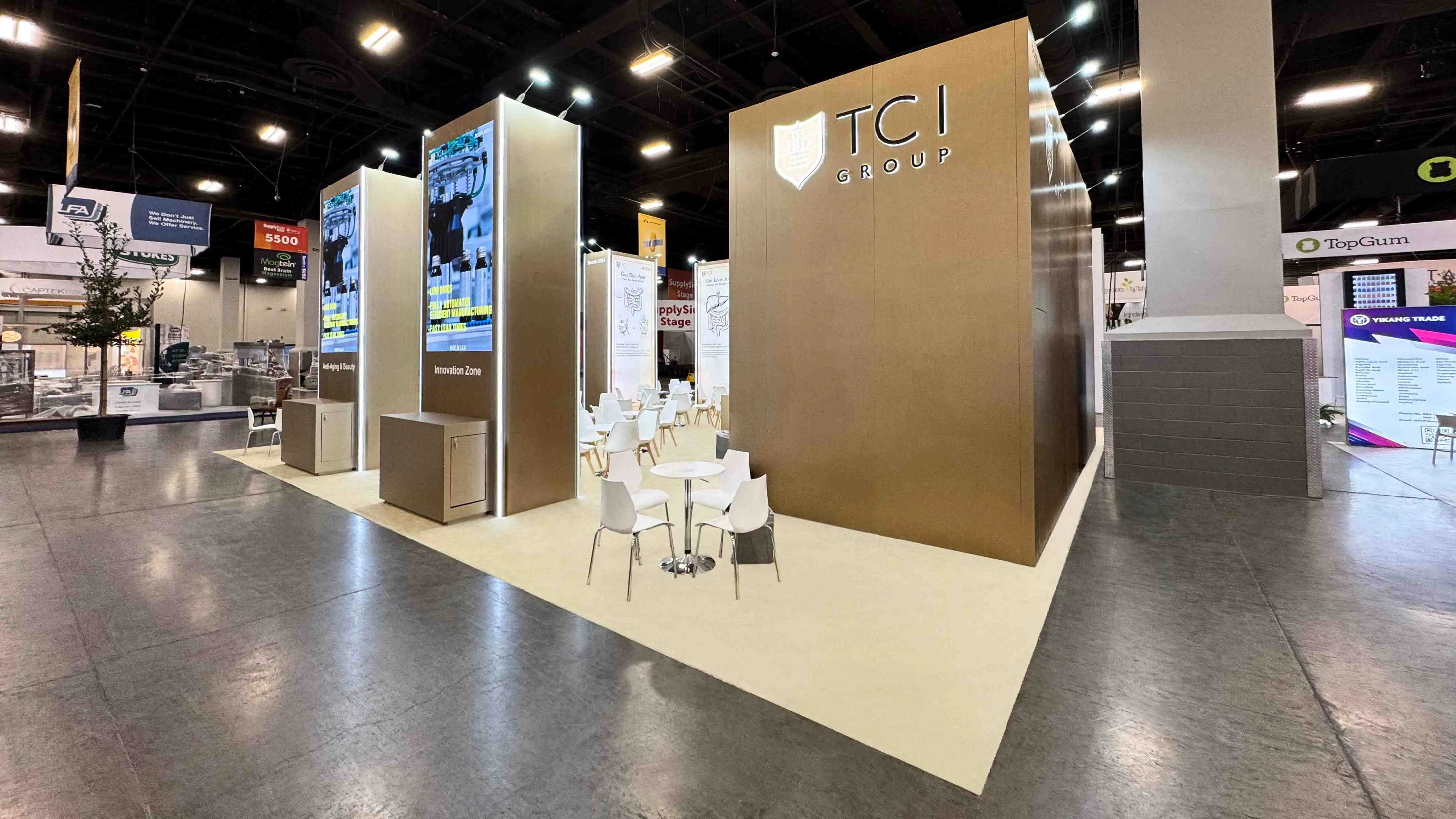
Planning ahead of time saves money and avoids chaos at the last minute. Clear pictures and step-by-step instructions make sure that your booth can be put together easily, even if the people working on it aren't from the same company. Talking to local electricians, builders, and AV techs weeks ahead of time makes sure they are available and spells out the project's goals. Knowing the rules for each place, like load-in times, height limits, and sign-hanging requirements, will help you avoid costly violations or delays. Our Las Vegas site offers local help that takes care of these issues for out-of-state and foreign exhibitors, making the setup and takedown processes go smoothly.
Evaluate Rental Versus Purchase Options
Cost control and company effect are always being weighed by procurement teams. Companies that go to a lot of different shows throughout the year can save money on storage costs and make their displays fit different settings by renting them. Buying makes sense for brands that go to the same big shows every year and have the same branding needs. This way, the costs are spread out over more than one use. A company that makes medical devices might rent a 10x20 inline booth for smaller area events and own a special 20x20 island booth for their biggest industry show every year. To make the best use of their funds, we help our clients compare the total cost of owning vs. rental situations.
Adopt Sustainable Practices and Materials
More and more, corporate duty affects choices about what to buy. Sustainable trade show exhibit materials, like biodegradable prints, recycled metal, and LED lighting that uses little power, are better for the earth and show that a brand cares. Modular designs make exhibits last longer because they can be rearranged instead of being rebuilt from scratch for each show. Many companies have made public promises to be more environmentally friendly, and these practices are in line with those. They also help create real stories that marketing teams can share before, during, and after shows.
Tip 4 - Implement Technology to Enhance Visitor Experience
Utilize Interactive Digital Displays
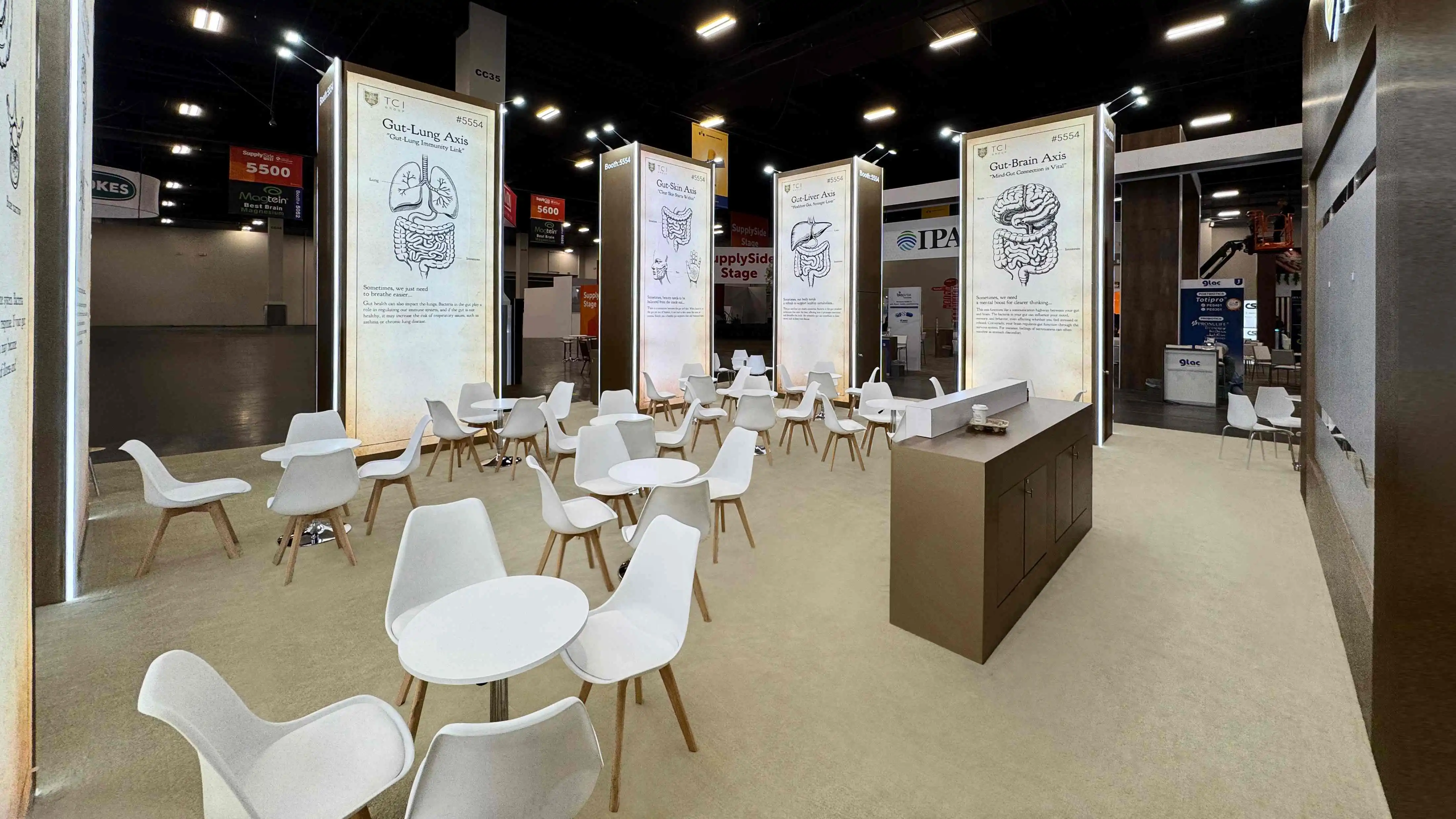
Interactive technology makes things that are hard to understand. Touchscreens let guests look at product specs, watch movies of how to use apps, and change settings right away. Virtual reality demos put potential customers in real-life working settings. For example, a company that makes building equipment can show how their machines work on job sites without having to move real machines around. These technology advances are especially helpful in technical fields where complicated products might make it hard for booth guests to talk to people for short periods of time.
Streamline Data Collection and Integration
Collecting trade show exhibit leads effectively can transform booth visitors into a sales pipeline. Badge readers collect guest contact information and company information right away, so mistakes that happen when data is entered by hand are avoided. Mobile apps let booth staff tag leads with qualification criteria, make notes about specific hobbies, and set up follow-up tasks right away. When marketing teams connect to CRM systems, they can start custom nurture efforts just hours after the show ends. When you compare this smooth process to the old way of collecting business cards, which often leads to general follow-up that is late, the conversion rate is much higher.
Enable Post-Show Follow-Up Systems
Technology is useful in more places than just the show floor. When a visitor does certain things, like getting a product specification sheet, watching a demonstration video, or asking for a quote, automated email loops send them information that is relevant to their stage of the buying process. CRM screens let sales teams see which leads are the most interested, so they can schedule follow-up calls more quickly. Analytics show which parts of the booth got the most attention, which helps designers make better future exhibits. This method, which is based on data, turns trade shows from one-time events into part of broader marketing plans.
Tip 5 - Follow Best Practices for Post-Show Engagement and ROI Measurement
Execute Timely and Personalized Follow-Up
Follow-up is where the wealth lives. Response rates are much higher when you contact prospects within 48 hours, while your brand is still fresh in their minds. Personalized notes that refer to specific talks, like "Thanks for talking about your material handling problems at our booth," show that you are interested, as opposed to generic mass emails. Segment leads based on amount of qualification and stage of the buying process, and give each group the right information. Hot leads who are ready to make a proposal are contacted right away by a salesperson, while early-stage researchers are put into longer nurture loops with teaching material.
Measure Success Through Key Performance Indicators
To figure out trade show exhibit ROI, you need to keep track of certain measures. Make sure you have clear standards for qualifying leads before you start counting them so that your numbers are the same from one event to the next. Keep track of the meetings that were set up at the show and the rates at which leads turned into opportunities and deals were closed. Find the cost per lead and the cost per purchase, and then compare these to the costs of other marketing platforms. The number of product inquiries and test requests show how much interest there is. Some measures show up months later, after long B2B sales cycles are over. Set up tracking tools that can handle this delayed attribution.
Collect Actionable Feedback for Continuous Improvement
By asking both guests and booth staff for feedback, you can find ways to make things better. Surveys given after the show ask viewers what drew them in, what information was most useful, and what could be made better. During booth staff debriefings, practical insights are gained, such as which messages were most effective, which product displays got the most attention, and which problems with logistics came up. Patterns and trends can be seen by comparing data from different shows. This attitude of always getting better helps brands gradually improve their trade show plans, so each show does better than the last.
Thousands of people who work in the food business go to big events like the IFT FIRST Annual Meeting & Food Expo to find new ways to make, package, and sell food. When exhibitors follow these five strategic tips, they regularly do better than their rivals. They get more mindshare and better leads that turn into long-term business relationships.
Conclusion
To make a trade show exhibit stand out, you need to plan it strategically, use techniques to get people interested, make sure the logistics are perfect, incorporate technology, and follow up with visitors after the show. These five tips will help you succeed at a trade show, whether you're a corporate marketing manager in charge of a big custom booth or the founder of a new company trying to make the most of your budget while still making an impact. New materials, technologies, and guest expectations are always changing the show scene, but some things stay the same: know your audience, give them something of value, and carefully measure results. As you get ready for future trade shows, using these tactics will help your brand stand out and give you measurable business results.
FAQ
What makes a trade show booth design effective?
Effective booth designs strike a mix between how the booth looks and how it works to help you reach your goals. Professional lighting and images that stand out draw attention from all over the exhibition hall. Careful planning of the space makes separate areas for showing products, giving demos, and holding private meetings. Using new materials like flexible metal extrusions cuts down on the time it takes to set up and the cost of shipping. Using technology like interactive screens, AR demos, and digital displays can turn boring watching into interesting experiences. The best designs show that you really know what your target audience wants and needs, and they stay true to your brand across all touchpoints.
How can I maximize ROI from trade show participation?
Planning ahead is needed before, during, and after the event to get the best return on investment (ROI). Targeted emails, social media campaigns, and planned meetings are all examples of pre-show marketing that will make sure qualified prospects come to your booth. Visitors become qualified leads when trained staff use conversational selling methods. Data collection tools that work well keep track of contact information and details about interactions. Follow-up that is timely and specific within 48 hours keeps the progress going. Key performance indicators (KPIs) like approved leads, meetings scheduled, conversion rates, and cost per acquisition help you figure out what worked and what needs to be changed in future plans. By working with experienced exhibit service providers who know about planning, materials, and the needs of the place, you can avoid making mistakes that cost a lot of money and hurt your return on investment (ROI).
Should I rent or purchase my trade show exhibit?
The choice you make will rely on how often you want to show, how consistent you need your branding to be, and your budget. Renting gives companies that go to different shows with different booth sizes and layouts more freedom because they don't have to pay for storage or upkeep. Buying makes financial sense for brands that go to the same big industry shows every year and keep their branding uniform, so the original investment can be used for more than one thing. A lot of businesses use a mix of methods, having core named parts and renting modular parts that can be used in different places. When buying teams look at the total cost of ownership, which includes storage, repairs, and shipping, they can make better choices that are in line with marketing goals and budgets.
Ready to Create Your Standout Trade Show Exhibit?
Based in Las Vegas, HR Exhibits Service, Inc. is a full-service company that makes and services trade show exhibit solutions. Our skilled staff helps clients from the tech, industrial, medical, energy, and consumer goods industries with all stages, including coming up with ideas, making the products, organizing logistics, setting them up on-site, and storing them after the show. Our local workshop and hardworking professionals will make sure everything goes smoothly, whether you're showing at the IFT FIRST Annual Meeting & Food Expo in Chicago or Cosmoprof North America in Las Vegas in July 2026. Email us at info@hrexhibits.com to talk about how we can turn your brand's vision into engaging exhibits that bring in qualified leads and improve your position in the market.
References
1. Friedman, S. (2023). Trade Show Excellence: Strategic Planning for Maximum Impact. Business Exhibition Press.
2. Chen, M. & Rodriguez, A. (2024). "Material Innovation in Temporary Structures: Sustainability and Performance in Modern Exhibit Design." Journal of Experiential Marketing, 18(3), 145-162.
3. Thompson, R. (2024). Lead Generation Strategies for B2B Trade Shows. Corporate Marketing Institute.
4. Institute of Food Technologists. (2025). IFT FIRST Exhibitor Guide and Industry Trends Report. Chicago: IFT Publications.
5. Morrison, K. (2023). "Technology Integration in Trade Show Environments: ROI Analysis and Best Practices." Exhibition Management Quarterly, 29(2), 78-94.
6. Professional Convention Management Association. (2024). Logistics and Operations Manual for Trade Show Exhibitors. PCMA Educational Foundation.

Embark on Your Journey to Exceptional Exhibitions! Contact HR Exhibits Today to Transform Your Vision into Global Success.
HR Exhibits Service, Inc.