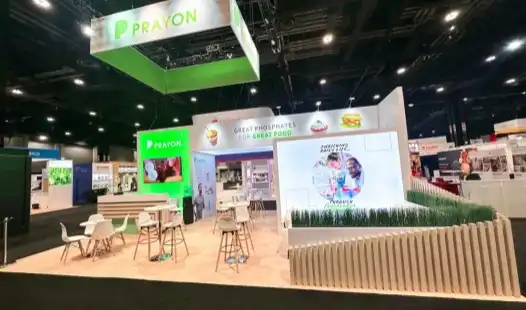
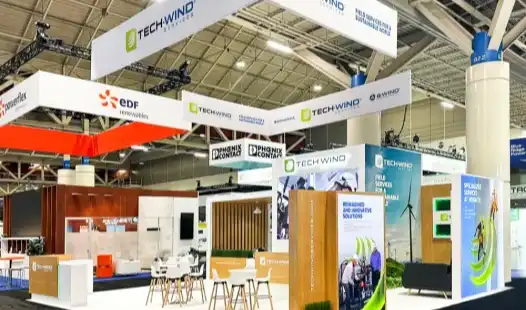
Convention Booth Design Tips for Infocomm Success
Effective convention booth design becomes the key to your marketing success while preparing for Infocomm. By combining visual appeal with practical arrangement to draw in technology decision-makers, strategic booth design turns your display area into a lead-generation powerhouse. Your exhibit design must strike a balance between visitor engagement and brand narrative, whether you're demonstrating AV equipment, digital signage systems, or unified communications platforms. Thousands of audiovisual experts will gather at Infocomm 2026, which is set for June 13–19 in Las Vegas, to assess the newest developments, making your booth presence essential for drawing in customers and generating relevant interactions.
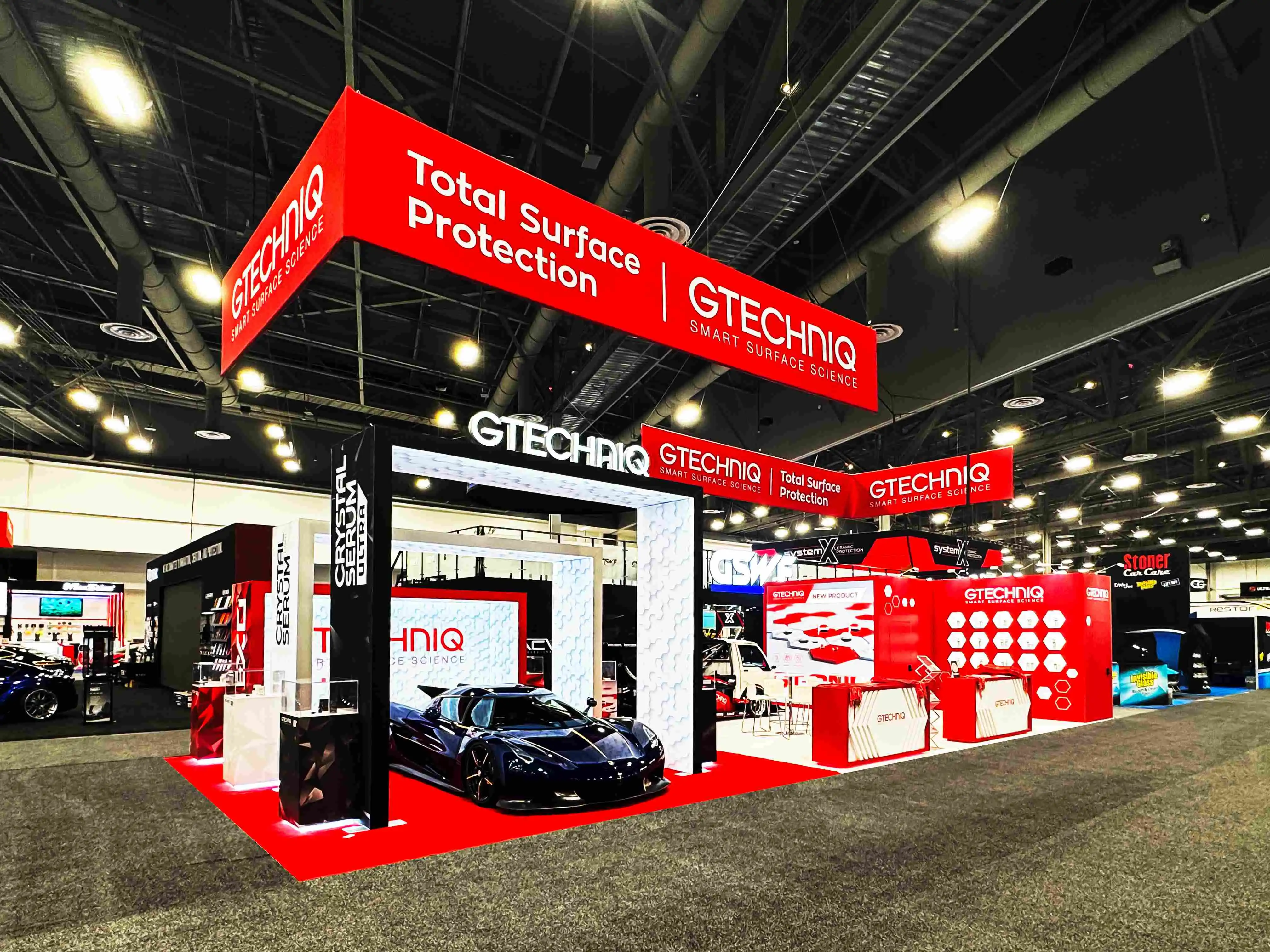
Understanding the Fundamentals of Convention Booth Design
What Sets Infocomm Booth Design Apart?
Specialized display strategies are required for infocomm events, which are quite different from regular trade fairs. The audiovisual and communications technology industries need settings that are suitable for demonstrations and prioritize live product functioning. To operate many screens, sound systems, and interactive technologies at once, your booth need a strong power infrastructure.
Technology exhibitors, in contrast to consumer product presentations, are required to provide semi-private consultation areas where sales teams may have in-depth technical conversations free from background noise. Acoustic damping, cable management systems concealed within flooring constructions, and modular walls that support both open display areas and enclosed conference rooms are among the most effective features of the hundreds of technology exhibits we've created for major Las Vegas venues.
Core Principles That Drive Engagement
Maintaining brand consistency across your show footprint creates instant awareness and enhances your reputation as a professional. Your digital presence and marketing materials should be well complemented by your color schemes, typography, and visual treatments. The concept of progressive engagement is the foundation of visitor-friendly layouts, which go from open entrance points with eye-catching images into deeper product zones and, ultimately, private consultation sections. Digital displays are no longer the only form of technology integration.
Augmented reality for product presentation, interactive touchpoints for data gathering, and real-time social media walls that enhance your presence outside of the actual booth are all features of contemporary exhibitions. With many corporate buyers actively asking eco-conscious designs that reflect their environmental objectives, sustainable materials are now a procurement benefit.
How Strategic Design Influences Procurement Cycles?
In lengthy B2B procurement processes, your booth provides the first physical touchpoint. Medical device makers use the booth quality itself to assess supplier dependability when they visit Infocomm to source display technology. Before starting RFP procedures, procurement teams evaluate operational competence, attention to detail, and financial stability, all of which are indicated by a well-executed show.
81% of trade show participants have purchasing power, and 47% decide what to purchase within three months after the event, according to the Center for Exhibition Industry Research. When design enables effective lead gathering, supports sales discussions with appropriate technological infrastructure, and produces memorable brand experiences that last through protracted procurement processes, strategic booth investments provide quantifiable results.
Step-By-Step Guide to Designing a Winning Convention Booth
Identifying Your Core Design Challenges
The greatest challenge for technology exhibitors at popular events like Infocomm is still overcrowding. Potential leads wander past your 20x20 island booth to rivals with accessible places when demonstration crowds exceed your area. Visitors take an average of 8.3 seconds to decide whether to approach a booth due to unclear messaging, and unclear images don't convey value propositions fast enough. Sales teams trying to demonstrate advanced AV systems without sufficient mounting solutions, power distribution, or network connection are frustrated by inadequate presentation infrastructure.
Procurement managers often underestimate the physical requirements of technology demonstrations, which leads to last-minute rushing for electrical upgrades that raise show service prices by thirty to forty percent. A well-planned convention booth design ensures that these challenges are mitigated, offering clear messaging, functional infrastructure, and the space necessary for successful interactions.
Root Cause Analysis and Prevention
Booth failures are often caused by inadequate planning windows. There is insufficient time for bespoke fabrication, graphic creation, and thorough technical preparation since many businesses just confirm their Infocomm participation 60–90 days prior to show dates. Mistakes in vendor selection happen when businesses give preference to the lowest-bid contractors without checking their technical skills, portfolios, or on-site monitoring procedures.
Brand expectations and physical execution are out of sync when there are communication failures between marketing teams and display builders. Projects that are successful start with comprehensive project briefs that contain estimates of traffic volume, specifications for product demonstrations, space for private meetings, and storage requirements for books, freebies, and personal items.
Strategic Design Principles for Technology Exhibits
Booth layouts become dynamic interaction settings instead of static displays when user-centric thinking is used. Chart the visitor's path from the first point of interest to participation in the demonstration to the conclusion of the lead capture. The reality of varying booth sizes over many exhibitions is addressed with scalable modularity. Modular systems that can be reconfigured from 10x20 inline exhibitions to 30x40 island arrangements without needing completely new structures are the specialty of our Las Vegas fabrication plant. This strategy keeps the design consistent across your show calendar while lowering lifetime display expenditures.
For technology exhibitors at significant conferences, the following design components typically work well:
Visitors are drawn inside by the depth created by Layered Visibility Architecture. Long-sightline visibility is established by perimeter graphics at the highest permitted heights (usually 12–16 feet for island booths). For adjacent aisle traffic, mid-level product displays at a height of six to eight feet provide detail. Interactive stations at ground level encourage active participation. The flat, two-dimensional look that is unable to fight for attention in packed show rooms is avoided by this layering.
Demonstration Theater Concepts set aside 25–30% of the exhibit area for planned presentations that use standing rooms or tiered seating. Technology items need to be explained, and theatrical forms draw audiences in for long stretches of time while also drawing them to the aisles with presenting activities. Raised platform stages with integrated AV racks, wireless presentation systems, and expert lighting that guarantees glare-free product visibility are usually what we request.
A crucial need for technology sales cycles that cannot end on the exhibition floor is met by private meeting infrastructure. Qualified lead conversion is greatly increased by enclosed conference spaces with sound-absorbing walls, cozy chairs, and safe spaces for delicate product talks. For in-depth discussions about prices and technical specification reviews, procurement managers demand secluded areas.
Implementation Checklist for Procurement Teams
Verify booth space agreements and comprehend local cubic space laws. Infocomm's 2026 location, the Las Vegas Convention Center, has stringent regulations for hanging signs and line-of-sight. Set fabrication milestones for your project at 120 days for design approval, 90 days for material procurement, 60 days for graphic finalization, and 30 days for pre-show staging.
Check all demonstration equipment's electrical, internet, and compressed air needs, and include a 20% capacity buffer for unforeseen circumstances. Organize storage options with your display partner. A lot of exhibitors don't realize that 15–20 equipment boxes need safe staging spaces during exhibition hours. Prior to the event, rather than after, choose lead capturing technology that works with your CRM systems. Within two weeks following the show's conclusion, schedule post-event debriefing meetings so that observations are still current and useful.
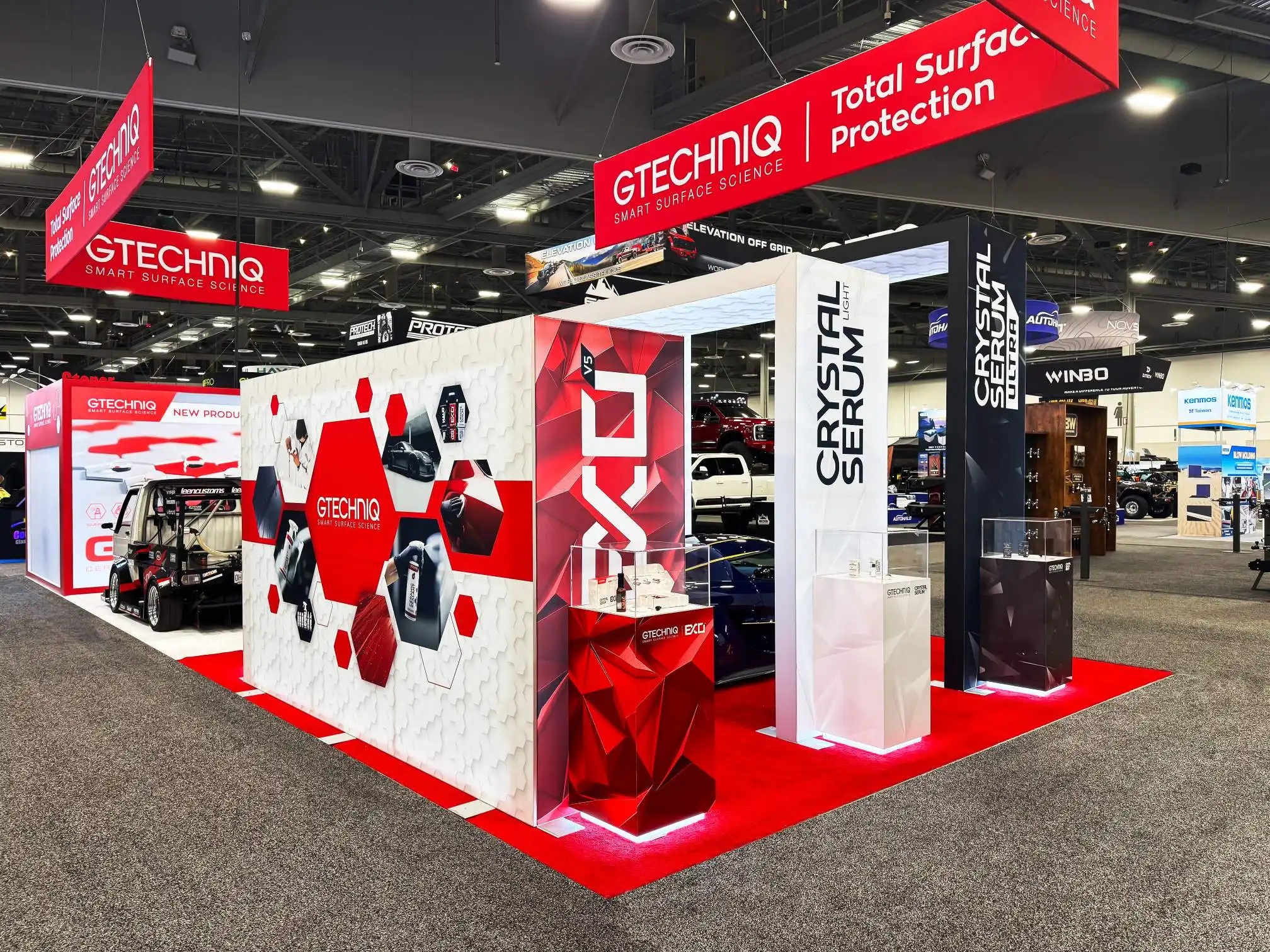
Comparing Convention Booth Design Options: Custom, Modular, and Rental Solutions
Custom-Built Exhibits for Brand Impact
Unmatched brand expression and design freedom are provided by custom fabrication. Custom constructions provide total creative flexibility when your business needs particular architectural features, distinctive structural arrangements, or branded environmental narrative. Using expert finishing processes, precise CNC routing, and structural components that are developed to fulfill venue load requirements, we create unique exhibitions in our Las Vegas facility.
Corporate marketing managers with large budgets that present at many yearly events and need a unique presence that rivals cannot match benefit greatly from custom solutions. Depending on complexity, materials, and technological integration, the expenditure usually falls between $150 and $400 per square foot. When amortized across eight to twelve events over a three-year period and properly maintained and stored in between usage, custom exhibitions provide the best return on investment. Custom convention booth design allows for this level of flexibility, ensuring that every aspect of the booth aligns with your brand and stands out at each event.
Modular Systems for Operational Flexibility
Standardized components, including as aluminum extrusion frames, tension fabric graphics, and changeable structural parts, are used in modular exhibitions to accommodate various booth sizes and configurations. This strategy tackles a typical procurement issue: businesses display at numerous exhibitions with varying space allotments. At the Automate Show in Chicago (June 22–25, 2026), a modular system bought for a 20x30 Infocomm booth may be reconfigured for a 10x20 area without the need for further purchases.
When compared to bespoke constructions, material costs are reduced by 40–60%, and setup efficiency is significantly increased. By using tool-free connections, modular frames minimize installation labor from 12–16 hours to 4–6 hours for areas of similar size. We have a large amount of modular inventory that is sent from Las Vegas with short lead times. This inventory is especially useful for businesses who are completing show participation under tight deadlines.
Rental Solutions for Occasional Exhibitors
Rental displays are perfect for startups testing show efficacy, foreign enterprises attending a single U.S. event, or organizations with irregular exhibition schedules since they minimize capital investment and storage issues. Complete turnkey kits that include booth construction, graphics, furnishings, and basic electronics usually cost between $65 and $125 per square foot.
It's important to pay attention to hidden costs: 35–50% of basic rental rates are added by graphic modification, shipment to the location, installation labor, and show services (cleaning, internet, and electricity). Predictable budgeting, no storage expenses, and access to contemporary design trends without long-term commitments are all benefits of renting. Rental agreements are often more cost-effective than ownership for businesses that only attend Infocomm each year, especially for venues smaller than 20 by 20.
Selecting Your Booth Design Partner
Examining a portfolio indicates technical prowess, design aesthetics, and execution excellence. Ask for case studies from your sector; consumer electronics presentations and medical device demonstrations are quite different. Make sure prospective partners have liability insurance; this is especially crucial for exhibitions that use a lot of technology or have overhead structures. For Infocomm and other Nevada events, local Las Vegas partners like HR Exhibits Service, Inc. provide clear benefits.
Our location guarantees prompt response for onsite alterations or emergency repairs during show hours, reduces cross-country shipping expenses, and permits pre-show staging inspections for client approvals. Local partnerships that handle the logistical complexities of Las Vegas convention operations, coordinate show service providers, and negotiate venue rules are especially beneficial to international and out-of-state exhibitors.
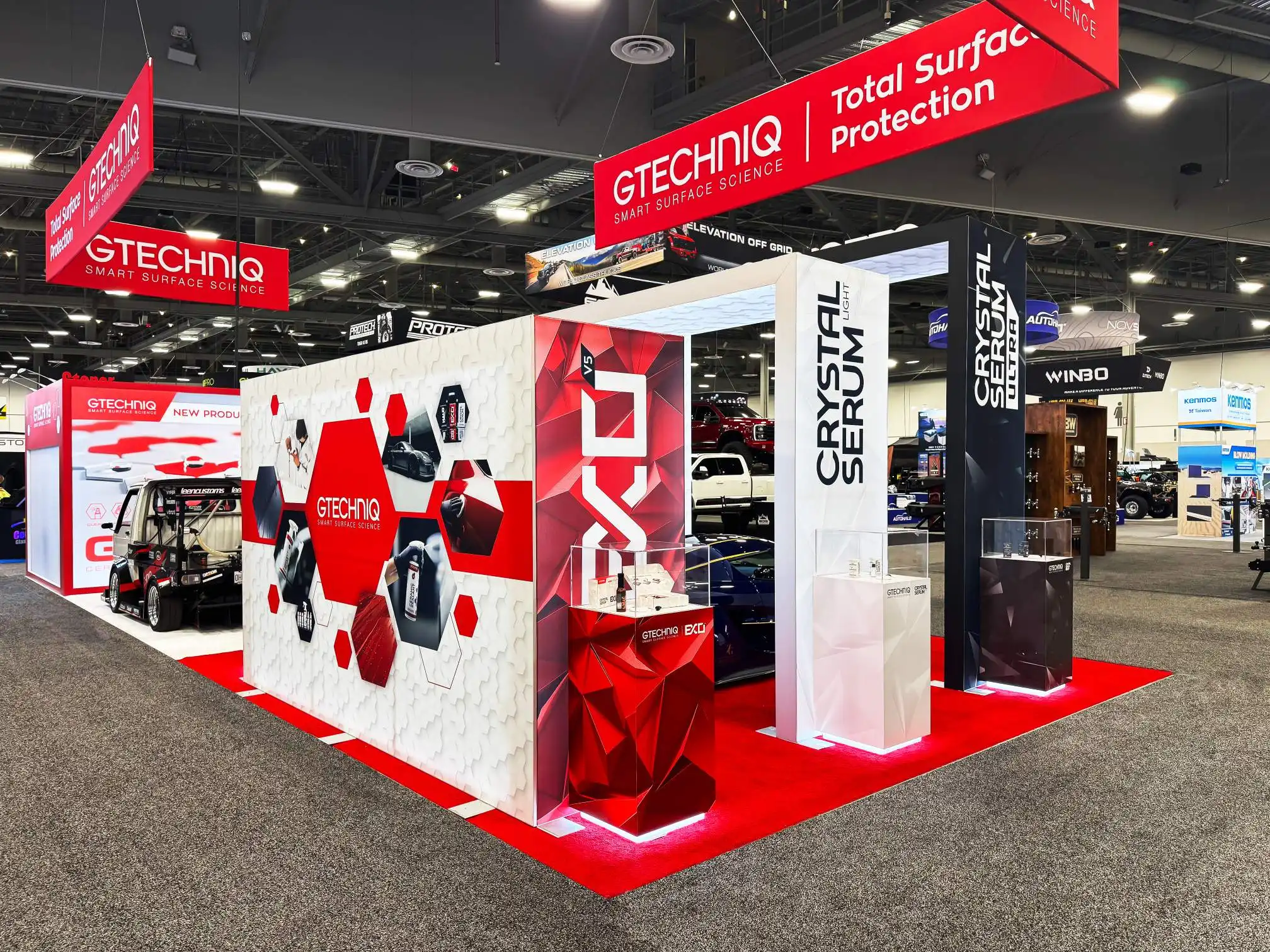
Technical Aspects and Materials: Optimizing Booth Design for Functionality and Sustainability
Material Selection for Durability and Brand Expression
The industry standard for modular construction is aluminum extrusion systems, which provide remarkable strength-to-weight ratios that save transportation costs while carrying large loads. Anodized finishes are resistant to scratches and hold up over time. Exhibit aesthetics have been transformed by tension fabric graphics, which provide a wrinkle-free look, smooth graphics without obvious seams, and lightweight qualities that make installation easier.
Under intense convention center illumination, dye-sublimation printing on polyester knit textiles produces brilliant colors with little glare. Procurement teams with environmental directives are drawn to eco-composite materials made from recycled components. Water-based inks, bamboo flooring, and recycled metal all show environmental awareness without sacrificing a polished look. These materials are commonly used in convention booth design, offering both functional and sustainable solutions for a variety of exhibition needs.
Technology Integration for Dynamic Engagement
Three-dimensional visualization during the design phase prevents costly misunderstandings and allows stakeholders to experience proposed designs virtually before fabrication begins. We provide clients with detailed 3D renderings and virtual walkthroughs that reveal sightlines, traffic flow patterns, and spatial relationships impossible to convey through two-dimensional drawings. Digital signage has evolved into sophisticated content management platforms with real-time updates, scheduled programming, and analytics tracking viewer engagement duration.
Proper implementation requires consultation with venue IT departments regarding network capacity and firewall configurations. Augmented reality applications overlay digital product information onto physical displays, allowing visitors to visualize installations, explore product variations, or access technical specifications through mobile devices. Interactive elements transform passive viewing into active participation, significantly extending booth engagement time and information retention.
Layout Planning for Optimal Traffic Flow
Effective space allocation dedicates approximately 40% of booth area to demonstration zones with adequate clearances for product interaction and small group observations. Meeting areas consume 25-30% of footprint, incorporating enclosed rooms or semi-private seating clusters. Storage and operational space requires 15-20% allocation despite being non-public—adequate back-of-house areas prevent clutter in visitor-facing zones. Traffic circulation paths should maintain minimum 5-foot widths to prevent bottlenecks during peak attendance periods. We engineer booth entries at angles that naturally guide visitors inward rather than straight-through pathways that facilitate quick exits. Strategic placement of high-value demonstrations at booth rear sections draws visitors completely into your space, maximizing exposure to brand messaging and sales staff.
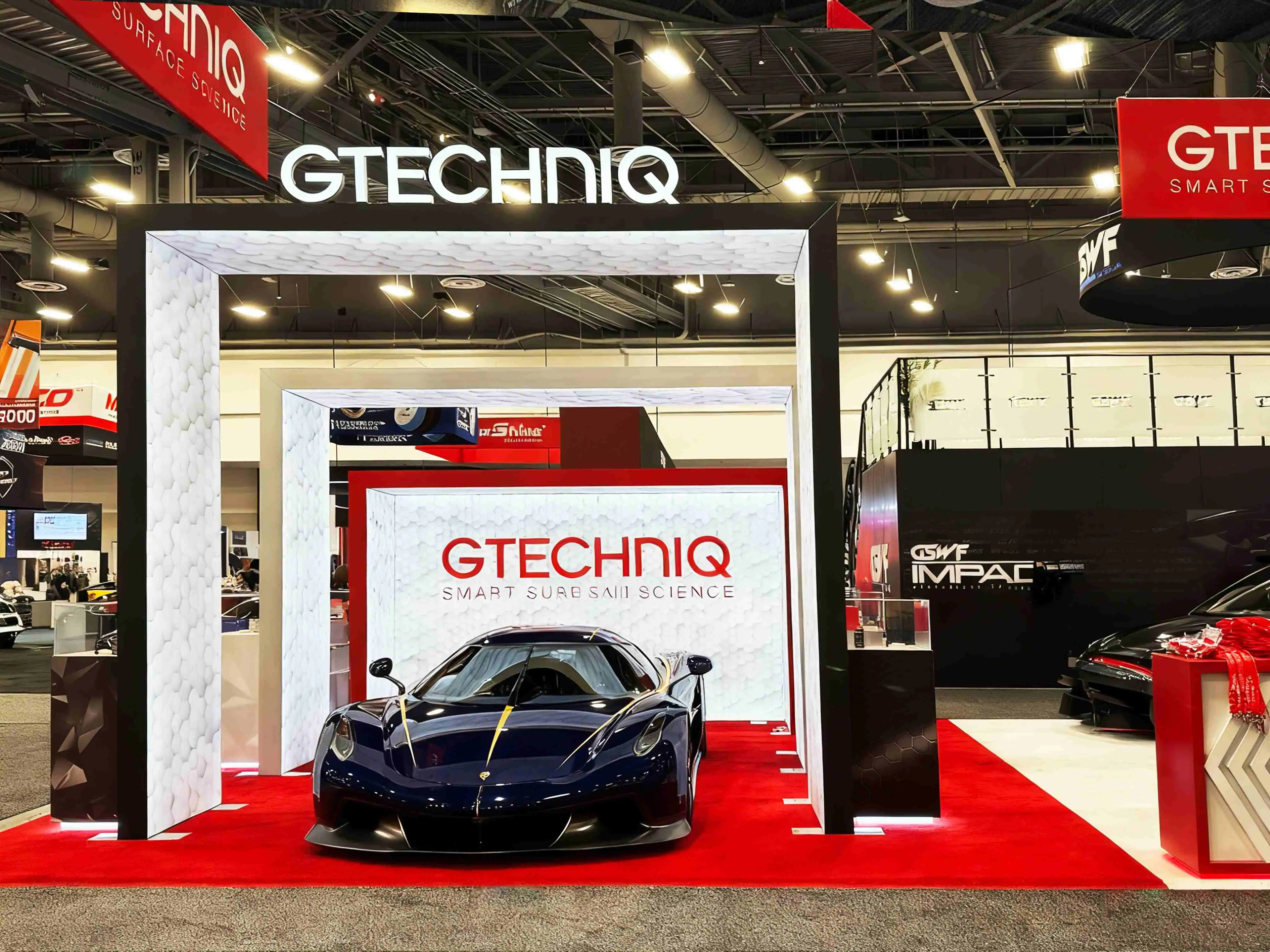
Practical Tips to Maximize ROI from Your Convention Booth Design
Aligning Design with Business Objectives
Exhibit investments must connect directly to measurable business outcomes. Define specific KPIs before design commences—lead quantity targets, qualified prospect percentages, meeting schedules with strategic accounts, or product demonstration completions. Technology exhibitors at Infocomm typically target 150-300 qualified leads from a well-executed 20x20 booth over the show's duration. When booth design, staff training, and follow-up processes align around these metrics, conversion rates improve substantially.
Sales directors should collaborate with design teams to ensure booth configurations support their selling methodologies, whether consultative approaches requiring private meeting spaces or high-volume demonstrations prioritizing rapid visitor processing. A strategic convention booth design helps ensure these objectives are met, creating an environment that supports both engagement and sales goals.
Lead Capture and CRM Integration
Modern lead capture extends beyond business card collection. Badge scanning technology integrated with your CRM platform automates data entry, eliminates transcription errors, and enables real-time lead distribution to sales teams. Advanced systems append visitor session attendance data, website browsing history, and behavioral scoring that prioritize follow-up sequences.
We recommend implementing lead qualification frameworks directly at the booth through brief screening conversations that segment contacts into immediate opportunities, mid-term prospects, and long-term nurture categories. This segmentation allows customized follow-up cadences that match buyer readiness levels, dramatically improving conversion efficiency compared to uniform outreach approaches.
Transparent Communication with Design Agencies
Scope creep destroys exhibit budgets when change requests accumulate without formal approval processes. Establish clear change order procedures with written confirmations and cost implications before implementation. Schedule regular progress reviews at defined project milestones rather than waiting for final delivery to identify discrepancies. We maintain transparent pricing structures that separate design fees, fabrication costs, graphics production, and installation labor so clients understand exactly how budgets allocate across project components. Procurement managers should request detailed specifications including material types, finish standards, and construction methodologies to ensure deliverables match expectations and support comparison across multiple bid proposals.
Post-Event Analysis for Continuous Improvement
Booth effectiveness evaluation begins during teardown when observations remain fresh. Document traffic patterns, identify underutilized spaces, and note operational challenges encountered during show hours. Survey your booth staff within 48 hours regarding visitor feedback, design elements that facilitated or hindered sales conversations, and suggested improvements.
Analyze lead data against booth layout to identify which zones generated highest-quality prospects. We've observed that systematic post-event analysis improves subsequent exhibit performance by 25-35% through iterative refinements. Photography and video documentation create valuable references for future planning and justify continued exhibit investment to senior management through visual evidence of brand presence and engagement levels.
June 2026 presents exceptional opportunities for technology and industrial exhibitors across multiple major conventions. CLEANPOWER in Houston (June 1-4) attracts renewable energy professionals requiring exhibits that showcase large-scale equipment and technical specifications. Beyond Infocomm's massive audiovisual gathering, the Automate Show in Chicago (June 22-25) draws manufacturing automation decision-makers who value demonstration-ready booth designs with robotics integration and live production simulations.
BIO International Convention in San Diego (June 22-25) requires exhibits meeting stringent pharmaceutical marketing regulations while creating professional consultation environments for complex product discussions. HR Exhibits Service, Inc. provides comprehensive booth design and construction services for exhibitors across all these major events, with our Las Vegas manufacturing facility supporting logistics for Western regional shows and our nationwide service network ensuring reliable execution regardless of venue location.
Conclusion
Strategic exhibit design for Infocomm 2026 requires balancing visual impact with functional demonstration capabilities, brand consistency with visitor engagement, and budget parameters with competitive differentiation. Whether selecting custom builds for long-term brand investment, modular systems for operational flexibility, or rental solutions for occasional participation, your booth must facilitate genuine business conversations that advance sales cycles. Material selection, technology integration, and layout optimization contribute equally to overall exhibit effectiveness.
Companies that approach booth design as strategic business infrastructure rather than aesthetic exercises consistently generate superior returns through qualified lead generation, enhanced brand perception, and efficient use of show participation investments. The Las Vegas Infocomm venue presents both opportunities through massive attendance and challenges through intense competition, making professional convention booth design partnerships essential for maximizing your presence during this critical industry gathering.
FAQ
Q1: What is the optimal timeline for planning an Infocomm booth?
A: Professional exhibit development requires 4-6 months lead time for custom fabrication projects. This window accommodates concept development, stakeholder approvals, structural engineering, material procurement, graphic production, and pre-show staging for quality verification. Modular and rental solutions compress timelines to 8-12 weeks, though graphic customization still requires 4-6 weeks minimum.
Q2: How do material choices impact overall booth costs?
A: Aluminum modular systems reduce initial investment by 40-60% compared to custom wood construction while offering superior reusability and lower shipping weights that decrease drayage fees by 30-50%. Tension fabric graphics cost approximately 60% less than rigid printed panels while providing easier replacement for design updates.
Q3: What sustainability options exist for environmentally conscious exhibitors?
A: Modular aluminum systems manufactured from recycled content and designed for decades of reuse represent the most sustainable approach. Tension fabric graphics utilize water-based inks and recyclable polyester. LED lighting reduces energy consumption by 75% compared to traditional halogen systems. Bamboo and recycled rubber flooring provide attractive alternatives to vinyl. We provide sustainability reports documenting material lifecycle, recycling procedures for decommissioned exhibits, and carbon footprint calculations for clients with corporate environmental reporting requirements.
Partner with HR Exhibits Service, Inc. for Your Next Infocomm Booth
HR Exhibits Service, Inc. specializes in delivering impactful exhibition experiences for technology, medical, manufacturing, and industrial clients exhibiting at Infocomm and major conventions throughout North America. Our Las Vegas facility provides unique advantages for Nevada exhibitions—local workshop access eliminates cross-country shipping costs, enables pre-show approval visits, and ensures immediate onsite support throughout your event. We serve as a trusted convention booth design manufacturer offering comprehensive services from initial concept development through final installation and post-show logistics.
Whether you require distinctive custom exhibits that showcase your brand's unique positioning, flexible modular systems that adapt across multiple show formats, or turnkey rental solutions for occasional participation, our team combines creative design excellence with technical precision. International and out-of-state exhibitors particularly value our local support for navigating Las Vegas venue requirements, coordinating show services, and managing the operational complexity of major exhibitions. Contact our team at info@hrexhibits.com to discuss your Infocomm 2026 objectives and discover how strategic exhibit design transforms show participation into measurable business growth.
References
1. Center for Exhibition Industry Research (2024). Trade Show Attendee Behavior and Decision-Making Patterns in B2B Technology Markets. Chicago: CEIR Publications.
2. Freeman Company Exhibition Services (2025). Technical Specifications and Material Standards for Modern Convention Booth Construction. Dallas: Freeman Research Institute.
3. International Association of Exhibitions and Events (2024). Sustainability Practices in Exhibition Design: Materials, Methods, and Industry Standards. Portland: IAEE Educational Foundation.
4. National Fire Protection Association (2025). NFPA 701 Standard Methods of Fire Tests for Flame Propagation of Textiles and Films. Quincy: NFPA Press.
5. Trade Show Executive Magazine (2024). ROI Measurement Frameworks for Technology Exhibitors at Major Industry Conventions. Cleveland: TSE Media Group.
6. Exhibitor Media Group (2025). Booth Design Trends and Procurement Best Practices for AV and Communications Technology Sectors. Rochester: Exhibitor Magazine Publications.

Embark on Your Journey to Exceptional Exhibitions! Contact HR Exhibits Today to Transform Your Vision into Global Success.
HR Exhibits Service, Inc.