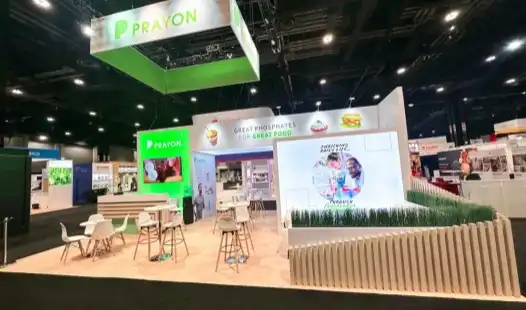
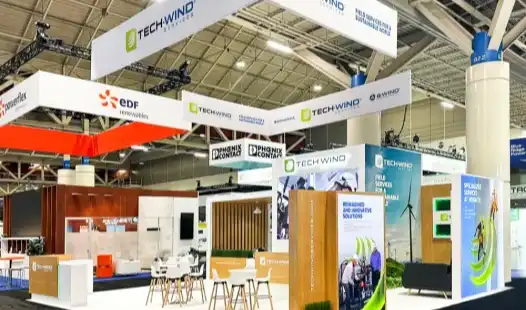
Chicago Food Expo: Custom Booth Builders Cut Setup Time by 30%
Your bottom line is directly impacted by how quickly you can get your booth set up for exhibition at big food industry events. Custom booth makers are changing the way brands get ready for trade shows. Engineered modular systems and pre-fabricated parts have been shown to cut on-site building time by 30%. This increase in efficiency means lower labor costs, lower drayage fees, and earlier access to prime setup windows. These are benefits that matter whether you're launching new products at regional food trade shows or showing off your goods at the IFT FIRST Annual Meeting & Food Expo in Chicago. Smart vendors now choose builders who are good at both creative design and precise logistics. This way, they can make sure their brand presence starts on time without losing any of its visual impact.
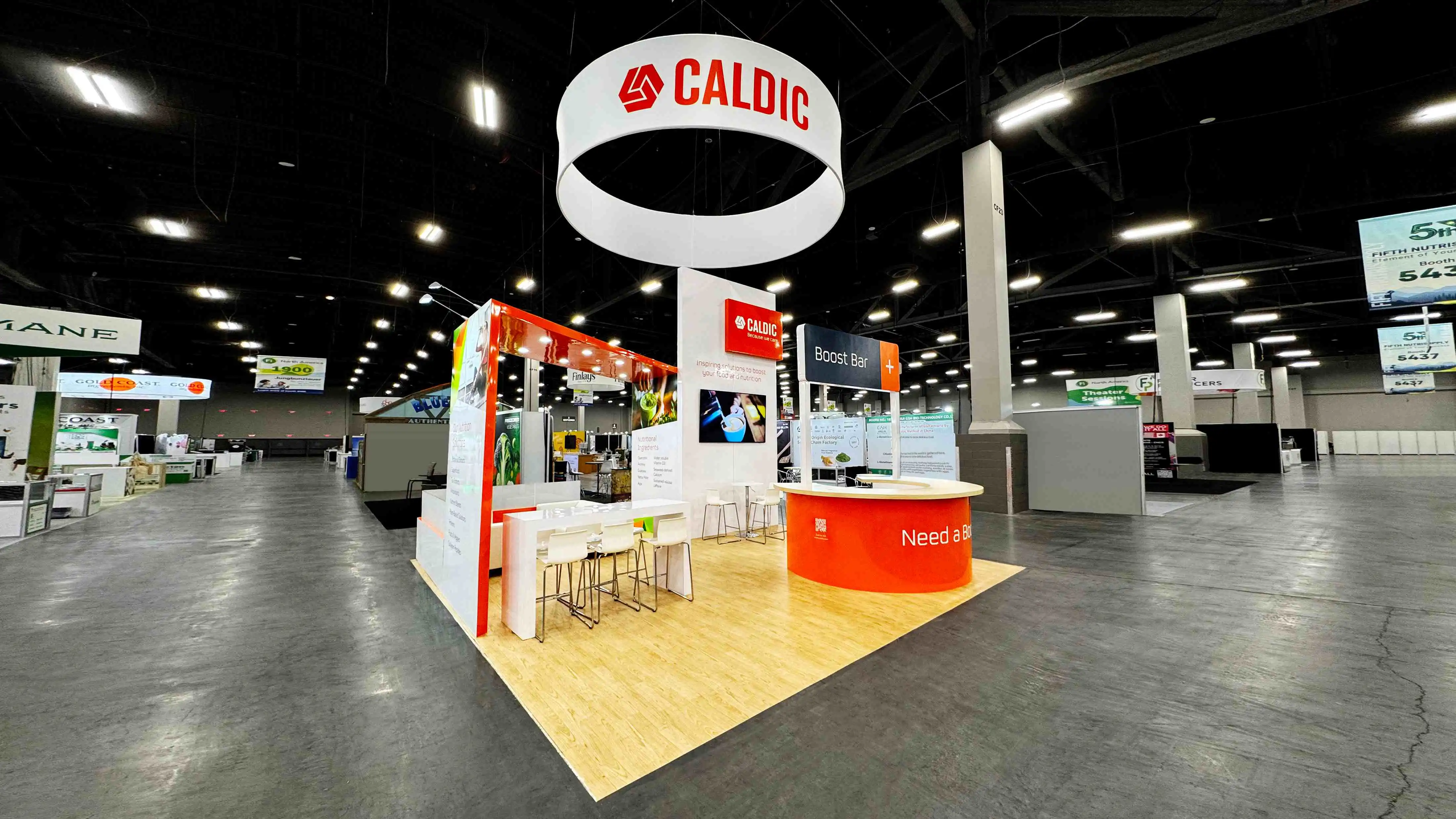
Understanding the Challenges in Exhibition Booth Setup
Time-Consuming Assembly Processes
For a normal 20x20 island layout, traditional booth building methods usually need 12 to 16 hours of on-site work. This longer timeline is caused by old connector systems, badly written assembly directions, and parts that need specific tools to be put together. It's hard for installation teams because of venue unions, tight show floor entry schedules, and other exhibitors who are also trying to get room. Every hour that is late costs more in extra pay and takes away time that is needed to set up the products and train the staff.
Logistical Coordination Failures
When suppliers don't work together well, troubles start to pile up. Graphics come directly from the framework. Deliveries of furniture miss the window for fitting. Some lighting systems don't have the right connections for power in venues. When their booth set up for exhibition runs into these avoidable challenges, we've seen vendors scramble. Most of the time, the problem starts with broken partnerships with vendors, where no one person is responsible for the whole process. This lack of combined project management turns a process that should be simplified into a crisis management drill.
Financial Impact of Inefficiency
Several types of costs go up when setup times are longer. When union workers charge by the hour, the costs of their work add up. When items need to be moved more than once, the drayage fees add up. When sales directors fix construction problems instead of getting ready to meet visitors, they miss out on a lot of other opportunities. A recent study of the industry found that installing booths that don't work well can waste 15-20% of the total budget for an event. These leaks of money hurt smaller vendors the most because they have limited funds and need every dollar to show a clear return.
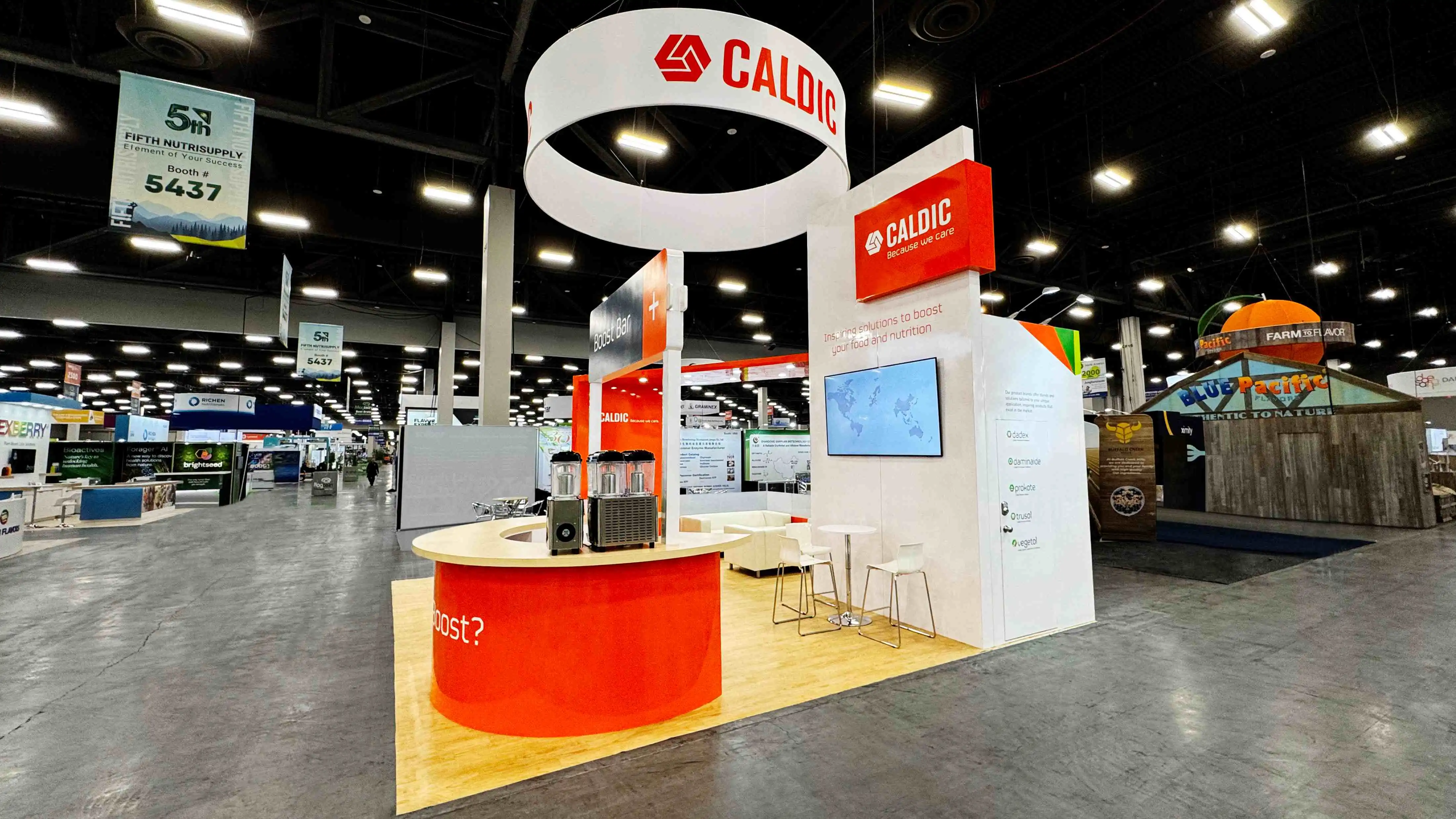
How Custom Booth Builders Streamline Setup: The Lean Improvement Approach?
Pre-Fabrication and Modular Engineering
The best custom builders use lean production ideas that come from the car and aerospace industries. They don't make big parts of structures on busy show floors, but in controlled workshops. Anodized aluminum extrusion frames come with all the tools needed to join them already installed and precisely cut to size. Silicone edge graphics (SEG) on tension cloth graphics snap into channels without glue or tools. This plug-and-play method cuts down on the amount of setup that needs to be done on-site to simple connection steps that can be done quickly by workers with some skills.
When you look at the specs side by side, the technical edge is clear. In standard setups, each wall piece might have 30 to 40 separate fasteners. This number is cut down to 4-6 connection points with special closing devices in modular designs that have been optimized. In pre-fabrication, LED lighting strips and power distribution are already plugged into frame channels, so they can be used with electricity. On-site crews only need to connect pre-tested cables to power sources at the venue. This cuts down on the time it used to take to do hours of complicated wiring work.
Data-Driven Process Refinement
Custom booth makers keep specific records of how each project was put together. They keep track of installation times based on the booth's size, how hard it is to set up, and the conditions of the place. Patterns can be seen in this data: some ways of connecting panels save 8 minutes per panel, some choices of materials reduce weight by 25% without affecting structural integrity, and some choices of tools speed up assembly by 15%. These findings are used in new designs during continuous improvement processes, which creates a spiral of increasing efficiency.
A food producer in Chicago used this method while getting ready for IFT FIRST. After looking at past setup data, their custom maker found that fixing all graphic panels to frames before shipping would save 4 hours of work on-site. It took more secure wrapping because of the change, but it saved time as promised. Professional booth set up for exhibition services are different from generic sellers who do the same things over and over again, no matter what the results are.
Skilled Team Training and Coordination
Even the best-designed methods need to be carried out correctly. Professional custom makers pay for training programs for their crews that teach them how to put things together, follow safety rules, and solve problems. Before going to show sites, teams practice setups in warehouses. They know how to load sequence, or which parts need to go up first to support the ones that come after. They know about common site factors that need to be changed, such as ceiling height limits or floor load limits.
During compressed startup times, this knowledge comes in very handy. A lot of companies are competing for forklift access and hallway room when the IFT FIRST Annual Meeting & Food Expo opens its hall for exhibitors to move in. Trained teams move quickly through this organized chaos, planning when to deliver materials to avoid delays and changing work schedules to suit construction going on next to the booth. Their professional focus keeps projects on track even when delays happen at other exhibits.

Exhibition Booth Design Ideas 2026 for Food Industry Trade Shows
Sustainable Materials Meet Brand Storytelling
More and more, buyers of goods and services today look at providers through the lens of their environmental duty. Responses from food industry exhibits include booths made from recycled aluminum, FSC-certified wood frames, and polyester fabrics made from tension. These materials don't hurt the performance of structures; they meet fire retardancy standards like NFPA 701 and are better for the environment. This benefit for brand marketing is important if your booth shows how your products are good for the environment.
Design methods now put stories ahead of just showing off products. A specialty coffee roaster might make a booth that looks like a modern café, complete with working brewing tools where baristas can make samples all day. An organic snack company could build their space around a "farm-to-shelf" story by using natural wood textures and earth tones that show how they get their ingredients. These intense settings make events that people will remember that regular rental booths can't match.
Adaptive Layouts for Variable Space Configurations
Smart sellers create booths that can be used at more than one event. A flexible system could start out as a small 10x10 straight setup for local shows and then grow to a 20x20 island setup for big events like the IFT FIRST Annual Meeting & Food Expo in Chicago. This scalability saves investments because it means that completely new buildings don't have to be built for each size of place. Components can be rearranged and new sections can be added without any problems, so the brand presentation stays the same no matter what the floor plan is.
Adaptive plans also take into account how food products are actually shown. Designs include shelving systems that can be adjusted to fit items of different sizes. For countertop surfaces, you should choose long-lasting laminates with AC4 or AC5 wear rates that can handle a lot of use and cleaning. In storage areas, you can hide extra merchandise and packing materials. These practical factors make sure that the booth works well during events that last several days and have a lot of product turnover.
Advanced Lighting and Digital Integration
Lighting technology has changed how booths look and how they work. LED systems that use less energy now let you change the color temperature from warm tones (3000K) that make baked goods look tasty to cool tones (6000K) that make veggies look fresh. Layered lighting strategies use both general lighting from above and focused accent lights to draw attention to specific goods and get rid of shadows in display areas. These systems use less electricity than older lighting lights, which lowers the cost of electrical service while improving the quality of the light.
Digital integration is more than just mounting a computer. In more modern designs, touchscreen screens with product selector tools are built in. These help guests find the right products for their needs. Graphics with QR codes on them lead to detailed specification sheets or video material that continues the talk beyond interactions on the show floor. Some exhibitors set up virtual reality sites that show production facilities or the transparency of the supply chain. This works especially well for business-to-business buyers who can't easily visit factory locations. These digital aspects create measured interaction data that helps with follow-up plans after the show.
Comparing Custom Booths vs Modular and Rental Options: A Rational Choice Approach
Custom Booths: Investment in Brand Differentiation
Custom-built buildings give you the most freedom in design and help your brand stand out. Every size, type of material, and functional part is chosen to help you reach your unique business goals. This custom method makes a unique appearance that other companies can't copy. The funding proposal makes sense for businesses that show up at several events a year and present their brand consistently at all of them. This builds brand recall over time. Custom booths can also meet unique needs like mounting points for heavy equipment, cold show cases, or built-in music systems that standard booths can't.
At big shows, the advantage of saving time becomes even more important. At the IFT FIRST Annual Meeting & Food Expo, a well-designed custom booth set up for exhibition could take 6–8 hours to set up, compared to 10–12 hours for comparable rented setups. This speed edge gives important extra time for the unavoidable last-minute changes and thorough quality checks before the show starts. Less work hours directly lead to lower installation costs, which help make up for the higher original cost of unique design and fabrication.
Modular and Rental Solutions: Flexibility Considerations
Modular systems are a good compromise because they combine some customization with stock parts. Manufacturers give exhibits banks of panels, counters, and visual frames that can be switched out and put together in a variety of ways. This method works well for businesses that want to see how well trade shows work before they make special investments. The parts are usually put together without using any tools, which makes installation pretty quick, though it's rarely as fast as installing purpose-built custom systems.
Rental booths are good for short-term needs or for a single event. Standard setups are kept in stock by suppliers and sent to places and then returned after shows. This gets rid of worries about storing and lowers the initial cash needs. But rental choices limit how you can show off your brand because you have to choose from what's available instead of making custom designs. It can get harder to set up because rental parts are meant to be used for general reasons and may need to be changed a lot to fit specific goods or demonstrations. When there are more than three events a year, the cost-per-use figure usually favors custom control.
Decision Factors for Food Industry Exhibitors
Managers of operations and procurement should look at a number of factors. The number of events has a direct effect on the cost-benefit study, since unique booths can be used for more than one thing. Brand positioning is important because high-end goods need presentations that look great, which is hard for rental booths to do. Requirements for product demonstrations affect structure specs in a way that can only be fully addressed by custom builds. Depending on their logistical skills, in-house teams may or may not be able to store and maintain booths between events.
When allocating a budget, you also have to think about secret costs. Some rental deals don't include image updates, which means you have to pay extra every time you want to change the message. When you use a modular system, you have to use a certain type of connection, which limits your choices for future growth. Custom booths cost more at first, but they give you more freedom in the long run to change graphics, add technology, or rearrange layouts as your marketing strategies change. This view of lifespan costs often shows that custom solutions offer better value, even if they cost more at the start.
Partnering with Trusted Custom Booth Builders: Value and Services Overview
Turnkey Project Management
Professional booth builders who work as real partners take care of the whole job, from coming up with ideas to taking everything down. They start with discovery consultations where you talk about how you want to position your business, how you want to show off your products, and how you want to connect your target audience. Design teams take what we talk about and turn it into 3D images that show you exactly how your place will look. The engineering teams choose materials that meet the fire safety rules and structural load standards of the venue. Graphics companies make high-resolution pictures on long-lasting materials that are perfect for trade shows.
This all-around method includes show site performance. Project managers plan the logistics of shipping and make sure that supplies come during the times that have been set aside for moving in. Installation directors make sure that trained teams follow the right steps for putting things together while also meeting strict deadlines. On-site assistance takes care of unplanned venue issues or changes made at the last minute. Support is still available for any operating problems during the event. When the show is over, dismantle teams quickly take down buildings and take care of returning or storing materials. This end-to-end responsibility gets rid of the need for exhibitors to coordinate with multiple providers at the same time.
Specialized Food Industry Experience
Booth builders with a lot of experience in the food business know how to meet the unique needs of that industry, which is something that generalist sellers might miss. They know that rules set by the health department could affect how food is prepared on the floor. They say that the electricity should be strong enough for cooling equipment or cooking demos. They plan traffic flows so that there aren't any jams near popular sampling sites. They suggest flooring materials that are long-lasting and won't show wear after heavy cleaning or spills.
When a medical nutrition business got ready for the IFT FIRST Annual Meeting & Food Expo, this market knowledge came in handy. Their goods had to be kept in cold places, given out in controlled areas that met standards for preventing contamination, and talked over privately with healthcare buyers about how they could be used in clinical settings. Their custom builder made a booth with commercial-grade cooling and good air flow, stainless steel surfaces that showed they cared about cleanliness, and soundproof meeting pods that let people talk privately. These customized solutions directly helped the client reach their two goals of showing off their products and getting professional buyers interested.
Future-Proof Design Philosophy
Strategic custom makers make things that will last and be easy to change. They choose materials that have been shown to last through multiple building processes without breaking down. Aluminum frames stay strong even after being put together dozens of times. Tension cloth images can last for years if they are taken care of properly. Modular building methods let you add on or swap parts as your needs change. This durability saves the original investment by making the booth useful for many more events after the first ones.
The future-proof method also takes into account how technology changes over time. The designs include the electrical equipment that supports digital screens now and will be able to support improvements in the future. Mounting systems use standard VESA patterns that work with new monitors. Provisions for network connection take into account the fact that vendors will need more bandwidth as they set up more advanced interactive experiences. This forward-thinking planning keeps things from becoming outdated and lets exhibitors use new technologies for interaction without having to update their whole booths.
Conclusion
The landscape of exhibitions honors both speed and innovation. Custom booth builders who use designed modular systems, pre-fabrication methods, and skilled installation teams to cut setup time by 30% offer measured benefits that directly boost event ROI. These time savings mean lower labor costs, less stress, and better results in the areas that matter: how the brand looks, how engaged visitors are, and how well leads are generated.
As long as big food industry events like the IFT FIRST Annual Meeting & Food Expo keep drawing in thousands of procurement workers and decision-makers, your plan for the show must strike a balance between how well it looks and how well it works. The booth set up for exhibition method you choose has a big impact on both the event experience and the marketing results. Custom solutions from partners with a lot of experience are the key to building successful trade show programs that raise brand awareness and boost business growth over multiple event rounds.
FAQ
Q1: How much time can custom booths actually save during installation?
A: Time studies that have been recorded show that properly designed custom booths cut the time needed for installation by 25–35% compared to the old way of doing things. With optimized custom designs, a standard 20x20 island layout can often be finished in 8–9 hours, whereas it might take 12–14 hours with standard systems. This speeding up is due to parts that are already made, connection systems that don't need tools, and combined electrical infrastructure that gets rid of the need for complicated wires on-site.
Q2: Are custom booth materials truly reusable across multiple events?
A: When taken care of properly, high-quality handmade booths with anodized aluminum frames and long-lasting tension textiles can usually handle 20 to 30 events. The designed materials can be put together and taken apart many times without losing their structural integrity. Graphics may need to be replaced every so often as the message changes, but structure and basic parts last for years. Because custom booths last longer, they are a better investment for exhibitors who go to three or more events a year or more, since the cost per use is much lower than with rental choices that charge for each show.
Q3: What sustainability standards do modern custom booth materials meet?
A: Reputable custom builders choose materials that meet fire safety rules, such as the NFPA 701 and CPAI-84 standards that are needed by big meeting centers. Aluminum parts come from recovered materials and can still be returned in full when they're no longer needed. Polyester is used to make tension fabrics instead of PVC plastics, which are bad for the earth. A lot of builders are now trying to get ISO 20121 certification for sustainable event management. This shows that they are committed to being environmentally friendly from the planning stages all the way through the building and installation.
HR Exhibits Service, Inc.: Your Custom Booth Partner for Major Food Industry Events
Working with an experienced booth set up for exhibition manufacturer is important when you're getting ready for big shows like the IFT FIRST Annual Meeting & Food Expo in Chicago (July 12–15, 2026) or Cosmoprof North America Las Vegas (July 13–15, 2026) in the same industry. Our company, HR Exhibits Service, Inc., is based in Las Vegas and has its own manufacturing plant. We offer turnkey custom booth solutions that cut down on installation time and increase brand effect.
Our team has a lot of experience with trade shows in many fields, including industry, medicine, technology, building, and food and drink. We know that each business has its own specific needs, such as food sampling areas that need to follow health code rules and displays of heavy equipment that need reinforced floors. Because we have experience in more than one industry, we can solve difficult display problems that sellers from just one industry can't do well.
Working out of our workshop in Las Vegas gives exhibitors from all over North America smart benefits. We help international and out-of-state companies that are exhibiting at big Las Vegas conventions with local issues. This takes care of the problems that foreign exhibitors often have with logistics. Our closeness to big events in the west cuts down on shipping costs and travel times. The same infrastructure makes it possible for events in the US, Canada, and Mexico to run smoothly. It can also handle global shows when clients need an international presence.
Get in touch with us at info@hrexhibits to talk about how custom booth options can make your next food industry show better. We have the design creativity, engineering precision, and logistical know-how that successful exhibition programs need, whether you're launching new products at the IFT FIRST Annual Meeting & Food Expo, building your brand's presence at regional events, or planning campaigns that take place at multiple shows across North America. Let us work together to make something amazing.
References
1. Institute of Food Technologists (2025). "IFT FIRST Annual Meeting & Food Expo: Exhibitor Services and Guidelines Manual." Chicago Convention Planning Committee.
2. Trade Show Executive Magazine (2024). "Time and Cost Efficiency in Custom Booth Construction: Industry Benchmark Report." TSE Research Division, Annual Exhibition Trends Analysis.
3. Exhibition Services and Contractors Association (2024). "Best Practices for Modular Booth Engineering and Rapid Installation Methods." ESCA Technical Standards Publication.
4. National Fire Protection Association (2023). "NFPA 701: Standard Methods of Fire Tests for Flame Propagation of Textiles and Films." NFPA Code Standards Documentation.
5. Sustainable Event Alliance (2024). "ISO 20121 Implementation in Trade Show Booth Design and Fabrication." SEA Environmental Responsibility Guidelines.
6. Center for Exhibition Industry Research (2024). "ROI Metrics and Cost Analysis for Corporate Exhibition Programs: Food and Beverage Sector Focus." CEIR Industry Intelligence Report.

Embark on Your Journey to Exceptional Exhibitions! Contact HR Exhibits Today to Transform Your Vision into Global Success.
HR Exhibits Service, Inc.