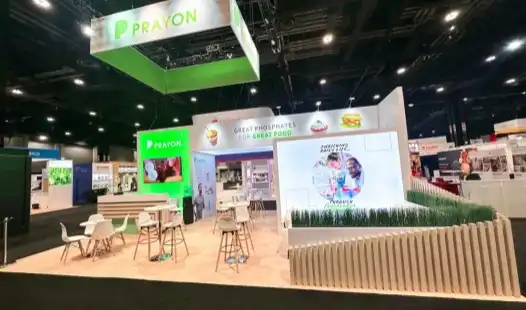
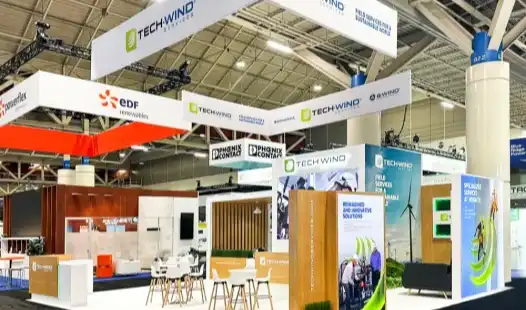
Best Booth Design Ideas for IMTS 2026 Chicago
The quest for the best booth designs at IMTS 2026 Chicago hinges on balancing innovation with functionality to meet your business objectives. Exceptional booth designs integrate immersive technologies, strategic layouts, and sustainable materials that resonate with procurement decision-makers in manufacturing and technology sectors. Whether you're a startup seeking cost-effective solutions or a corporate giant requiring custom branding, selecting a design that optimizes traffic flow, incorporates interactive zones, and reflects your brand values is crucial. Partnering with experienced booth builders ensures on-time delivery, compliance with show regulations, and a standout presence on the competitive trade show floor.
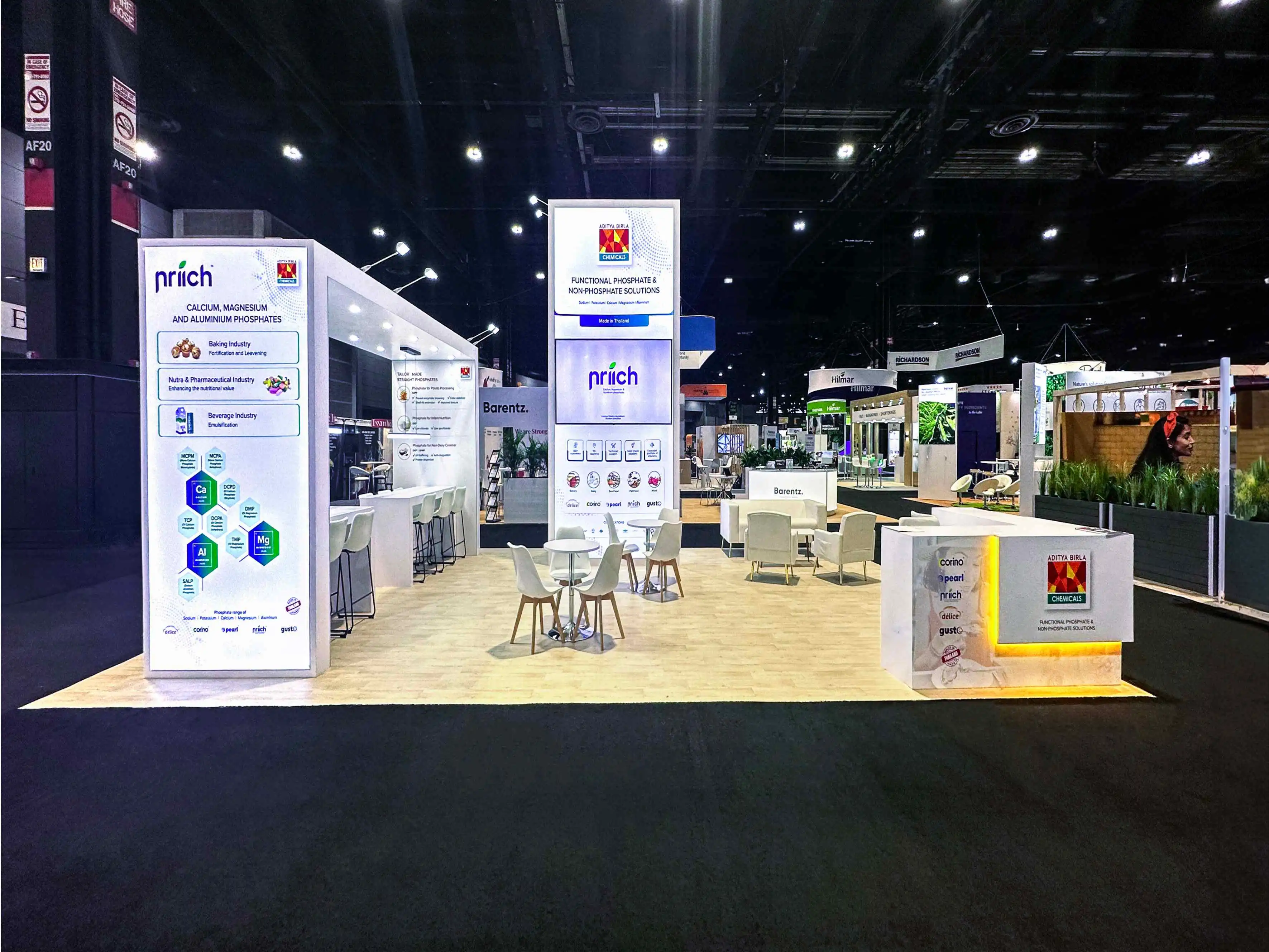
Top 7 Trade Show Booth Design Trends for IMTS 2026
For the best booth designs at IMTS 2026 Chicago, you need to find a balance between new ideas and practicality that helps your business reach its goals. The best booth designs use engaging technologies, smart layouts, and eco-friendly materials that appeal to people who make buying decisions in the tech and industrial industries. It's important to choose a design that improves traffic flow, includes interactive areas, and stays true to your brand's values, whether you're a startup looking for cheap solutions or a big company needing custom branding. Working with experienced booth makers guarantees arrival on time, adherence to show rules, and a noticeable presence on the crowded trade show floor.
As we get closer to big events in the business this September, display design is still changing. The IMTS (International Manufacturing Technology Show), which will be held in Chicago from September 14th to 16th, 2026, will show how makers and tech companies use cutting-edge booth design techniques to get people's attention and turn them into approved leads.
Immersive Technology Integration
Augmented reality (AR) and virtual reality (VR) used to be cool, but now they're necessary for modern booth design. At IMTS 2026, companies that sell manufacturing equipment will use augmented reality (AR) overlays to let guests see how machines would be set up in their own factories without having to make actual samples. When you combine live product demonstrations with VR walkthroughs, you create memorable experiences that go far beyond handing out brochures. This solves a major problem in the industry: turning idle foot traffic into interested prospects.
Sustainable Materials and Energy Efficiency
Material choices in the show business are changing because of rules about corporate social responsibility. Now, recycled metal frames, low-VOC paints, and bamboo composite walls are all good for the environment and strong. Energy-efficient LED lighting systems with motion sensors use less electricity while still making a statement. These choices that are good for the environment work especially well with buying teams that rate providers based on ESG standards. This makes sustainability a competitive differentiator instead of an optional factor.
Modular and Portable Design Systems
Space management is now very important as vendors try to get the most return on investment from the space they have. The same design features can be used in 10x10, 10x20, or island layouts thanks to lightweight tension fabric systems and modular frames that can be rearranged. Companies that want to show at more than one event in September 2026 will find this freedom very useful. These events could be IMTS in Chicago, Global Security Exchange (GSX) in Atlanta (September 14–16), or PRINTING United Expo in Las Vegas (September 23–25). By reducing the weight and thickness of the crates, strategic flexibility cuts down on drayage costs by a large amount.
Advanced Lighting Architecture
With advanced LED lighting and projection mapping, stands become visual draws on busy show floors. Vertical lighting hierarchy draws attention from across the hallways, and programmable color temperatures divide bigger exhibits into clear areas. At shows like IMTS, where hundreds of makers are competing for attention, the way the lights are set up has a direct effect on dwell time and brand memory. Smart systems that change the strength based on the environment make sure that the visual performance stays the same during long show days.
Interactive Digital Touchpoints
Gamified experiences and product configurators that can be customized turn casual visitors into qualified leads. Touchscreen screens that let people look at specifications for machinery, figure out their return on investment, or look at technical details keep them engaged and provide useful information about potential leads. Digital screens that show real-time production data or customer reviews boost trustworthiness and free up staff to have more important talks. These dynamic parts take into account that today's buyers like to do their own research before talking to a salesperson. Incorporating these elements into best booth designs ensures that your exhibit captures attention and facilitates meaningful engagement with visitors.
Functional Zone Planning
A well-designed booth has clear areas for showing off products, having quiet talks, and just talking to other people. Elevated presenting platforms make it easier to see in busy areas, and meeting rooms with partial walls make it easier to have serious talks about buying without being interrupted by noise from the floor. Putting storage solutions into structure elements keeps the look clean while still being useful. This way of zoning takes into account the different goals of visitors, from quickly getting information to in-depth expert consultations.
Brand Storytelling Through Architecture
Modern booth design goes beyond showing off products and uses space to tell stories about the company. Choices of materials, color psychology, and building shapes all work together to show what a brand stands for, whether that value is innovation, dependability, or sustainability. High-resolution SEG (silicone edge graphics) technology is used in the graphics to make the brand look smooth, and structural elements emphasize key messages through their shape and function. This all-around method makes sure that every design choice supports the company's strategic positioning.
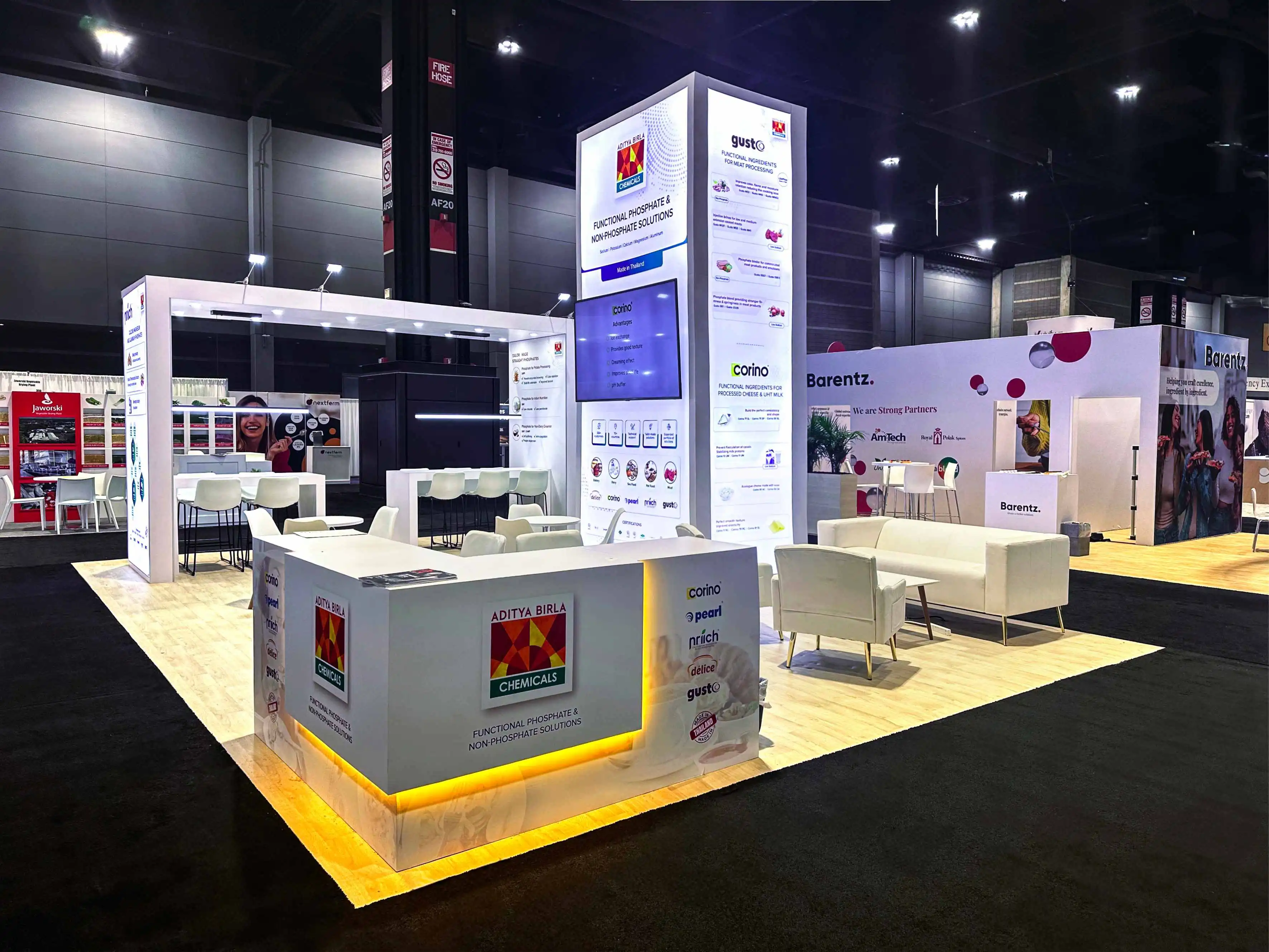
How to Design an Effective Booth for IMTS 2026?
A lot of work goes into planning the booth months before the September shows. The planning process is the same whether you're getting ready for IMTS, the LOUPE Americas show going on at the same time (September 15–17 in Chicago), or CEDIA in Denver (September 4–7).
Define Clear Objectives
For displays to be successful, they need clear, measurable goals that are in line with business values. Are you introducing a new way to make things, finding distributors, or building up the power of your brand? From booth size to hiring needs, your goals determine everything. When it comes to live demonstrations, manufacturing companies tend to put more value on them, while technology companies may put more value on digital interaction. People in charge of buying things at IMTS are there to look at how efficiently operations run. This means that design elements should make it easier for technical talks and specification reviews, not just for brand promotion.
Optimize Traffic Flow and Layout
The layout of the booth should make it easy for visitors to move from being interested to giving their contact information. Open corner layouts on island booths make them easier to get to, and placing display areas in smart ways makes them natural places for people to meet. Avoid plans with dead ends that trap guests or make it hard to get out. Meeting rooms that are comfortable and not in places with a lot of foot traffic let people have deep talks without being interrupted all the time. Leaving enough space between interactive areas keeps things from getting too crowded and keeps the energy and visual interest high throughout your show.
Incorporate Interactive and Demo Zones
Product demos are still the most important part of industrial trade shows. Make sure you have enough floor room and electricity for live equipment to work, and that you follow McCormick Place's rules about noise, safety limits, and utility needs. Digital links, like ROI calculators, thorough specs, and video case studies, go along with real demos. Gamification elements, like technology-related tasks or engaging quizzes, keep people interested for longer and give booth staff natural ways to start conversations.
Select Materials That Reflect Brand Values
Through touch and sight, the materials used show high standards and company beliefs. Precision manufacturing brands should use high-quality finishes on their custom woodwork to show that they pay attention to detail. Powder-coated metals and durable laminates can handle being set up and taken down many times without losing their professional look. Using new materials like carbon fiber highlights or smart glass panels helps businesses that want to be seen as innovative stand out even more. When choosing a material, it's important to think about how it will look and how much it will cost to ship, how long it will last, and how much upkeep it will need.
Learn from Past IMTS Success Stories
Looking at past IMTS exhibitors can teach you a lot about how to make your designs work better. A CNC maker in the Midwest said they got 40% more quality leads after redesigning their 20x30 booth so that it had a center machining demo surrounded by consultation stations instead of a plan with products lined around the edges. A seller of parts for medical devices saw a big increase in their return on investment (ROI) when they started using VR plant tours, which were a better way to show how they made things than static displays. These real-life examples show how strategic design has a direct effect on business results, which proves that the money spent on skilled booth development was well spent. Implementing best booth designs that prioritize visitor engagement and clear messaging can significantly improve lead quality and overall show performance.
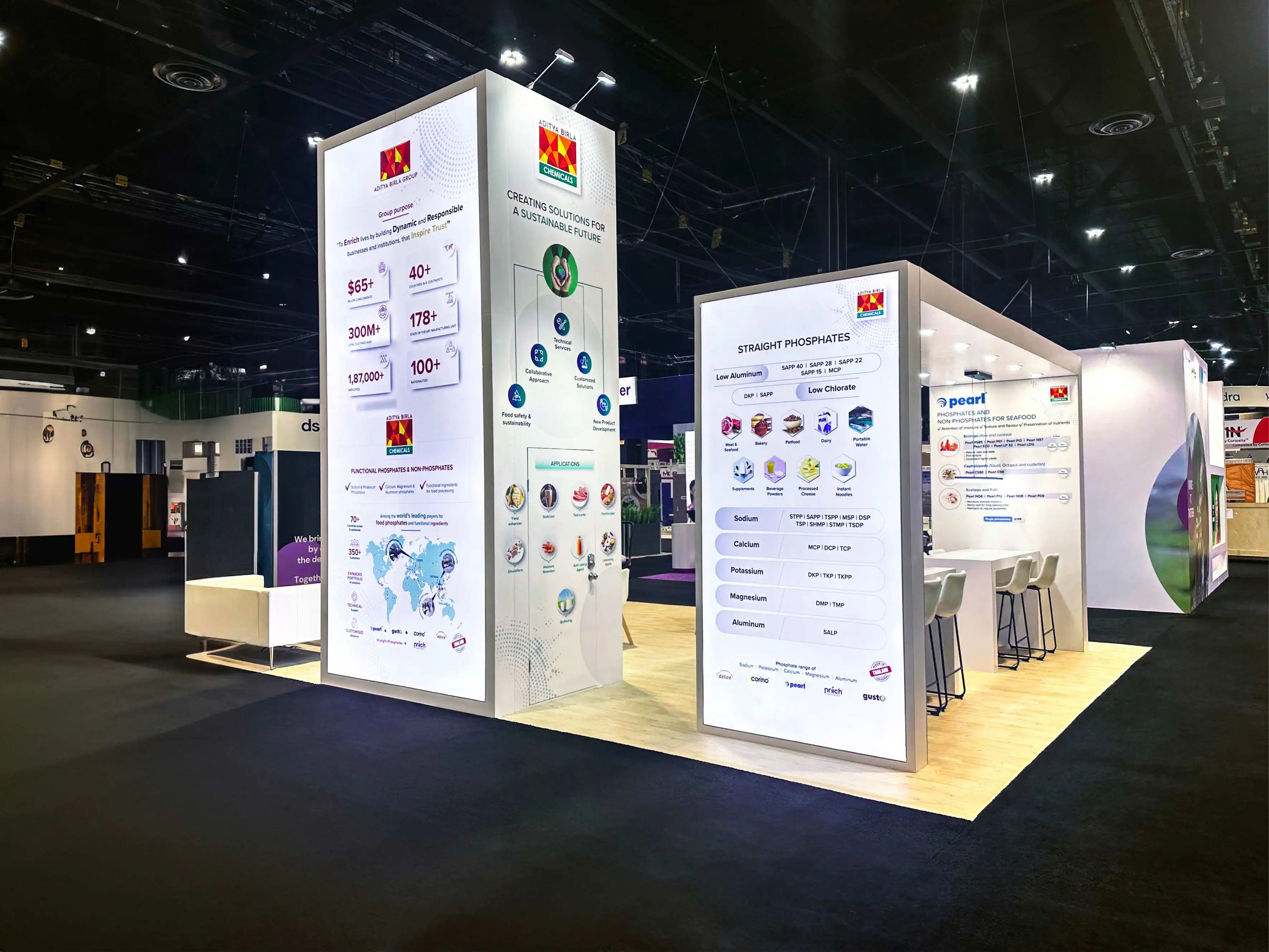
Custom Booth Designs vs Modular Booth Designs: Which is Best for Your IMTS Exhibit?
Picking between custom and modular methods is a big strategy choice that will have an effect on both the short- and long-term value. Knowing the main differences can help you make sure that your booth investment fits with your business goals.
Custom Booth Advantages and Considerations
Custom fabrication gives you unmatched business possibilities by making building that is completely unique and fits your needs. Complex shapes, built-in multimedia systems, and one-of-a-kind structural parts give buildings their own unique looks that modular systems can't copy. Custom builds are made to fit specific needs, like stages for displaying heavy equipment, custom lighting rigs, or building features that match the company's style. The initial cost varies a lot depending on how complicated the project is, but for good building, it usually starts around $150 to $200 per square foot.
When brand uniqueness is worth the extra cost, custom booths are great. This is especially true for companies trying to become market leaders or launching game-changing goods at big events like IMTS. The design freedom gives you full control over how visitors feel, making sure that every part fits with your strategic message. Custom builds, on the other hand, have longer lead times (10–14 weeks), cost more to store between shows, and are harder to plan for events with more than one show.
Modular Booth Benefits and Applications
Standardized parts that can be rearranged to fit different room sizes and plans are used in modular systems. Professional looks can be achieved with aluminum extrusions, tension cloth panels, and removable graphic panels. These options cost 30–50% less than similar handmade builds. The light materials cut down on drayage costs by a large amount, which is important because even small displays can cost over $1,000 to handle at big venues. If you keep up with maintenance, modular frames should last between 5 and 7 years. Graphic updates keep content up to date without having to replace structural parts.
These systems work great for businesses that show up at a lot of different events throughout the year. For example, makers who go to IMTS in September, FABTECH in the fall, and area industry shows will find these systems very useful. The same structure can be changed from a 10x20 setup in Chicago to a 10x10 setup at a local event, making the best use of all available resources. Experienced workers can put together modular booths in a fraction of the time it takes to build unique structures, which saves money on labor costs.
Cost Analysis and ROI Considerations
The initial buy price is only one part of the total cost of ownership. Other costs include storage, upkeep, refurbishment, and operations for multiple missions. Custom booths spread out their higher starting cost over many shows, and design changes keep them relevant. Modular systems are cheaper to get started with, but parts may need to be replaced as patterns change or as the company's brand is updated. To figure out ROI, you have to look at how well you generate leads, how your brand looks, and how much it costs to run your business. A manufacturing business that only shows up at IMTS every two years might be able to afford unique investment to lead their field, but a company that goes to 6–8 shows a year usually sees better returns through modular flexibility. Many exhibitors use a mix of handmade central elements (like product display platforms) and flexible perimeter structures to make their displays more useful and make them stand out.
Recommendations by Exhibitor Profile
Technology companies and new makers can often benefit from modular systems that give their products a professional look without using up all the money they need to develop new products. The flexibility lets the booth size grow as the business does. Companies that have been around for a while and have a strong brand often spend money on custom architecture that strengthens their place in the market and meets specific show needs. Original equipment makers (OEMs) often pick hybrid solutions that have both flexible freedom and areas where they can integrate custom products. Distributors who sell more than one brand like flexible systems because they can be easily changed to show off different product lines at different events throughout the year. These approaches reflect some of the best booth designs that balance versatility with brand consistency across multiple shows.
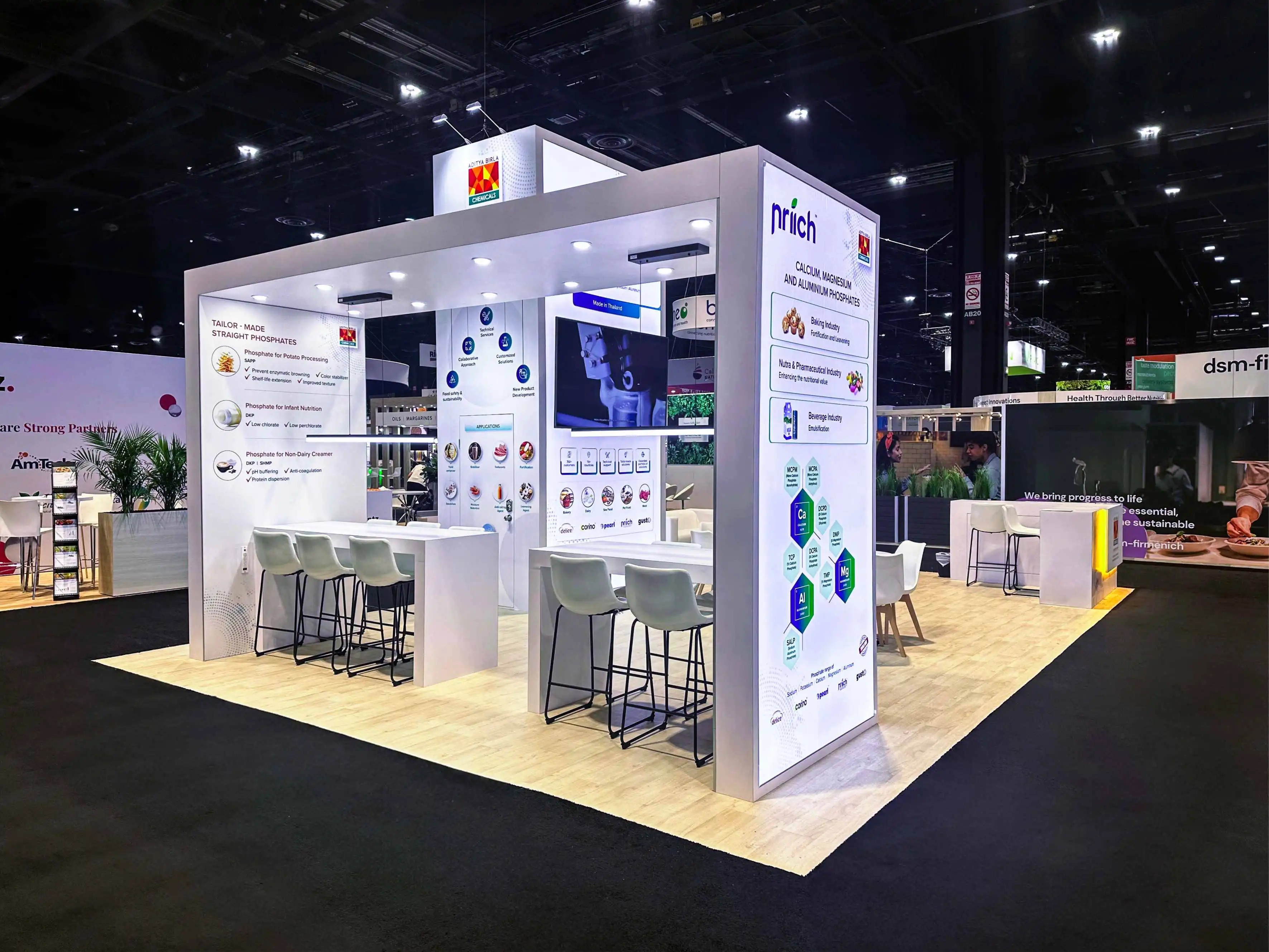
Where to Source the Best Booth Design Services and Suppliers for IMTS 2026?
Choosing the right stand design partner has a big impact on how well you do at the trade show. Because of how complicated it is to show at big places like Chicago's McCormick Place, you need people with a lot of experience who know how to both execute your ideas creatively and make sure everything runs smoothly.
Evaluating Booth Design Companies
Evaluation of a portfolio shows the designer's style, technical skills, and knowledge in the field. Look for companies that have done successful projects in the factory and technology sectors. These sectors have their own challenges when it comes to integrating equipment, making sure safety rules are followed, and meeting the needs of an expert audience. Some examples of project management skills, problem-solving methods, and the ability to meet tight schedules are shown through client comments and case studies. Check their credentials, such as their experience with union labor, ties with show managers, and knowledge of venue rules that are very different from one place to the next.
HR Exhibits Service, Inc. is a company based in Las Vegas that does business all over the United States. They specialize in bringing industrial and technology exhibits to life. Some of the big events we've worked on include helping IMTS exhibitors for a long time. At IMTS, we've made everything from small 10x10 modular designs for new makers to huge custom islands for Fortune 500 companies. We know exactly what procurement professionals want when they see demos of machinery and heavy equipment, as well as the level of expert knowledge they expect.
Service Packages and Transparent Pricing
With comprehensive service packages, you don't have to worry about arranging with multiple providers. Full-service options should include design advice, 3D models, engineering, manufacturing, graphic design, logistics planning, on-site setup, show services management, takedown, and storage after the show. This "turnkey" method works especially well for sellers who are more interested in building their businesses than in the details of project management. Transparent price systems make it clear which services are included and which ones aren't, which helps you stick to your budget and avoid unexpected costs.
Knowing how prices work can help you set reasonable goals. Fees for design consultations range from $1,500 to $3,500, based on how complicated the job is. Modular systems cost about $75 to 125 per square foot to build, while unique builds cost $150 to 250 or more per square foot. Installation labor, which is handled by union workers at McCormick Place, costs an extra $3,000 to $8,000, based on the size and complexity of the booth. Drayage, electricity, internet, and other show services are all different line items that are run by show contractors. Partners with a good reputation give thorough prices that include all the costs that are expected.
Local Support for Major U.S. Trade Shows
Being close to big exhibition sites has real benefits for controlling costs and being quick to respond. Local businesses offer better handling, shorter shipping distances, and quick responses to problems that arise on-site. HR Exhibits Service, Inc. helps exhibitors at big U.S. trade shows in a planned way, and they're especially good at western shows. Our building in Las Vegas is perfect for supporting the PRINTING United Expo, which takes place from September 23rd to September 25th in Las Vegas. Our national service network also includes full support for IMTS in Chicago, GSX Atlanta, and CEDIA in Denver.
We help both American participants and companies from other countries that need trusted U.S.-based partners for trade shows in the U.S. Our team takes care of the complicated logistics of foreign shipping, making sure that exhibitors from other countries have a smooth experience even if they aren't familiar with U.S. venue rules, union standards, and show contractor processes. This local knowledge is very helpful when organizing all the different parts of taking part in a big show.
Booking Consultations and Design Process
The design relationship starts with calls to talk about business goals, the group you want to reach, your main messages, and practical issues like where to put the booth, how big it should be, and your budget. Usually, initial ideas come up within 7–10 days, and they are improved over time with client input. Detailed 3D models give photorealistic samples that help stakeholders agree on what to do before the production process starts. Technical sketches make sure that the structure is sound and that the place follows the rules. This collaborative process, aimed at delivering best booth designs, typically takes 8 to 12 weeks from the first meeting to the finished product being ready to show.
Flexible acquisition choices accommodate different business methods and budgets. For exhibitors who do this a lot, buying makes sense because the cost can be spread out over more than one placement. Rental options are good for businesses that only want to show sometimes or that would rather spend their money on other things while still having a professional presence. A lot of clients use a mix of methods, where they own basic modular parts but rent more specialized parts for specific shows. HR Exhibits Service, Inc. gives all acquisition models with clear comparisons that help clients make choices that are in line with how often they want to show and their strategic goals.
Sustainable and Interactive Booth Design Examples to Inspire Your IMTS Exhibit
Environmental duty and technological sophistication are becoming more and more balanced in modern display design. Leading vendors show that engagement and sustainability are not opposites but rather goals that work together.
Eco-Conscious Material Integration
Bamboo composites are sustainable alternatives to traditional wood goods that are just as durable but have a much smaller effect on the environment. Recycled aluminum extrusions keep their structural integrity and have less carbon in them than new materials. Low-VOC paints and glues make the air inside better and meet stricter environmental standards for venues. Traditional vinyl uses create a lot of waste. But fabric images made with water-based inks on recyclable surfaces don't. These choices of materials meet the ESG requirements of companies while also meeting the requirements for professional shows in terms of appearance and strength.
A company from the Midwest that makes industrial machinery just showed off this method at IMTS with a 20x30 island booth made totally of reclaimed wood accents, recycled metal frames, and logos made of tension fabric. The design not only showed their commitment to business sustainability, but it also got a lot of attention in the media and on social media, showing that caring about the environment can improve brand stories instead of making them less interesting.
Interactive Technology Applications
Live data dashboards that show production metrics, quality figures, or operational efficiency factors in real time are very popular with people in the manufacturing industry. These dynamic screens show how advanced the technology is while also giving procurement workers useful information. Customizable product configurators let users choose features, define choices for machinery, and get rough quotes. This turns potential customers' interest into real sales chances. VR factory tours take potential buyers inside production facilities, where they can learn more about skills and quality systems than with static or video footage alone. Touchscreen screens with technical data downloads, case study access, and ROI tools add value and keep the talk going after the show floor. Gamification features, such as operational efficiency tasks, manufacturing process trivia, or competitive demos, make people stay on the site longer and create memorable experiences that help people remember the brand.
Energy-Efficient Lighting Systems
Smart LED systems with occupancy monitors and customizable plans use the least amount of energy while still looking good. Color-temperature variations keep the look the same even when the outside conditions change during show days. When compared to older flood-lighting methods, directional lighting uses less electricity and draws attention to important goods and brand elements. When compared to regular halogen or metal halide fixtures, these systems usually use 60–70% less energy. This means lower power costs and less need for generators in island booths.
Award-Winning Case Studies
Looking at examples of accepted greatness can help you plan your IMTS booth. A company that makes medical devices got praise from the industry for their environmentally friendly booth design, which used recycled materials, energy-efficient systems, and images production that produced no waste. The design got LEED event approval while keeping the clean, clinical look that was important for their business. Metrics on visitor engagement showed that the sustainable method improved lead creation rather than hurt it. A precision machining company used live CNC demos along with augmented reality (AR) graphics to show cutting processes that could not be seen with the naked eye. The combination of a real example with digital enhancements created a lot of interest. People stayed on the page for more than 12 minutes on average, which is longer than the industry average of 3–4 minutes. Compared to their last IMTS booth, the new one's design directly led to a 65% rise in quality leads, proving the value of advanced dynamic integration.
Conclusion
To make good best booth designs for IMTS 2026 Chicago, you need to think strategically about how to balance how the booth looks with how well it works. Immersive technology, eco-friendly materials, modular flexibility, and high-tech lighting are some of the trends that are affecting display design. These trends give tech and manufacturing businesses strong tools for getting people's attention and creating qualified leads. Working with skilled booth builders will make sure that your investment pays off, whether you choose custom construction for unique branding or modular systems for improved working efficiency. There are many exhibitions in September 2026 that give you the chance to show off your skills. Now is the perfect time to start planning your trade show strategy with partners who know how to be creative and get things done.
FAQ
Q1: What are the most important design factors for a successful IMTS booth?
A: Effective booth design is based on making sure that visitors can easily move from one area to another, that product display areas are easy to find, and that consultation areas are comfortable. Strategic lighting and vertical features create a visual order that makes it easy to see on crowded show floors. Material quality and finish details tell observant procurement professionals about a brand's standing. Interactive features and digital links get people more involved and give you information about which leads are qualified. Following McCormick Place's rules about height limits, fire safety, and electricity needs keeps you from having to make expensive changes on-site.
Q2: How should I budget between custom and modular booth options?
A: Most modular systems, which include images, cost between $75 and 125 per square foot. They offer professional results at reasonable prices and are great for using over and over again in different shows. Depending on how complicated they are, custom booths can cost $150 to $250 or more per square foot. This is a reasonable price to pay for unique branding or specific needs. Instead of focused only on the original purchase price, think about the total cost of ownership, which includes storage, repairs, and logistics over the course of your planned exhibition schedule.
Q3: Are sustainable materials cost-effective for trade show booths?
A: Modern ecological products work just as well as or better than traditional ones, and they often cost less to use as well. Compared to heavier traditional building, using lightweight systems like recycled aluminum and tension cloth cuts down on drayage costs by a large amount. LED lighting uses less energy and costs less to replace bulbs. Durable, eco-friendly materials cut down on how often things need to be fixed up. Some high-end sustainable materials have higher starting costs, but lifecycle analysis usually shows good economics, especially when company ESG goals and brand image benefits are taken into account.
Partner With Expert Booth Design Suppliers for IMTS 2026 Success
HR Exhibits Service, Inc. offers complete booth design and building services that are made to fit the needs of technology and industry exhibitors. Our facility in Las Vegas and our ability to provide service across the country make sure that everything goes smoothly whether you're showing at IMTS Chicago, PRINTING United Expo in Las Vegas, or any other big U.S. trade shows in September 2026 or later. We help both U.S. companies and foreign exhibitors who need solid U.S.-based partnerships. We take care of everything, from the initial design advice to on-site installation and logistics after the show. Get in touch with our team at info@hrexhibits.com to talk about your IMTS 2026 needs and find out how our skills in both creative design and operational delivery can turn your trade show involvement into real business results.
References
1. Smith, J. & Anderson, R. (2025). Trade Show Marketing Excellence: Strategies for Manufacturing Sector Success. Industrial Marketing Press.
2. Thompson, M. (2024). "Sustainable Exhibition Design: Environmental Innovation in B2B Events." Journal of Exhibition and Event Management, 18(3), 142-167.
3. Williams, K. (2025). Modular vs. Custom: Strategic Decisions in Trade Show Architecture. Events Industry Publications.
4. Martinez, L. & Chen, P. (2024). "ROI Metrics for Industrial Trade Show Participation: IMTS Longitudinal Study." B2B Marketing Quarterly, 29(4), 88-115.
5. Johnson, E. (2025). Interactive Technologies in Exhibition Environments: Engagement Strategies for Technical Audiences. Technology Marketing Institute.
6. Davis, H. & Foster, G. (2024). "Logistics Optimization in Trade Show Execution: Cost Control Through Strategic Planning." Exhibition Management Review, 12(2), 203-229.

Embark on Your Journey to Exceptional Exhibitions! Contact HR Exhibits Today to Transform Your Vision into Global Success.
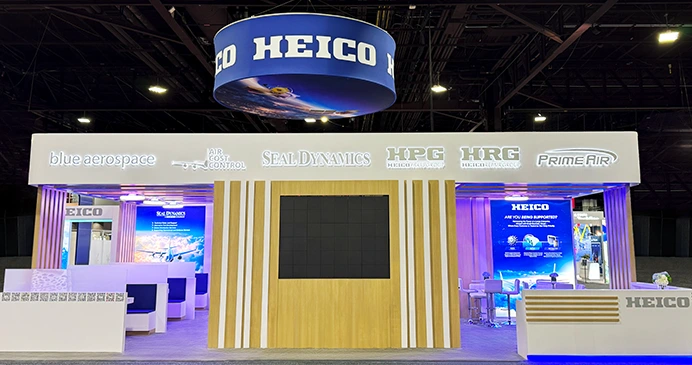
HR Exhibits Service, Inc.