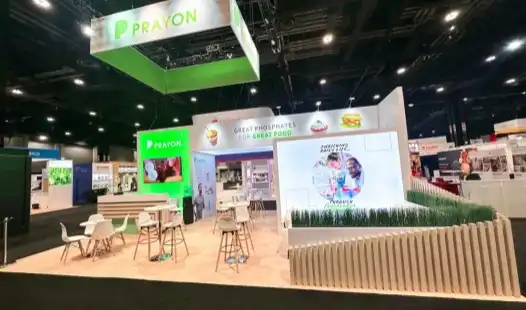
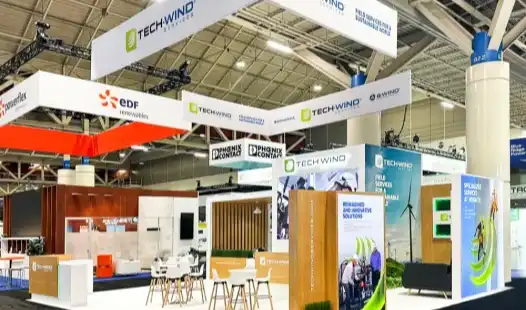
IFT FIRST 2026: 5 Booth Designs That Attract Food Scientists
Food scientists need exhibition places that were designed by experienced booth designers who know how to bring together food science innovation and business-to-business involvement in a way that makes sense. The best designs use materials that are safe for cleanliness, areas where people can connect with displays of products, and environmentally friendly building methods that appeal to this technically savvy audience. Professional booth design specialists create spaces where cutting-edge food technology meets strategic spatial planning. They turn casual attendees into qualified leads through thoughtful architecture and brand storytelling that speaks directly to people who make purchasing decisions in the food and beverage industry.
Understanding the Key Elements of Booth Design that Appeal to Food Scientists
Food science workers go to IFT FIRST with specific goals in mind, such as looking at new food technologies, comparing processing equipment, building relationships with suppliers, and keeping up with changes in regulations. Your display place needs to be designed in a way that makes it easy for people to do these research-driven activities, like gathering information and evaluating it technically.
Prioritizing Hygiene and Safety Standards
Food scientists naturally know how to keep things clean and how to avoid disease. This group of people should be drawn to exhibition spaces that have non-porous surfaces, smooth floor changes, and materials that look clean. With high-gloss laminates, stainless steel details, and light color schemes, spaces feel more like they belong in a lab than just for looks. These design choices show that your business understands the culture of food safety, which gives you instant trust with quality assurance managers and production leaders who are looking at possible partnerships.
Incorporating Sustainable Materials and Practices
Sustainability used to be a business benefit, but now it's just expected in the food science community. Leading companies now give more weight to sellers who can show they care about the environment by taking actions that can be measured. People who care about the environment can see that the exhibition spaces were made with FSC-certified wood, recycled aluminum frame systems, and water-based inks on tension cloth images. Along with choosing the right materials, modular building methods that let booths be used at more than one exhibition show long-term sustainability thought that connects with corporate procurement teams that use environmental criteria in their vendor scorecards.
Facilitating Technical Demonstrations and Sampling
Food science events need practical places for professional review, while consumer-focused exhibitions use emotional appeal to get people interested. Good exhibition designs set aside areas for testing out products, showing off tools, and giving expert talks. For food preparation, these places need to have enough air flow, enough electricity for processing equipment, and well-planned sight lines that draw people in and allow for hands-on interactions. Skilled booth designers ensure that spatial planning finds a balance between open spaces that encourage discovery and clearly marked areas that can hold product demonstrations without causing traffic jams during rush hours.
Top 5 Booth Designs That Will Captivate Food Scientists at IFT FIRST 2026
We've designed and built exhibition spaces for clients in the food and beverage business at many big North American trade shows. Based on that experience, we've found five different strategies that consistently get people interested and turn them into leads at events like IFT FIRST.
Interactive Innovation Hubs
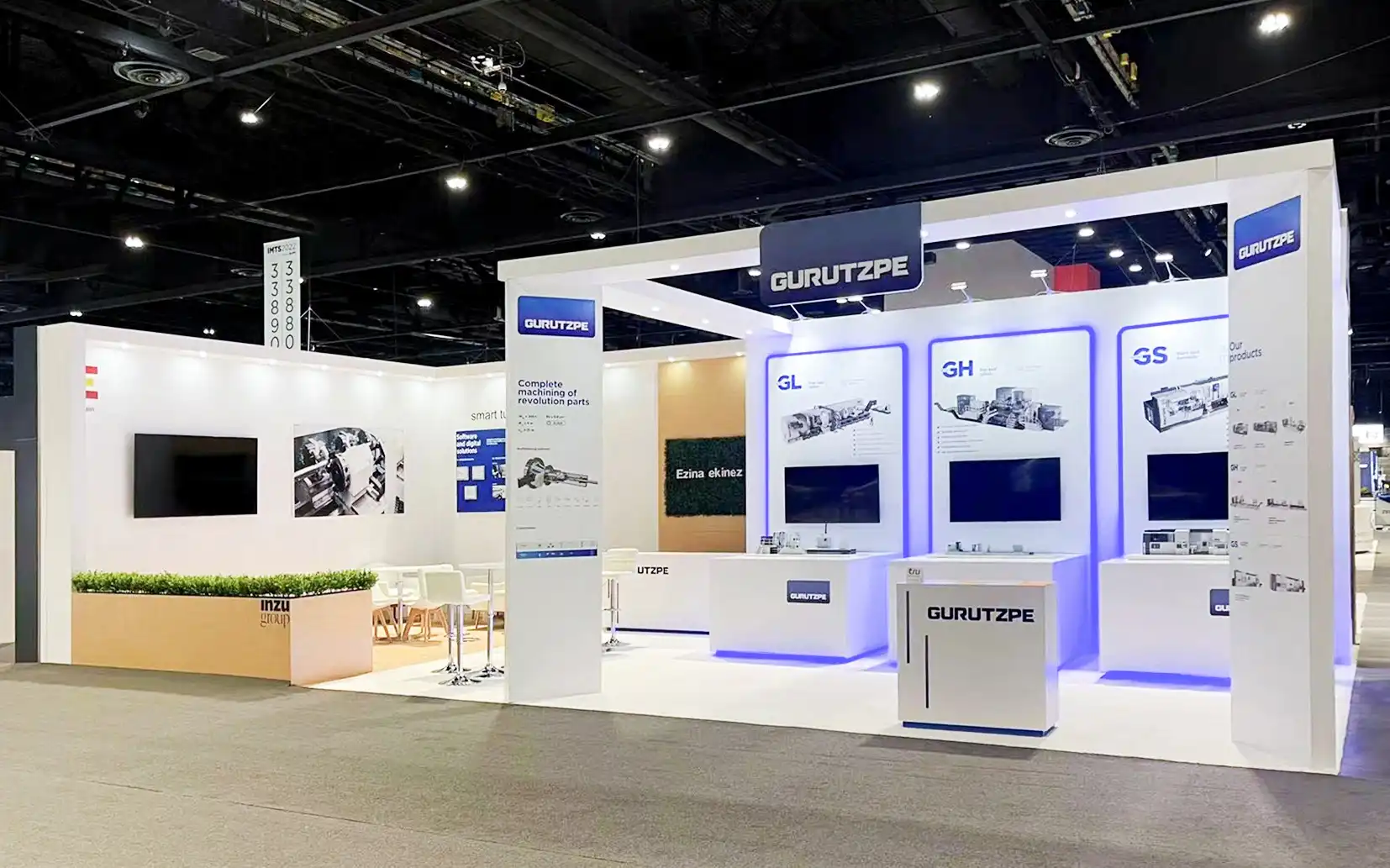
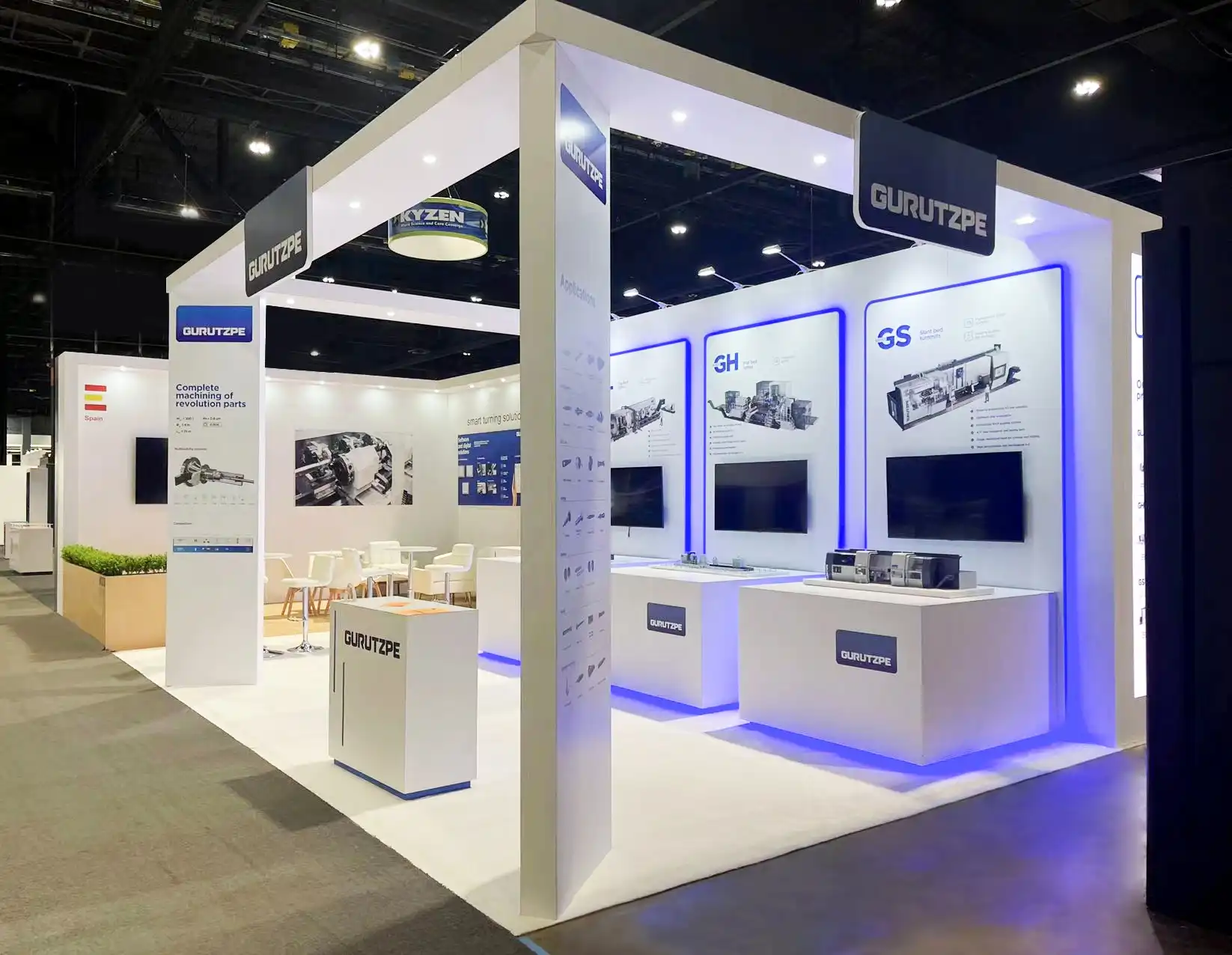
With these styles, your booth is more of a place to go than a thing to look at. There are central display kitchens or processing zones in interactive innovation hubs where people can watch your ingredients or tools in action. Around this central point, outlying areas provide product details, technical specs, and private meeting rooms for more in-depth talks. This plan makes it easy for visitors to move from the first draw to the technical evaluation and qualifying talks. We've created Innovation Hub layouts that range from 20x20 places for new ingredient suppliers to 40x60 custom setups for international processing equipment makers. Each layout was designed to meet the display needs and traffic capacity needs of the client.
Modular and Scalable Systems
Modular display systems are great for exhibitors who want to save money and companies that go to a lot of events every year. These designs use aluminum frames that can be rearranged and graphic panels that can be switched out. This way, the core structure can be used for booths of different sizes and for different types of shows. At a regional food science meeting, a 10x20 inline booth can be expanded to a 20x30 island booth at IFT FIRST. For foreign exhibitions, the booth can be reconfigured again. This method cuts long-term display costs by a huge amount while keeping a professional look. Our Las Vegas site has a large collection of modular parts that can be quickly customized. This means that international shipping delays don't happen for foreign exhibitors at North American food science events.
Eco-Friendly Sustainable Designs
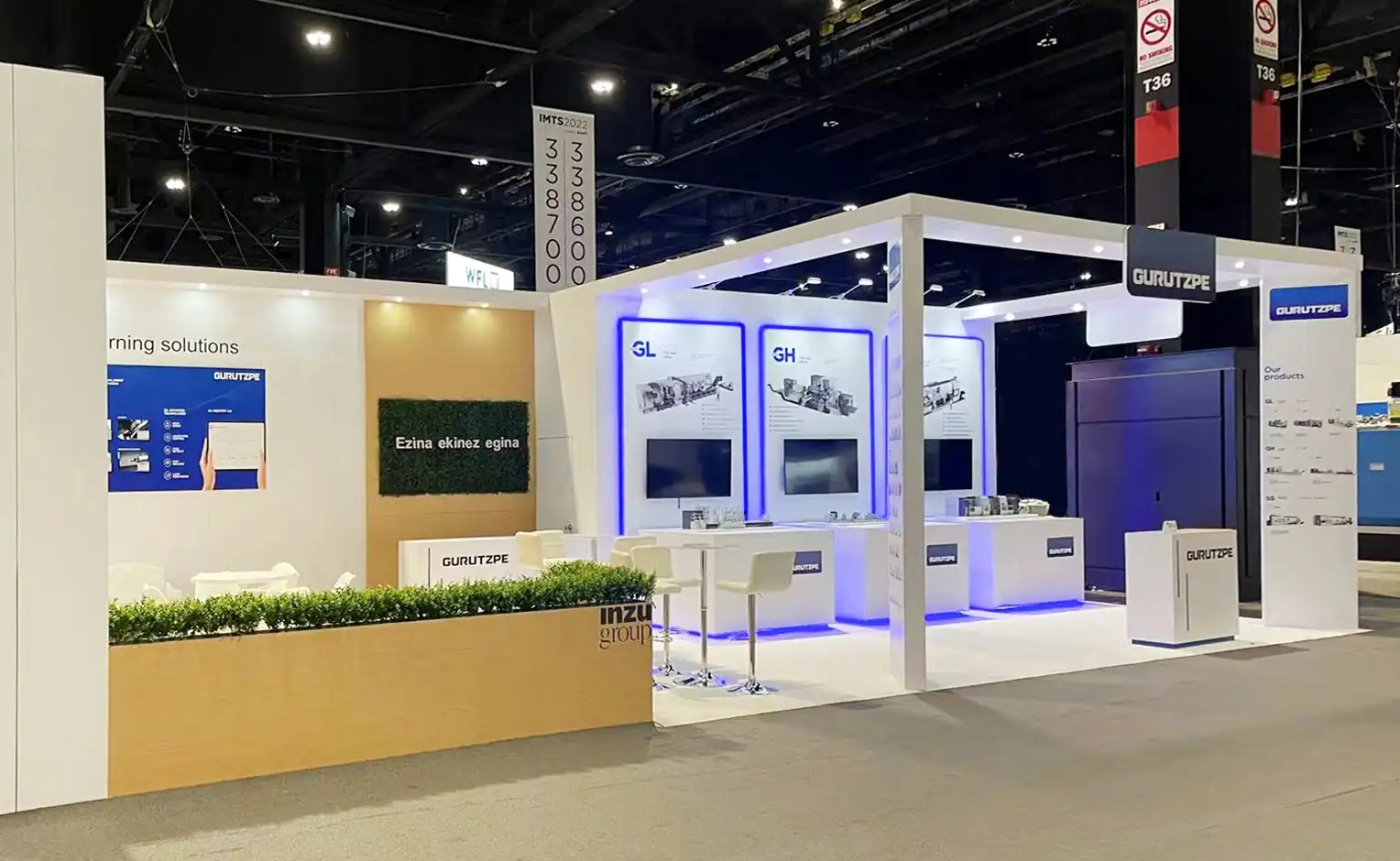
Sustainable displays that are purpose-built go beyond standard modular reusability to show how environmental innovation is a core part of a brand's message. There are live plant walls, recycled wood elements, and clear messages about sustainability built into the architecture in these plans. Light systems use LED technology that uses less energy and have customizable settings that lower the power use when there isn't much activity. The products used to make the furniture are either approved sustainable or have been used before. We've built fully biodegradable display spaces using panels made from farm waste and plant-based adhesives for clients in the natural and organic foods industries. This made sure that the booth building and product placing were perfectly in sync.
Minimalist Open Layouts
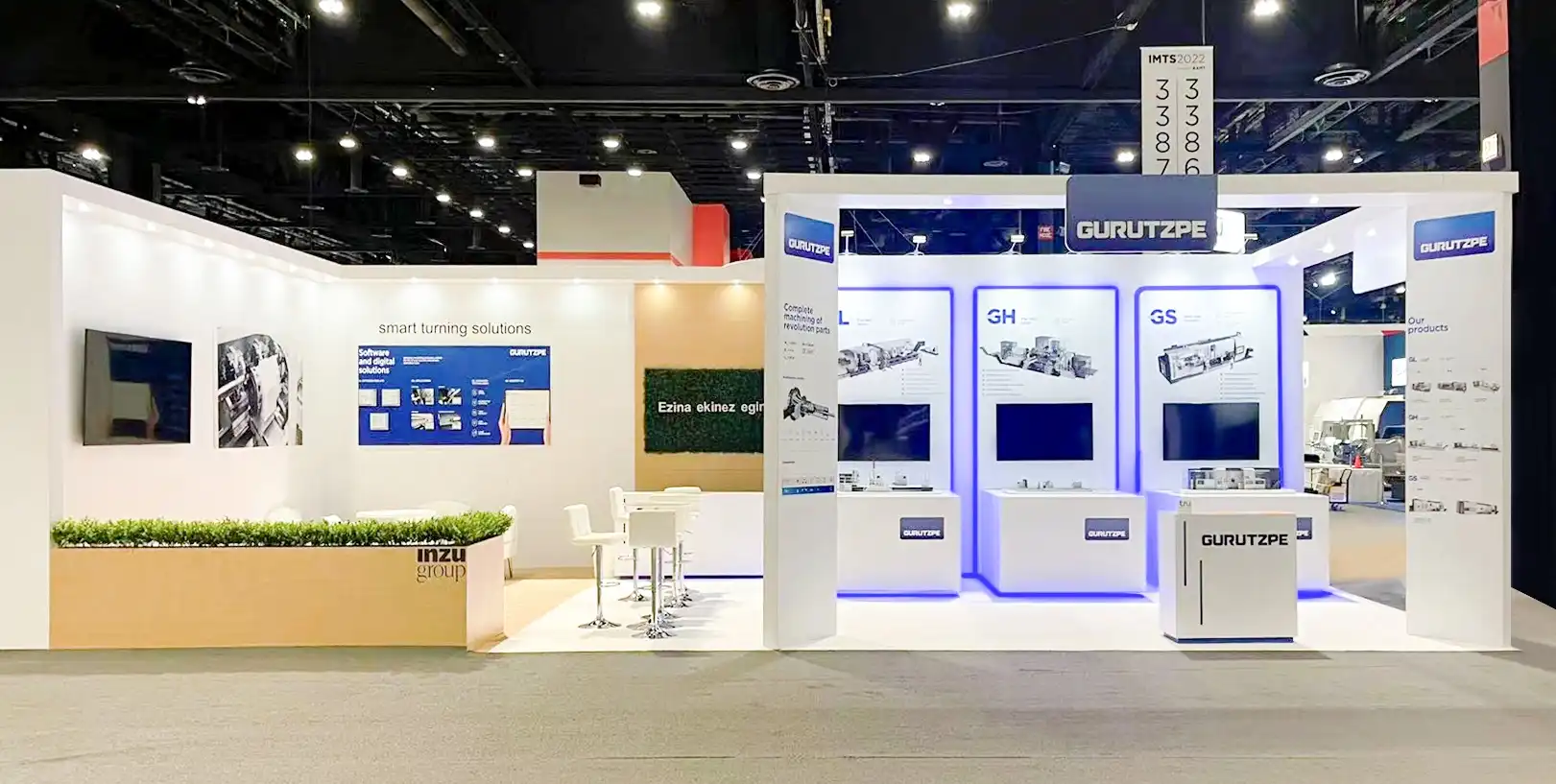
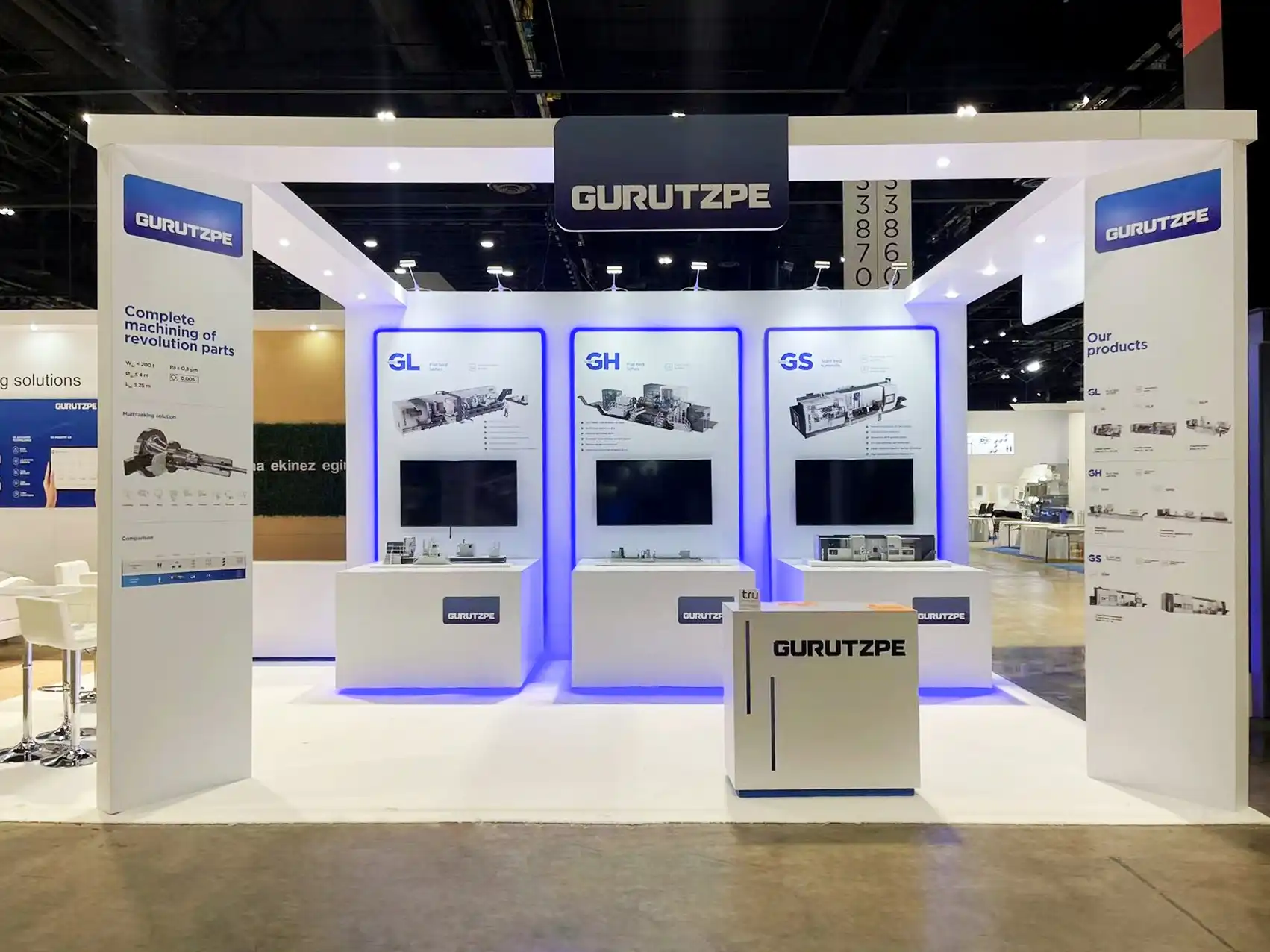
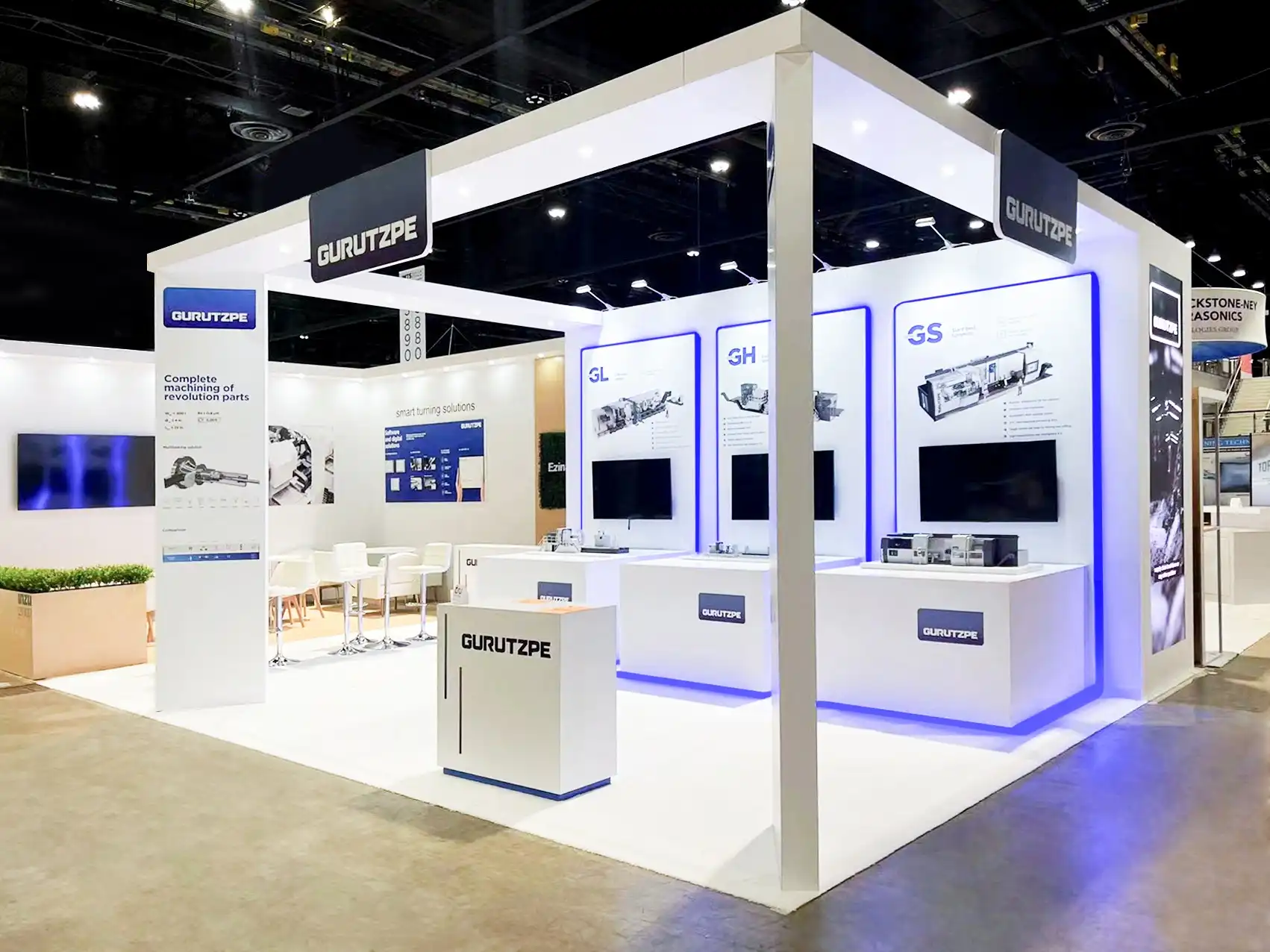
Some food science businesses, especially those that offer services instead of real goods, do better with simple designs that put talk over demonstration. There are clean lines, lots of empty space, and well-chosen product displays in these designs that keep things from looking too crowded. Consulting firms, testing labs, and software companies that work with the food business do very well with open plans. The clean space shows that you are sophisticated, and your team's skills can stand out without having to compete with fancy displays. Experienced booth designers use smart furniture placement to create semi-private talk areas without any physical hurdles that might make people less likely to approach at first.
Digital-Integrated Experience Centers
Large-format video walls, touchscreen product choices, augmented reality demos, and virtual reality factory tours are all things that modern display places have. In addition to looking good, these digital elements are useful because they let businesses show off their processing facilities, equipment that is too big to move physically, and complicated technical data through interesting visualizations. We've added 12-foot-long LED walls that show real-time production data feeds, augmented reality stations where people can virtually control processing equipment, and virtual reality experiences that take people to farming source sites. The important thing is to make sure that technology improves human contact instead of replacing it. For example, you can use digital tools to screen visitors and make it easier for your technical team to have useful talks.
How to Select the Right Exhibition Partner for IFT FIRST 2026?
Picking the right design and building partner has a big effect on how well your IFT FIRST project turns out, from the first original ideas to the final disassembly and storage.
Evaluating Industry Experience and Portfolio Depth
Building exhibitions involves a lot of different specialized fields, each with its own set of rules and cultural standards. Partners with documented experience in the food and beverage industry know the importance of hygiene, the logistics of sampling, and the technical demonstration needs that are unique to events like IFT FIRST. Look at portfolio work from previous food science exhibitions, paying close attention to the level of design sophistication, the quality of the materials used, and the functional planning of the space. Companies that have exhibited medical devices or manufactured goods before often do well in food science because they are used to quality control and are aware of regulations that affect design decisions.
Assessing Service Scope and Geographic Capabilities
For big convention center shows, planning, getting permits, building, wiring, plumbing, audiovisual, and transportation all need to be carefully coordinated. Full-service show partners take care of all of these interconnected parts through established vendor networks and site relationships, which makes your team's job easier when it comes to paperwork. When you show your work in a market other than your home market, where you are located is very important.
Our Las Vegas factory and local team at HR Exhibits Service, Inc. are big benefits for businesses that come to trade shows all over North America. We take care of the problems that come with international shipping, work around the union rules at big convention centers, and offer storage options between exhibitions. These are services that are especially useful for foreign companies that want to enter the U.S. market through strategic exhibition involvement.
Understanding Cost Structures and Value Alignment
Investing in an exhibition includes fees for the initial design, building costs, making images, supplies, labor for setting up the exhibit, and services after the show. Transparent partners give thorough proposals that separate these types of costs, which lets you make accurate budget plans and comparison shop in a useful way.
When plans group costs together without breaking them down, be careful because they often hide gaps or lead to charges you didn't expect. The lowest price rarely gives you the best deal. Instead of just looking at the total cost, you should also look at the quality of the materials, the way they will be built, how realistic the timeline is, and how much help there will be after the sale. Companies that buy higher-quality modular systems that can be used for more than one show often have lower per-show costs than companies that keep building useless custom structures.
Best Practices for Designing Exhibition Booths That Convert Leads into Clients
Without planned attention to visitor experience and lead management integration, even show areas that look great won't bring in enough money. These practical factors should guide design choices from the start of coming up with an idea.
Optimizing Traffic Flow and Engagement Zones
Successful show places plan their guests' paths, from the initial draw to the qualification process to the follow-up schedule. Put your most interesting visuals, like dramatic images, product demos, or digital displays, near the main lanes to get people's attention. Make clear starting points that let people explore without pushing them to commit.
Once you're inside, set up functional zones that go from general information to technical examples to private meeting rooms. This spatial hierarchy lets users decide for themselves whether they are serious prospects or casual researchers. Serious prospects will automatically move towards greater contact with your technical team.
Implementing Lead Capture Technology
To be successful at a modern show, you need to collect leads in a planned way and follow up quickly. Add technology solutions like badge readers, tablet-based qualification forms, or touchscreen product choices that collect contact information right into the design of your show. Place these tools in a way that encourages involvement naturally, rather than making forced interaction requirements.
The best systems work with your CRM platform to set off automatic follow-up processes and let your sales team decide which leads to contact first based on how interested they are. We plan exhibition areas that have separate power and data infrastructure for these technologies, so there aren't any obvious wire runs that take away from the look of the room.
Meeting Health and Safety Requirements
Standards for exhibitions after a pandemic stress air flow, exchanges without touching, and clear sight for sanitization. Even though the rules have loosened since the peak protocols of 2021–2022, health-conscious design elements are still affecting how comfortable attendees are. Food tasting places should have clear rules about cleanliness, like using gloves, putting samples in clear bags, and having clear sanitizer stations. Having enough space between people in demonstration zones keeps them from getting too crowded during popular talks. Because of these practical concerns, space planning needs to happen during the design stages, instead of adding things at the last minute that mess up the flow and look bad.
Future Trends in Exhibition Design for Food Science Events Beyond 2026
The show business is changing quickly because of new technologies, the need to be environmentally friendly, and shifting public standards. Knowing about new trends can help you make smart investment decisions that will make your show assets last longer.
Personalization Through Data and AI
More and more, advanced shows will use data about attendees to tailor experiences in real time. Imagine exhibition halls that can recognize returning guests, remember what they talked about before, and instantly show them relevant product information based on their company background and past interests.
AI-powered systems can look at traffic trends, pick out high-value leads based on how long they stay on the site and how much they interact with it, and then tell the sales team how to reach them first. For these features to work, booth designers need to equip show designs with strong digital infrastructure, such as fast internet connections, built-in sensor networks, and flexible content management systems that let material be updated on the fly during the event.
Deepening Sustainability Commitments
Environmental demands will keep rising, going beyond the current standards for choosing materials and reusing them to include full lifecycle analysis and carbon tracking. In the future, shows might need proof of carbon offsets, set minimum amounts of recycled content, or use deposit systems to encourage people to return and restore materials. Companies that want to be ahead of the curve should buy truly flexible systems that have 10-year lifecycles, work with partners who are committed to sustainable practices, and show that their products are better for the environment through measurable measures instead of vague marketing claims.
Hybrid and Extended Reality Integration
Even though physical displays are still the best way to build relationships and try out products in real life, hybrid features will help increase reach and return on investment. In the future, IFT FIRST displays could livestream technical talks to people around the world, offer virtual booth tours for people who can't make it in person, or build digital twins that can be accessed between events. For these features to work, exhibitions need to be designed as both physical spaces and digital content stages. They need to have professional lighting, built-in cameras, and soundproofed show areas that work well for both in-person and online audiences.
Conclusion
Your participation in the show at IFT FIRST 2026 requires a substantial investment and a smart approach to planning, building, and running the event. We looked at five different booth design ideas: Interactive Innovation Hubs, Modular Systems, Eco-Friendly Designs, Minimalist Layouts, and Digital-Integrated Centers. Each has its own benefits, based on your business, products, and market place.
To be successful, you need to work with experienced booth designers who have a lot of experience, know what the food science industry expects, can handle the complicated logistics of a convention center, and can help you stick to your budget and schedule. Thoughtful design choices you make today will affect how people see your brand and how many leads you get during the important July show time.
FAQ
Q1: Why should I work with professional booth designers rather than attempting in-house design?
A: Professional display experts bring a wide range of technical knowledge, including structural engineering, venue code compliance, union labor coordination, and material specs, that have a big effect on both how things look and how much money they cost. The most important thing is that experienced booth designers can take vague brand ideas and turn them into three-dimensional settings that work well for the way people in the food science field behave and evaluate things at events like IFT FIRST 2026.
Q2: How long does the design and construction process typically require for IFT FIRST 2026?
A: From the first ideas to the finished installation, the whole process of making a show usually takes three to five months, but this depends on how complicated the project is and how much customization is needed. Along with design advice and idea development, thorough engineering and venue permits, graphic design, structural manufacturing, logistics planning, and on-site installation labor are all part of this schedule. Companies that want to display at IFT FIRST 2026 should start talking to potential partners about design and partner selection no later than February 2026.
Q3: Can exhibition designs accommodate specific hygiene and sustainability requirements important to food science companies?
A: Of course. Trustworthy show partners often change the materials used, the way the surfaces are treated, and the building methods used to meet the unique needs of each client. Food science vendors often ask for surfaces that don't absorb moisture, floors that don't have seams, stainless steel parts, and finishes that can be cleaned according to standard procedures. Some sustainability requirements could be approved sustainable wood, recycled aluminum frame, water-based graphic inks, and flexible building that lets the show be used for more than one occasion.
Partner with HR Exhibits Service, Inc. for Your IFT FIRST 2026 Success
At HR Exhibits Service, Inc., we create exhibition spaces for manufacturers, medical device companies, technology innovators, food and drink companies, and brands from many different businesses that are taking part in big North American trade shows. Companies that are exhibiting at events in the US, Canada, and Mexico can benefit greatly from our production site in Las Vegas and our experienced local team. We take care of all the problems that come with foreign shipping, understand the complicated needs of convention centers, and provide full services from the initial original ideas to the final disassembly and storage between shows.
Our method blends great creativity with reliable logistics. We've built flexible systems for equipment makers, interactive showcase kitchens for ingredient suppliers, and environmentally friendly exhibition spaces for organic food brands. Each project shows that we have a deep understanding of how food science professionals choose partners. We offer solutions that fit your goals, timeline, and budget, whether you're the founder of a startup working with limited funds or the marketing manager for a large company in charge of activating a brand on a large scale.
Get in touch with us at info@hrexhibits.com to talk about your plans for the IFT FIRST 2026 show. We'll look at your product line, brand positioning, and lead generation goals, and then we'll suggest design methods that are best for your case. Our show booth designers and manufacturers work together with your team to give you clear pricing, realistic deadlines, and reliable execution that turns going to an exhibition from a logistical problem into a real chance to grow your business. Let's set up an exhibit that brings in food scientists, makes it easy for them to talk about technical issues, and creates qualified leads throughout the July 2026 event.
References
1. Institute of Food Technologists (2025). "IFT FIRST Annual Meeting & Food Expo: Exhibitor Prospectus and Planning Guide." IFT Publications, Chicago, IL.
2. Trade Show Executive (2024). "Lead Generation Metrics and ROI Measurement in B2B Technical Exhibitions." TSE Research Reports, Vol. 18, Issue 3, pp. 45-62.
3. Exhibition Industry Research Center (2025). "Sustainability Practices in Modern Trade Show Construction: Material Selection and Lifecycle Analysis." EIRC White Paper Series, Louisville, KY.
4. Center for Exhibition Industry Research (2024). "Attendee Behavior Patterns at Food Science and Technology Trade Shows." CEIR Report #SR-2024-08, Dallas, TX.
5. McCormick Place Convention Center (2025). "Exhibitor Services Manual: Technical Specifications and Labor Requirements." SMG Chicago Convention Facilities, Chicago, IL.
6. Freeman Company (2024). "Interactive Technology Integration in Modern Exhibition Design: AR, VR and Digital Engagement Tools." Freeman Research Group Industry Report, Dallas, TX.
Embark on Your Journey to Exceptional Exhibitions! Contact HR Exhibits Today to Transform Your Vision into Global Success.
HR Exhibits Service, Inc.