Designing Impactful Experiential Trade Show Booths
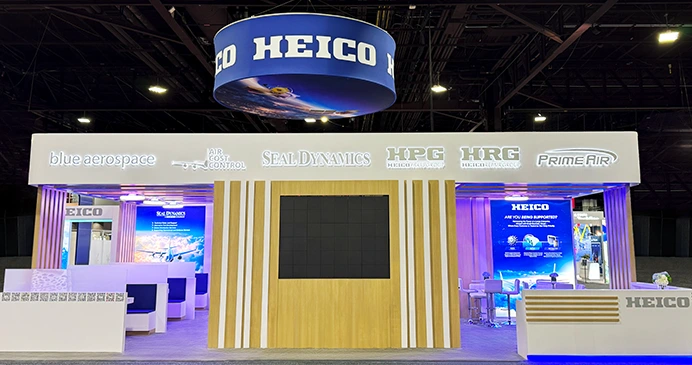
Creating an experiential trade show booth requires a strategic approach that combines creativity, technology, and brand messaging. The goal is to craft an environment that not only showcases products or services but also immerses visitors in a brand experience. This immersion can be achieved through various means, such as interactive displays, virtual reality demonstrations, or hands-on product trials.
Incorporating Interactive Elements
Interactive elements are essential for creating engaging and memorable experiential trade show booths. These features allow visitors to actively participate in the booth environment, rather than passively observing displays. Examples include touch screens that provide product information, augmented reality experiences that overlay digital content onto physical displays, or gamified activities that challenge visitors to complete tasks related to your brand.
For instance, a technology company could offer a virtual reality simulation where attendees explore new software features or test solutions in a controlled environment. Thoughtfully designed interactive elements not only capture attention but also reinforce brand messaging, increase dwell time, and create meaningful connections with visitors.
Utilizing Multi-Sensory Experiences
Multi-sensory experiences elevate the impact of a trade show booth by engaging visitors on multiple levels beyond just visual stimulation. Incorporating sound, touch, smell, and even taste can make the booth experience more immersive and memorable. For example, a food exhibitor might use enticing aromas and samples to draw visitors in, while a textile brand could allow attendees to feel the quality and texture of fabrics firsthand.
Soundscapes, motion, and interactive lighting can further enhance the environment, creating an emotional connection to the brand. By engaging multiple senses, exhibitors can make their messaging more memorable and ensure that visitors leave with a deeper appreciation of the brand.
Creating Instagrammable Moments
In today’s social media-driven world, designing visually striking and "Instagrammable" moments in your booth can amplify engagement and extend your reach beyond the trade show floor. Thoughtful placement of photo-friendly backdrops, interactive installations, and dynamic lighting encourages visitors to capture and share their experience online. These user-generated posts not only increase brand visibility but also create authentic promotion and social proof for your products or services.
Incorporating unique visual elements or engaging props ensures that visitors have memorable experiences worth sharing. By designing for shareability, exhibitors can maximize the impact of their booth, attract more foot traffic, and generate organic buzz during and after the event.
Leveraging Technology in Trade Show Booths
Technology plays a pivotal role in creating immersive experiences within trade show booths. From augmented reality to artificial intelligence, cutting-edge tech can transform a standard booth into an unforgettable brand experience. The key is to use technology purposefully, ensuring it enhances rather than overshadows your core message.
Augmented and Virtual Reality Applications
Augmented Reality (AR) and Virtual Reality (VR) have revolutionized how exhibitors engage attendees in trade show booths, providing immersive experiences that go beyond traditional displays. AR overlays digital information onto the physical space, enabling visitors to explore products interactively or visualize data in three dimensions. VR transports attendees to entirely virtual environments, allowing them to experience scenarios or walk through spaces that cannot physically fit in a booth.
For example, an architectural firm might use VR to let visitors explore a building design virtually, or a machinery manufacturer could provide a virtual demonstration of complex equipment. These technologies create memorable experiences and deepen understanding of your offerings.
Interactive Touch Screens and Kiosks
Interactive touch screens and kiosks are essential tools for engaging visitors while conveying key information efficiently. Large-format touch screens can host digital catalogs, product demonstrations, or interactive presentations that allow attendees to explore at their own pace. Visitors can customize products, access detailed specifications, or participate in gamified activities, making the experience more personal and memorable.
In addition, these installations can incorporate lead capture capabilities, gathering valuable data on visitor interests and behavior. By combining interactivity with functionality, touch screens and kiosks enhance engagement, extend dwell time, and provide actionable insights for post-show follow-ups, strengthening the overall trade show strategy.
Artificial Intelligence and Chatbots
Artificial Intelligence (AI) and chatbots elevate trade show booths by offering personalized, real-time support to visitors. AI-powered systems can answer common questions, provide tailored product recommendations, or guide attendees through booth experiences. Chatbots can be integrated into touch screens, mobile apps, or even humanoid robots, delivering a futuristic and efficient engagement method.
This technology frees human staff to focus on high-value interactions while ensuring visitors receive instant assistance. AI can also track visitor behavior and preferences, generating insights that inform future booth design and marketing strategies. When deployed thoughtfully, AI enhances visitor satisfaction and creates a seamless, intelligent booth experience.
Measuring Success and ROI of Experiential Booths
While creating an engaging experience is crucial, it's equally important to measure the effectiveness of your experiential trade show booth. Establishing clear metrics and implementing robust tracking mechanisms can help you quantify the return on your investment and refine your approach for future events.
Defining Key Performance Indicators (KPIs)
Establishing clear and measurable Key Performance Indicators (KPIs) before a trade show is essential for evaluating the success of your experiential Trade Show Booths. KPIs may include metrics such as booth foot traffic, number of qualified leads captured, social media engagement, email sign-ups, or even immediate sales conversions.
By defining these objectives in advance, exhibitors can tailor booth design, interactive elements, and staff engagement strategies to achieve desired outcomes. Setting precise KPIs ensures that both the planning and execution of the booth are aligned with business goals. Additionally, having concrete targets allows for objective evaluation of performance and informed decision-making for future trade shows.
Implementing Tracking Technologies
To accurately measure booth performance, exhibitors can deploy a variety of tracking technologies. RFID or NFC-enabled badges track visitor flow, dwell times, and repeat interactions, providing insights into which areas attract the most attention. Digital lead capture tools simplify the collection of attendee information and preferences, reducing manual errors and increasing efficiency.
On-site and post-event surveys offer qualitative feedback, revealing visitor impressions, satisfaction levels, and suggestions for improvement. Integrating these technologies ensures that every interaction is monitored, enabling data-driven decisions. By combining quantitative and qualitative tracking, exhibitors gain a holistic understanding of booth effectiveness and attendee engagement.
Analyzing and Acting on Data
After the trade show concludes, a detailed analysis of collected data is crucial for optimizing future experiential booths. Examine visitor behavior patterns, popular booth areas, engagement with interactive elements, and the performance of staff interactions. Identify which components of the booth most effectively communicated the brand message and which areas may need adjustment.
Use these insights to refine booth layout, technology integration, and marketing strategies for subsequent events. Continuous iteration based on data ensures that each experiential booth becomes more impactful, efficient, and aligned with business objectives. Ultimately, leveraging analytics enhances ROI and maximizes the effectiveness of trade show participation.
Conclusion
Experiential trade show booths represent a powerful evolution in exhibition marketing. By creating immersive, interactive environments, brands can forge deeper connections with attendees, leaving lasting impressions that extend far beyond the event itself. The key to success lies in thoughtful design, strategic use of technology, and a clear focus on measurable outcomes. As trade shows continue to evolve, those who master the art of experiential marketing will find themselves at a significant advantage, creating memorable brand experiences that resonate with their target audience long after the event has concluded.
Ready to elevate your trade show presence with an unforgettable experiential booth? HR Exhibits specializes in creating custom, immersive experiences that bring your brand to life. Our team of experts combines creativity with cutting-edge technology to design and build booths that not only attract attention but also engage visitors in meaningful ways. From concept to execution, we handle every aspect of your trade show presence, ensuring a seamless and impactful experience. Don't just attend your next trade show – dominate it with a booth that tells your brand story in an unforgettable way. Contact HR Exhibits today at info@hrexhibits.com to start planning your next experiential trade show booth.
FAQ
What services does HR Exhibits offer for trade show booths?
HR Exhibits provides comprehensive services including custom booth design, fabrication, graphics, logistics, installation, and dismantling. We also offer rental options for furniture, AV equipment, and lighting to create complete booth setups.
How far in advance should I contact HR Exhibits for a trade show project?
Ideally, clients should reach out 3-5 months before the event. However, our team is flexible and can handle urgent projects as well.
Does HR Exhibits offer storage solutions for booth materials?
Yes, we provide convenient local storage options for booth materials, ensuring long-term support for future events.
References
1. Smith, J. (2023). "The Evolution of Experiential Marketing in Trade Shows". Journal of Exhibition Management, 15(2), 45-62.
2. Johnson, A. & Brown, T. (2022). "Measuring ROI in Experiential Trade Show Booths". Event Marketing Quarterly, 8(4), 112-128.
3. Lee, S. (2023). "Technology Integration in Modern Trade Show Experiences". Tech in Events Magazine, 19(3), 78-95.
4. Garcia, M. (2022). "Designing for Engagement: A Guide to Experiential Trade Show Booths". Exhibition Design Today, 11(1), 22-38.
5. Wilson, K. & Thompson, R. (2023). "The Psychology of Immersive Brand Experiences at Trade Shows". Journal of Consumer Behavior in Events, 7(2), 156-173.