Custom Trade Show Booth OEM vs Standard: Which to Pick
Your display results can change depending on whether you choose a basic or a custom trade show booth. Custom trade show booths are made with high-quality materials, like anodized metal and tension fabric systems, and have building patterns that are specific to the brand. This gives you more design freedom and better exposure. Standard booths offer flexible, low-cost options that are perfect for tight budgets and quick set-up. The choice will depend on your brand's strategic goals, its funds, and how often it participates in exhibitions. When procurement managers know about the properties of materials, the needs of structure engineers, and the difficulties of logistics, they can make decisions with confidence that lead to a measured return on investment (ROI) at industry events.
Introduction
Marketing managers, sales directors, and procurement professionals whose job it is to raise brand awareness and generate leads at big industry events must carefully choose the best exhibition option. When getting ready for big events like the IMTS (International Manufacturing Technology Show) in Chicago in September 2026 or the PRINTING United Expo in Las Vegas at the end of September, the choice between a custom trade show booth and standard designs becomes more important.
This article talks about the differences between custom exhibition structures, which are also known as OEM booths because they are customized at the level of the original equipment maker, and normal, pre-configured booth packages. We'll talk about how each option fits with different types of businesses, from small businesses looking for creative designs that don't break the bank to big companies that need high-end branding spaces. When procurement teams know about these differences, they can make sure that their exhibition presence fits with their strategic goals, budget, and operational timelines. This is especially important when they are planning to attend more than one event in September 2026, like Global Security Exchange (GSX) in Atlanta or CEDIA in Denver.
Understanding Custom Trade Show Booths: OEM vs Standard
What Makes a Booth "Custom"?
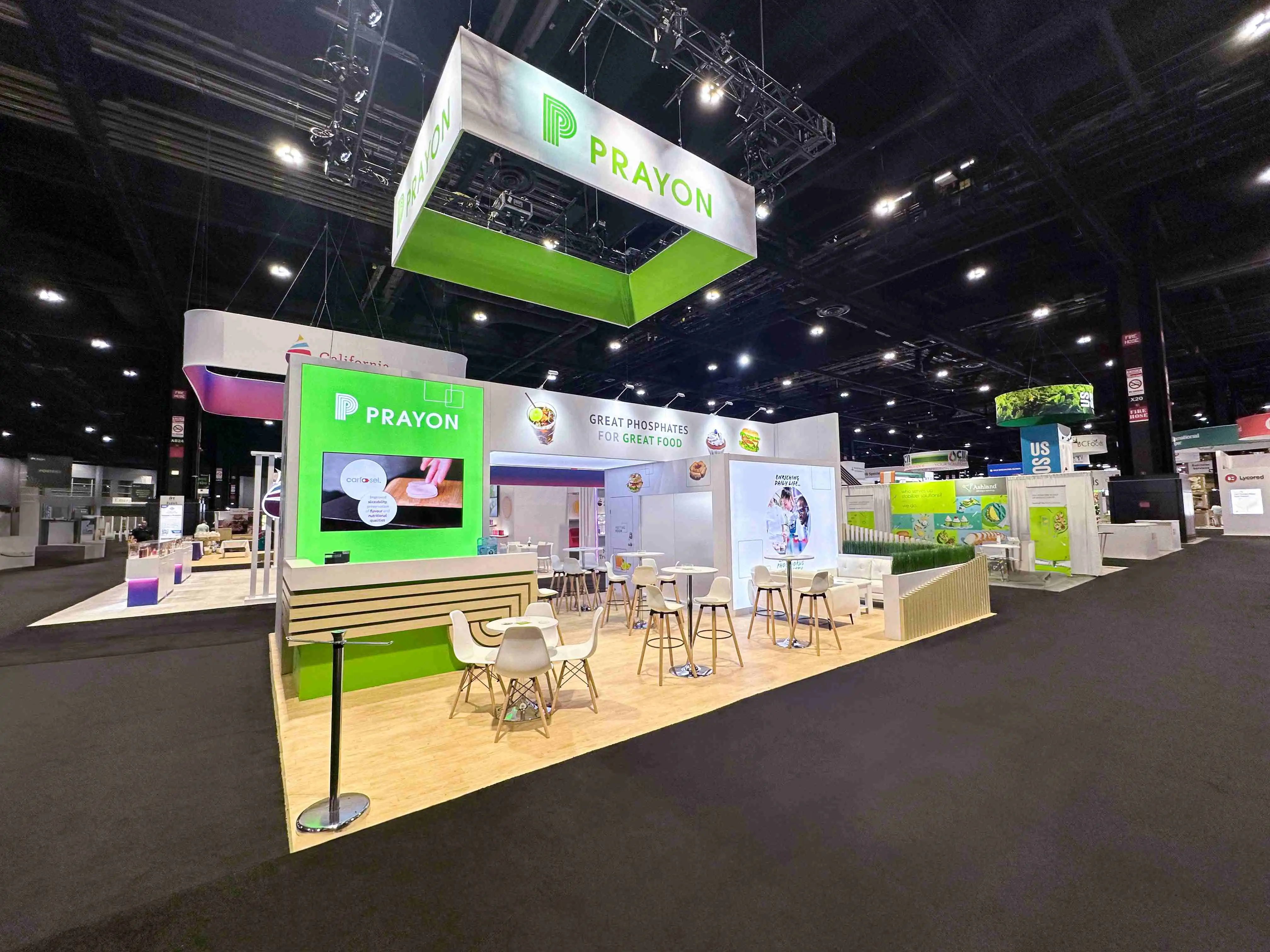
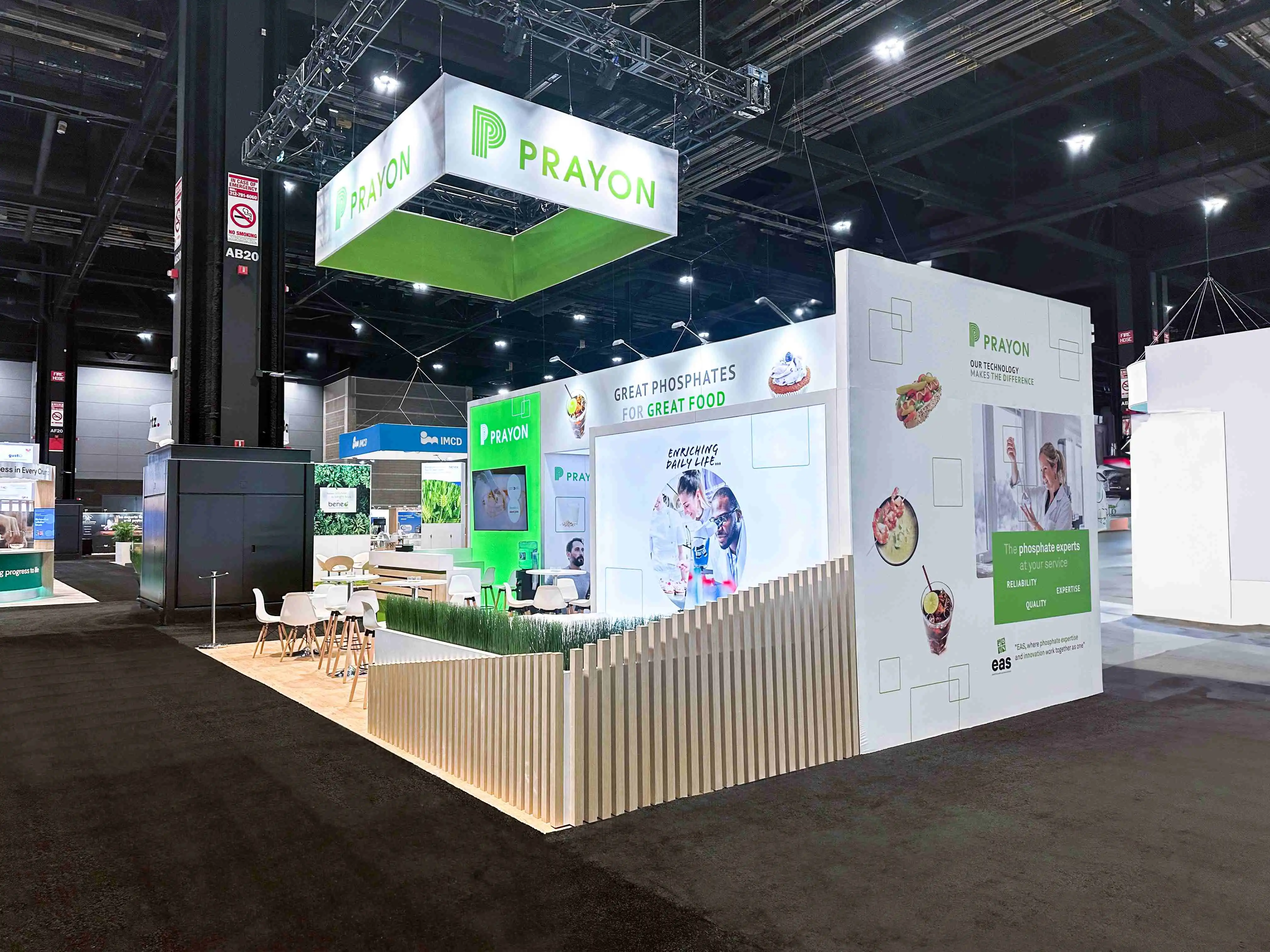
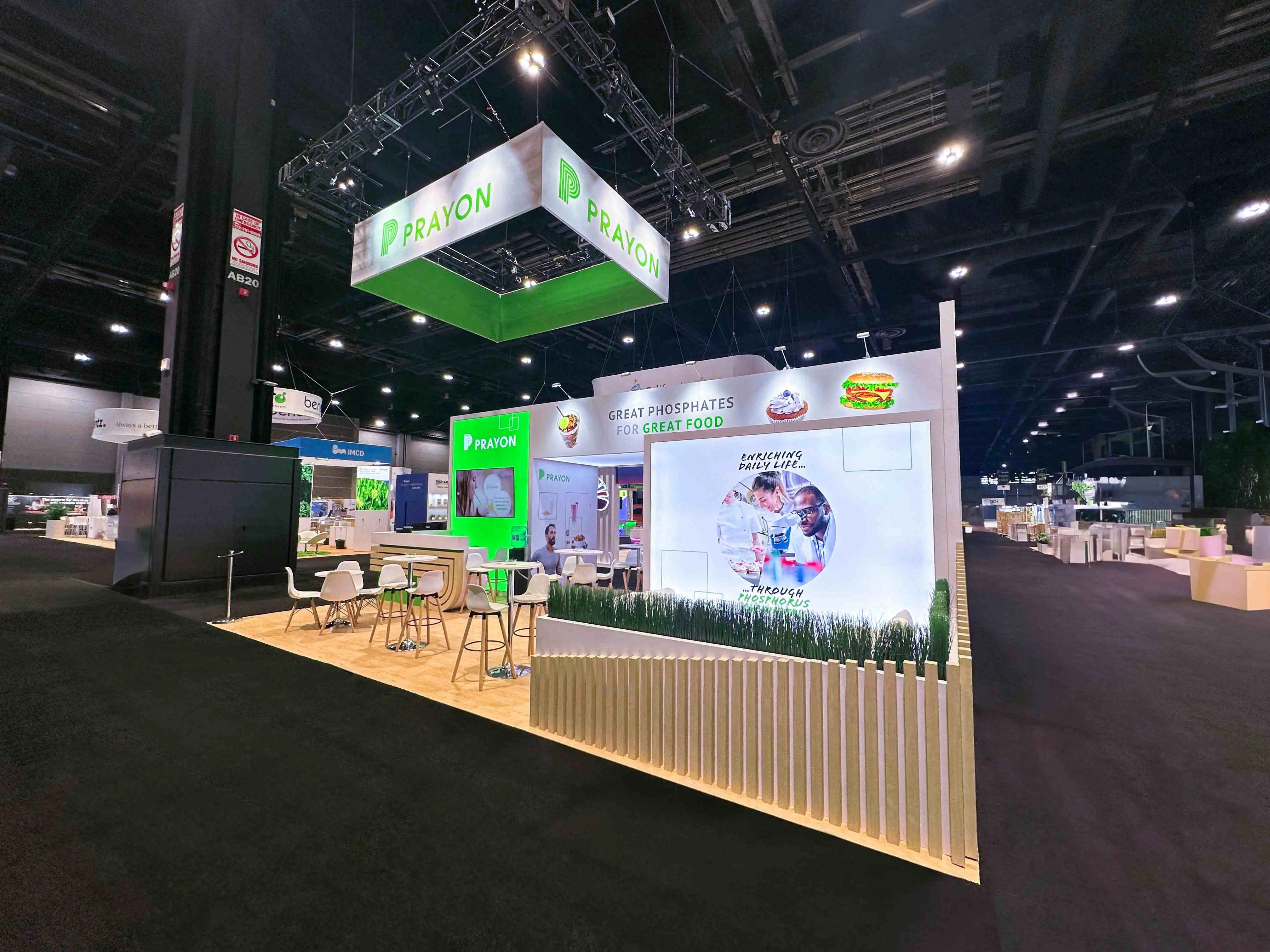
From the idea stage to the finished product, bespoke display environments are built around the unique personality and functional needs of a brand. These structures are not like off-the-shelf modular kits because they are made from structural aluminum extrusion (usually 6063-T6 alloy for best strength-to-weight ratios), CNC-machined wood carpentry with high-pressure laminate finishes, and tension fabric systems with Silicone Edge Graphics (SEG) technology. The design process takes care of important problems, like getting rid of the "cookie-cutter" visibility trap where competitors blend in, making the floor plan as efficient as possible to get qualified leads, and adding modern features like interactive technology walls, double-deck structures, or overhead rigging.
Standard Booth Solutions Explained
Customization choices for standard booths are restricted because they come in pre-designed, modular designs with fixed sizes. Most of the time, these all-in-one options come with simple lighting packages, lightweight pop-up frames, and printed background panels. The main benefit is that it can be set up quickly—most normal items can be shipped and put in place within two to three weeks—and the prices are stable, which makes it appealing to exhibitors on a budget or companies trying out new markets. But because of limitations in design, brands have to give up chances to stand out and customize spaces.
The Core Differences That Matter
Material engineering makes a big difference between these groups. Each custom trade show booth must meet strict fire-retardancy standards (NFPA 701 for US venues, B1/M1 for European venues) by using flame-resistant fabrics and building materials that have been approved by the venue's fire inspector. Standard booths often use materials that don't last as long and may need to be replaced more often. There are also differences in the structures that can hold different things. Custom builds can hold heavier AV equipment, built-in product displays, and multi-level setups, while standard choices can usually hold smaller graphic panels and basic shelving systems.
Key Decision-Making Criteria for Choosing Between OEM and Standard Booths
Budget Alignment and Total Cost of Ownership
Managers of procurement have to look at both the initial cost of cash and the value over time. Starting costs for making a custom trade show booth range from $150 to $500 per square foot, based on how complicated it is and what materials are chosen. This is three to five times the price of regular rental deals. But the math changes when you use the structure at more than one show. A well-designed custom structure starts to make money after 3–4 big shows spread out over 18–24 months. This is especially true for businesses that will be at multiple events in September 2026, like LOUPE Americas and IMTS back-to-back in Chicago.
Design Flexibility and Brand Expression
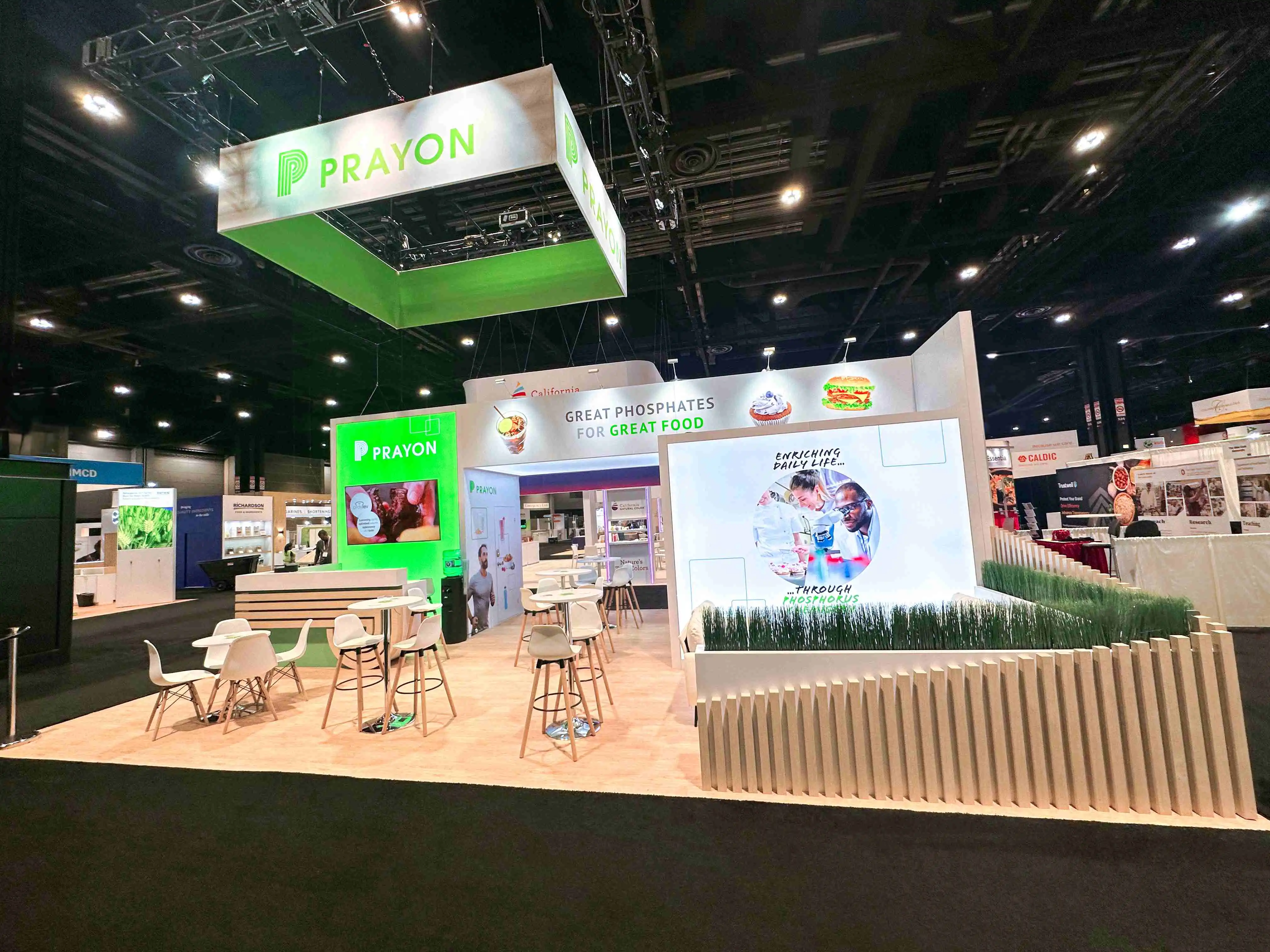
Marketing leaders who want to make their brands stand out need the design freedom that custom solutions offer. Brand-specific color matching (precise Pantone copy through dye-sublimation printing on 230-260gsm polyester cloth), three-dimensional logos, and interactive areas that show what the company stands for can all be used in these spaces. For example, a company that makes medical devices might be getting ready for several trade shows in 2026. Custom design lets them make clean consultation areas, safe areas for showing off their products, and professional meeting rooms that show they are following the rules and leading the way in innovation.
Logistical Complexity and Support Requirements
Material handling costs, which are often just called "drayage," are a big secret cost that is affected directly by design choices. Poor structure planning leads to too much crate weight and cubic area, and meeting centers charge by the hundred-pound. When compared to solid wood or steel options, a strategic custom trade show booth design using aluminum frames and nesting packing logic can cut billing weight by 30 to 40 percent. Because standard booths are small and light, they usually have cheaper drayage fees, but they don't last as long and don't look as good.
Local manufacturing and assembly help is very helpful for international exhibitors and companies from other states that come to Las Vegas for events like the September 2026 PRINTING United Expo. Working with exhibition service providers that have workshops close to major convention centers cuts down on problems caused by shipping across continents, shortens wait times for customs clearing, and ensures that you have quick technical help on-site during setup and show days.
Design Considerations: How to Plan Your Custom Trade Show Booth?
Space Optimization and Traffic Flow Engineering
To build a good custom trade show booth, you must first know the rules of the place and how people usually move around. Island booths, which can be reached from all four sides, need different layouts for the space than straight booths, which only have one entry point. Custom design lets you set up planned traffic flows, such as wide entryways to calm people down when they reach the barrier, carefully placed product displays that help visitors move through the space, and semi-private consultation areas that separate serious prospects from casual viewers. These things are especially important at events with a lot of people, like IMTS, where buyers of factory technology do serious reviews of vendors while competing for attention.
Material Selection and Sustainability Priorities
Environmental duty is becoming more and more important to modern buying teams, along with performance requirements. Sustainable options are now used in custom booth construction, such as FSC-certified wood products, aluminum parts that can be recycled, and reused tension fabric graphics that get rid of the need for single-use vinyl trash. High-resolution dye-sublimation printing on polyester fabric surfaces produces vivid color reproduction and supports multiple-show durability—graphics usually keep their visual integrity for 15 or more shows before they need to be replaced.
Material choice also affects how well it works. Edge-lit or ladder-lit LED modules with a color temperature of 6500K make graphics easier to see without making the booth too hot, which is bad for comfort. It's important for structural supports to balance how they look with how they work. For example, high-pressure laminate surfaces don't get scratches or fingerprints during multi-day events, and anodized metal keeps its look even after being put together many times.
Incorporating Technology and Interactive Elements
These days, exhibitions have more and more digital features that collect information about visitors and show off products' abilities. Custom buildings can have LED video walls with P2 or P3 pixel pitch for best viewing distances, engaging touchscreens, and stations for showing off products that have power and data infrastructure built in. For these technical integrations to work, they need to be planned ahead of time. This includes figuring out the venue's power capacity, the structural load for displays that hang from the ceiling, and working with general service companies to make sure that all electricity and internet needs are met.
Cost and Logistics: Pricing, Purchasing, and Services
Understanding the Investment Equation
The price of a custom trade show booth varies on a lot of factors that buying teams have to carefully look at. The number of research hours and the time it takes to make something depends on how complicated the design is. For example, a simple 10x20 inline booth with SEG cloth graphics could cost between $25,000 and $40,000. A 20x20 island configuration with double-deck architecture, integrated AV systems, and custom finishes could cost over $150,000. Choosing the right material has a big effect on budgets. For example, tension cloth systems are cheaper than hard-wall building, but they might not work for brands that want to be seen as very high-end.
Professional booth production usually takes 12 to 16 weeks: 4 to 6 weeks for design changes and approval of renderings, 6 to 8 weeks for manufacturing and finishing, and 1 to 2 weeks for stage previews and changes. Tight deadlines mean paying extra for time and limiting the materials you can use. Companies that want to hold shows in September 2026 should start the design process no later than May 2026 to make sure they get good results without having to pay extra for speed.
Purchase vs. Rental: Strategic Considerations
Companies that show three or more times a year at big industry events can make money by becoming owners. A unique booth is an investment that pays for itself over many shows while keeping the brand's image uniform. The main ongoing cost is storage, which usually ranges from $200 to $500 per month based on the number of boxes stored. Graphics need to be updated every so often to keep the messages new.
Rental programs are good for businesses that only take part in exhibitions sometimes or want to try out new types of events. However, rental goods often has standard forms that can't be changed much. More and more people are using hybrid methods, which involve buying basic building materials and hiring extras like furniture, audiovisual equipment, and extra screens. This gives people more freedom without having to fully own everything.
Installation, Drayage, and On-Site Support
Material handling costs make up 20 to 35 percent of all show costs at big places. It costs money for convention centers to receive shipments, move crates from loading docks to booth areas, store empty crates during show days, and do the opposite for sending things back out. These fees are based on the hundredweight (CWT), which means that lightweight aluminum-frame building is cheaper than standard wood builds.
When businesses show at events in Las Vegas like the September 2026 PRINTING United Expo, they can get a lot out of working with local exhibition service providers who keep workshop facilities close to the convention center. This closeness makes it possible to handle freight costs efficiently, get expert help right away during installation, and act quickly on show days when problems arise out of the blue. Local teams know the rules that apply to each place, keep in touch with general service companies, and can get emergency supplies without having to pay extra for overnight shipping.
Trusted OEM Custom Trade Show Booth Suppliers and Brands
Evaluating Supplier Credentials and Capabilities
To choose the right show partner, you need to do more than just look at their portfolios. People who work in procurement should check that suppliers have the right material safety certifications (such as documentation from flame retardancy tests), that they can do structural engineering work (especially for double-deck or heavily loaded booths that need PE-stamped drawings), and that they have insurance that covers accidents that happen during installation or damage to property. Client reviews show how well you communicate, how well you meet deadlines, and how well you can solve problems when you're under a lot of stress.
Geographical factors are very important. Companies that are taking part in multiple events in Chicago, Denver, Atlanta, and Las Vegas in September 2026 have to figure out how to move equipment, set up teams, and provide technical support at sites that are far apart. Exhibition service providers with national networks or strategic partnerships can better manage campaigns in more than one place than regional experts who are new to the area.
The HR Exhibits Service Advantage
We know what's at stake when business marketing managers spend a lot of money on big industry events. Based in the US with factories in Las Vegas, we provide every custom trade show booth with high-quality craftsmanship and strategic design thought. Our team manages every step of the process, from coming up with the initial idea to putting it all together on-site. They are creative architects who are also very good at organizing logistics.
Companies that are planning to hold exhibitions in September 2026 can get extra value from our workshop site in Las Vegas. The PRINTING United Expo at the Las Vegas Convention Center is a great chance to get local help, which will save us money on cross-country freight costs, give us quick access to our expert team during installation, and let us find cheap ways to store our equipment between regional events. We've helped exhibitors at all of Las Vegas's big venues by keeping good relationships with building management and general service providers. These relationships make it easier to get permits, coordinate electrical work, and get licenses for rigging.
Our all-inclusive service model covers the whole duration of a show. We help foreign clients with the paperwork needed to bring in equipment, organize freight forwarding from factories abroad, and handle temporary import bonds for equipment that is going back to its home country after the show. When you combine this global view with top-notch local operations, you get a company that can help both large international companies and small businesses that are growing.
Conclusion
In the end, your brand's show strategy, budget, and growth direction will determine whether you choose a custom trade show booth or standard booth option. Custom designs give businesses that want to keep a constant presence in the industry at big events like the IMTS, GSX, and CEDIA shows in September 2026 a way to stand out, be functionally flexible, and get long-term value.
Standard choices are a cheap way for companies to try out new market niches or for companies that only want to show once in a while. To make good buying choices, you need to weigh your current budget needs against your long-term brand-building goals, as well as the total cost of ownership over multiple show cycles. If you plan ahead and find the right exhibition partner, the money you spend on a booth can become a strong tool for getting leads and establishing your place in the market.
FAQ
What timeline should we expect for custom booth design and fabrication?
Professional custom trade show booth builds take 12 to 16 weeks from the first meeting to the arrival of the finished product. This includes 4 to 6 weeks for designing and making changes, 6 to 8 weeks for building and finishing, and 1 to 2 weeks for tests and stages. For companies planning shows in September 2026, the design process should start by late May to make sure quality results without having to pay extra for a quick turn-around.
Can custom booths be reconfigured for different space sizes?
Strategic planning makes flexibility possible from the start. A well-designed 20x20 island booth can often be changed into a 10x20 straight setup, which makes the most of your investment at different levels of events. This "smart custom" method needs to be planned ahead of time, but it gives exhibitors a lot of freedom as their tactics change at places like McCormick Place in Chicago or the Georgia World Congress Center in Atlanta.
How do material choices affect drayage costs?
Material handling costs are directly affected by choices about structure. When compared to solid wood builds, aluminum-frame building with tension fabric prints makes crates 30–40% lighter, which means that lower hundred-weight charges are applied. Using layered boxes to reduce the amount of space they take up helps keep costs down in places where both weight and volume are used to figure out drayage.
Partner with HR Exhibits Service, Inc. for Your Next Exhibition
For a trade show to be a success, it takes more than just a nice-looking custom trade show booth. It also needs careful planning, perfect execution, and quick help throughout the entire exhibition lifecycle. HR Exhibits Service, Inc. has been helping tech companies, medical device companies, and industrial equipment makers make unique brand experiences at North America's toughest industry shows for 20 years. Our fabrication site in Las Vegas and national service network let us help with exhibitions from the beginning to the end, whether you're launching new goods at the CEDIA show in Denver or strengthening your place in the market at IMTS in Chicago.
We want to talk about your goals for the September 2026 show with marketing directors, buying managers, and sales leaders. Our team offers in-depth talks that look at different design choices, ways to make the most of your budget, and custom logistical planning. As a reliable custom trade show booth maker and provider, we've helped hundreds of clients turn their exhibition spending into real business results. Email us at info@hrexhibits.com to set up a meeting and find out how our all-around method sets the standard for quality, dependability, and return on investment in the business.
References
1. "Exhibition Marketing and Trade Show Management Standards," International Association of Exhibitions and Events, Professional Development Series, 2024.
2. "Material Engineering for Portable Architecture: Technical Guidelines for Exhibition Structures," Society of Independent Show Organizers, Industry White Paper, 2023.
3. "Cost Analysis and ROI Metrics for B2B Exhibition Marketing," Center for Exhibition Industry Research, Annual Benchmark Study, 2025.
4. "Fire Safety and Structural Requirements for Temporary Event Structures," National Fire Protection Association, NFPA 701 Compliance Standards, 2024 Edition.
5. "Strategic Booth Design and Visitor Engagement Patterns in Technology Trade Shows," Journal of Trade Show Marketing Research, Volume 18, Issue 3, 2024.
6. "Sustainable Materials and Environmental Impact Reduction in Exhibition Fabrication," Green Exhibition Council, Best Practices Guide, 2025.

Embark on Your Journey to Exceptional Exhibitions! Contact HR Exhibits Today to Transform Your Vision into Global Success.
HR Exhibits Service, Inc.