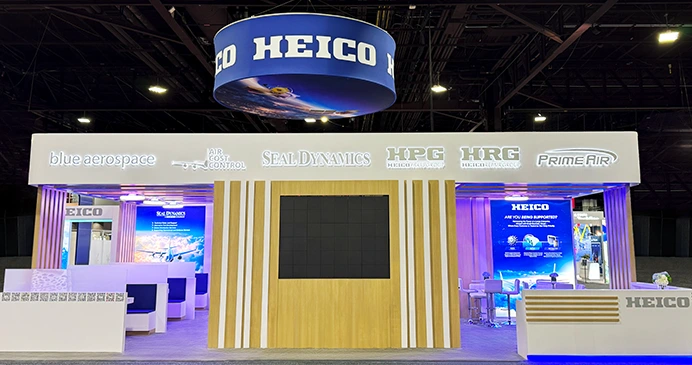
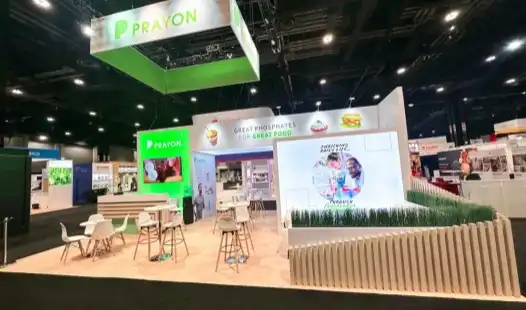
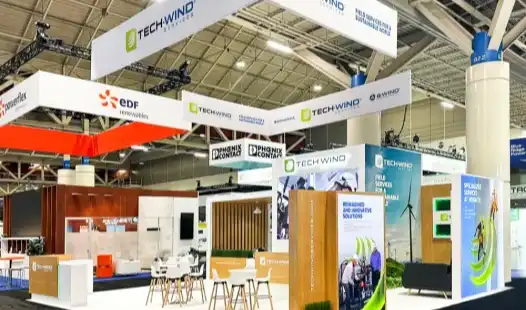
The choice of material for high-end custom trade show exhibit booths has a big effect on both how they look and how long they last. Premium materials, such as aluminum extrusions, tensioned fabric graphics, and high-grade acrylic, are used to make sophisticated displays that get people's attention and stay strong during busy show schedules. These materials are versatile enough to be used in a variety of ways, and they will make sure that your brand looks good in foreign markets.
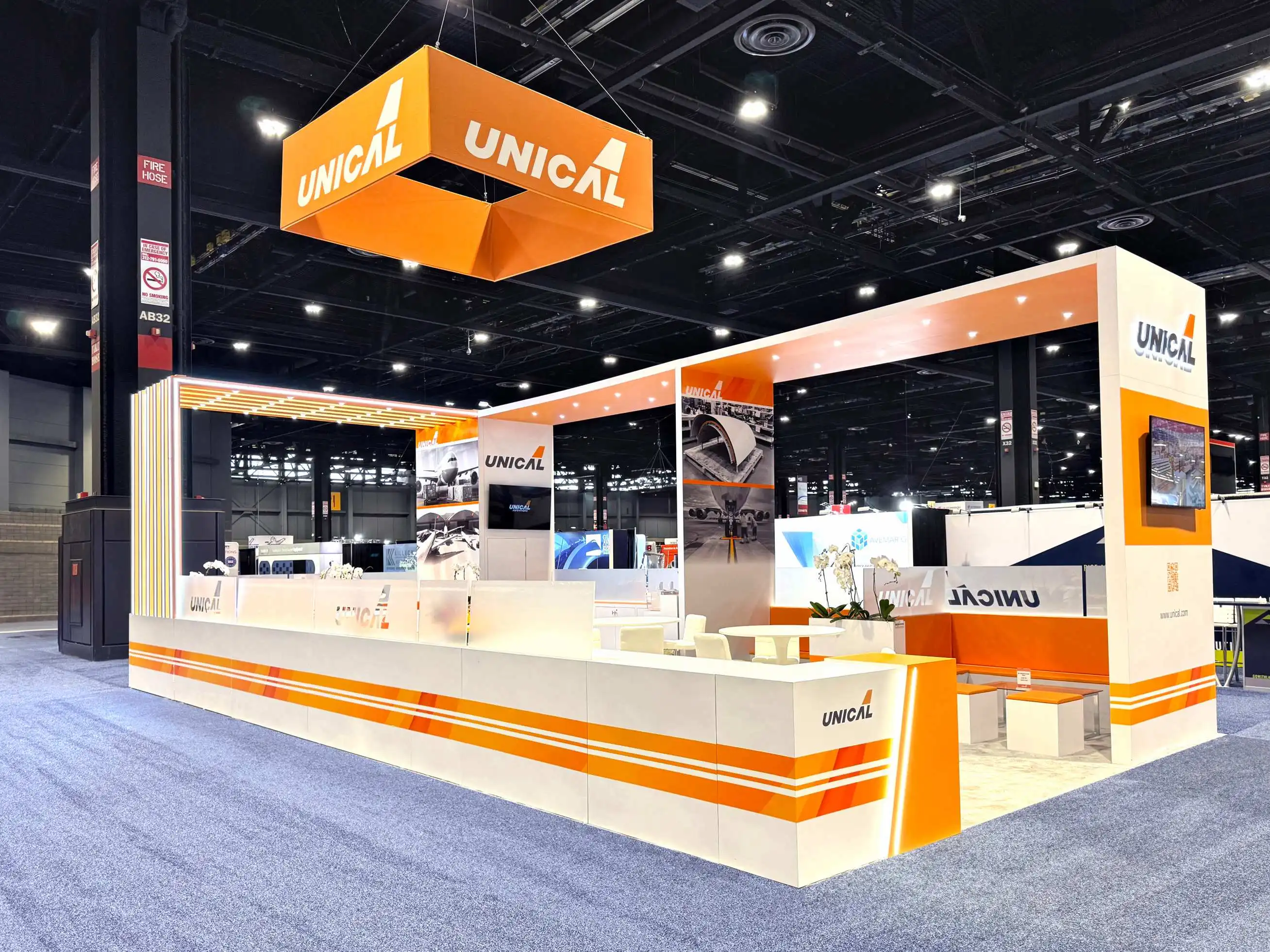
Why Focus on Premium Booth Materials?
Focusing on premium materials for trade show booth fabrication addresses several critical business needs. High-quality materials reduce the risk of display failures during important exhibitions. They also minimize replacement costs over time, making them cost-effective for companies that participate in multiple shows annually.
Premium materials enhance brand perception among potential clients and partners, and custom trade show exhibit booths further reinforce this effect. When your booth demonstrates quality construction and sophisticated design, visitors naturally associate these qualities with your products and services. This psychological impact influences purchasing decisions and partnership opportunities.
International exhibitions often involve complex shipping and handling processes. Durable materials withstand transportation stress better than budget alternatives. They arrive at destination venues in excellent condition, reducing setup complications and ensuring your display appears exactly as intended.
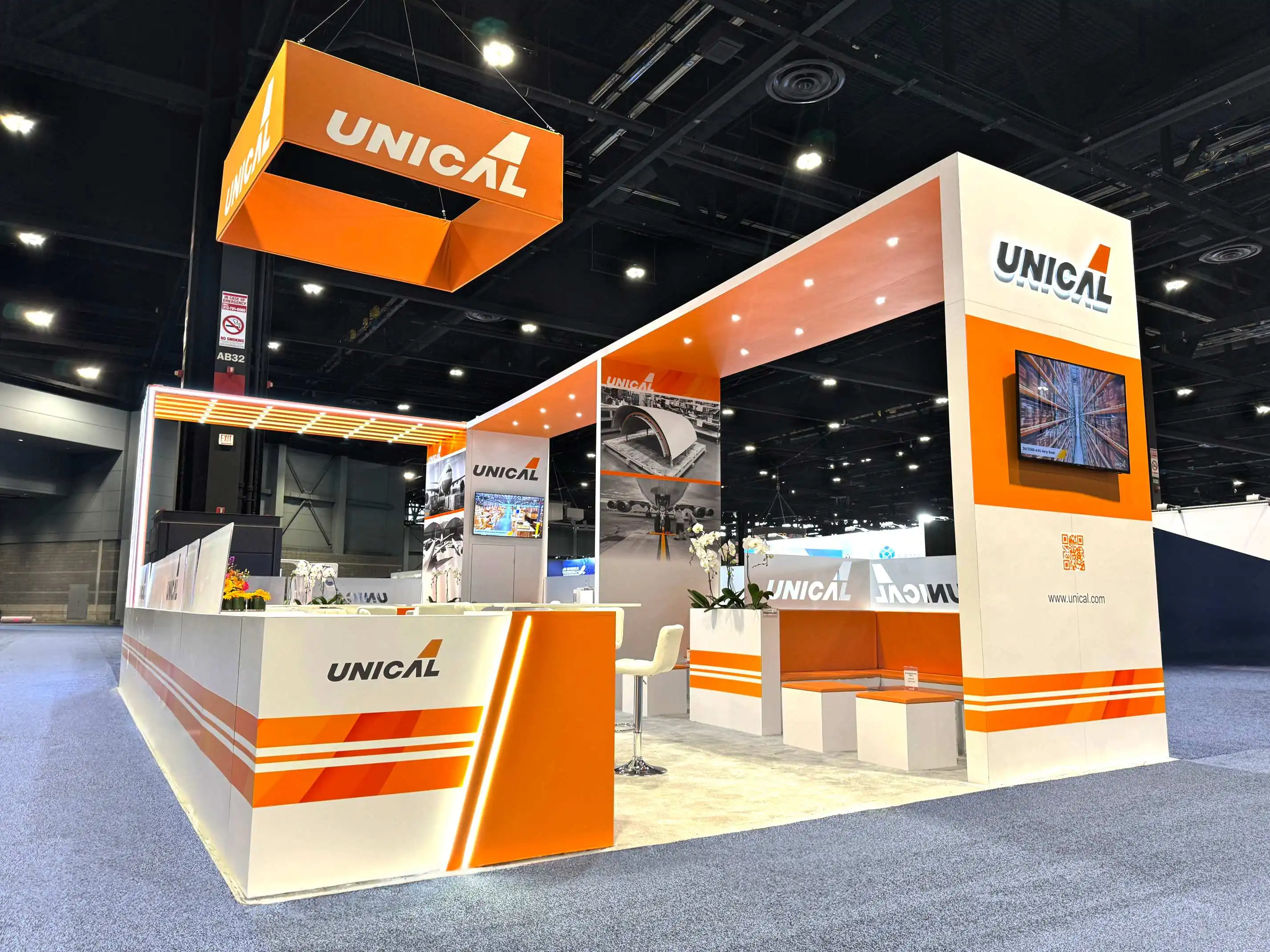
Selection Criteria for Booth Materials
Evaluating materials for custom trade show displays requires analyzing multiple factors. Durability stands as the primary consideration, especially for companies participating in international exhibitions. Materials must withstand shipping stress, temperature variations, and repeated assembly without compromising structural integrity.
Weight considerations affect shipping costs and setup complexity. Lightweight materials reduce transportation expenses while simplifying assembly procedures. However, weight reduction cannot compromise stability or visual quality. The ideal materials balance these competing requirements effectively.
Aesthetic versatility allows materials to adapt to various design concepts and brand guidelines. Materials that accept custom graphics, lighting integration, and modular configurations provide greater design flexibility. This adaptability proves valuable for companies that modify their booth layouts for different exhibitions.
Regulatory compliance varies by country and venue. Materials must meet fire safety standards, environmental regulations, and structural requirements specific to exhibition locations. Understanding these requirements prevents costly modifications or rejections during setup.
Cost-effectiveness encompasses initial investment, maintenance requirements, and replacement frequency. Premium materials often justify higher upfront costs through extended lifespans and reduced maintenance needs. This calculation becomes particularly important for active exhibitors who participate in multiple annual shows.
Top 5 Premium Materials for Custom Exhibit Booths
Aluminum Extrusion Systems
When it comes to modular trade show booths, aluminum extrusion solutions are the best. These systems have great strength-to-weight ratios, which makes them perfect for moving big displays around a lot. Because aluminum extrusions are modular, they can be changed in a huge number of ways while still keeping their structural integrity.
Aluminum doesn't rust, so it can be used for exhibitions in a wide range of climates and settings. In contrast to steel options, aluminum does not rust, so it will keep its look over time. This durability is especially helpful for foreign exhibitors who have to deal with a wide range of weather conditions.
Using metal extrusion systems to make assembly more efficient cuts down on setup time and labor costs. The precision-engineered parts fit together perfectly, and putting them together usually doesn't require many tools. When setup times are short at big trade shows, this economy becomes very important.
Attachments and extras like graphics panels, shelving systems, and lighting fixtures can be used with aluminum extrusions. This flexibility makes it easy to make changes and updates without having to replace the whole structure. Businesses can update their displays for different events while keeping the money they spent on the first ones.
Aluminum extrusion systems look more professional, which helps educated audiences think more highly of a brand. The precise building and clean lines show quality and attention to detail, which is a good thing that shows off the products and services being shown.
Tensioned Fabric Graphics
Tensioned fabric graphics have revolutionized trade show booth graphics by offering superior visual impact with practical benefits. The seamless appearance of stretched fabric eliminates the visual interruptions common with traditional panel systems. This creates expansive graphic displays that capture attention from significant distances.
The lightweight nature of fabric graphics dramatically reduces shipping costs and simplifies handling procedures. A complete fabric graphic system weighs considerably less than equivalent rigid panel graphics, making international shipping more economical. This weight advantage also simplifies setup procedures and reduces labor requirements.
Fabric graphics resist wrinkling and damage during transportation when properly packed. High-quality fabrics maintain their appearance through multiple shipping cycles, ensuring consistent brand presentation. The durability of modern fabric materials eliminates concerns about premature wear or fading.
Customization possibilities with fabric graphics are virtually limitless. Digital printing technology produces photographic quality images with vibrant colors and sharp detail. Complex designs, gradients, and photographic elements reproduce beautifully on fabric surfaces, enabling sophisticated branding presentations.
Maintenance requirements for fabric graphics remain minimal. Most fabrics are machine washable, allowing for easy cleaning between shows. This maintenance simplicity reduces long-term costs and ensures displays maintain their professional appearance throughout extended use.
High-Grade Acrylic Components
High-grade acrylic components add sophistication and modern appeal to custom trade show displays. The crystal-clear transparency of quality acrylic creates elegant design elements that enhance overall booth aesthetics. Acrylic components work particularly well for product displays, signage elements, and architectural features.
The versatility of acrylic allows for various fabrication techniques including cutting, bending, and bonding. This flexibility enables custom shapes and configurations that would be difficult or impossible with other materials. Designers can create unique elements that distinguish booths from standard configurations.
Impact resistance of high-grade acrylic exceeds that of glass while maintaining similar optical clarity, making it a reliable choice for custom trade show exhibit booths. This durability proves valuable in busy exhibition environments where accidental contact is possible. Acrylic components withstand normal handling stress without cracking or shattering.
Lighting integration possibilities with acrylic create dramatic visual effects. Edge-lit acrylic panels produce even illumination for signage and branding elements. LED lighting systems can be embedded within acrylic components to create striking visual features that attract attention.
Chemical resistance ensures acrylic components maintain their clarity and appearance when exposed to cleaning products and environmental contaminants. This resistance extends the useful life of acrylic elements and reduces replacement frequency.
Composite Panel Systems
Composite panel systems combine the benefits of multiple materials to create superior display surfaces. These engineered materials typically feature aluminum cores sandwiched between protective skins, resulting in lightweight panels with excellent strength and flatness. The combination provides optimal performance for large graphic displays.
The dimensional stability of composite panels prevents warping and distortion under varying temperature and humidity conditions. This stability proves crucial for international exhibitions where displays may encounter significant environmental variations during shipping and storage.
Surface quality of composite panels provides excellent graphic reproduction capabilities. The smooth, flat surface accepts various graphic application methods including direct printing, vinyl graphics, and laminated materials. This versatility accommodates different design requirements and budget considerations.
Machining capabilities allow composite panels to be cut, routed, and shaped for custom applications. Precise fabrication techniques create clean edges and accurate dimensions, enabling tight tolerances in display construction. This precision contributes to the professional appearance of finished displays.
Composite panels offer excellent value for large display surfaces where weight and flatness are priorities. The cost-effectiveness of these materials makes them attractive for budget-conscious exhibitors who cannot compromise on quality or appearance.
Architectural Wood Veneers
Architectural wood veneers make trade show displays look warm and classy at the same time. Real wood surfaces make people think of high-end brands, which works especially well for high-end services and goods. Because wood grain is naturally different, each show has its own personality.
Companies that care about the environment like wood panels because they are sustainable. Wood that is responsibly found supports businesses' efforts to be more environmentally friendly and also makes for beautiful display surfaces. A lot of wood veneers are certified by well-known forestry groups, which helps to keep forestry methods sustainable.
There are different finishing choices for wood veneers to meet different functional and aesthetic needs. Clear finishes bring out the beauty of the wood itself, while stained finishes can fit certain color schemes. Protective coatings make sure that surfaces can stand up to exposure to display conditions without losing their look.
The way wood veneers feel makes them fun to interact with and provides memorable sensory experiences. People often like how natural materials feel real, which makes them think of brands that are being shown in a good way. This sensory interaction can help keep visitors and help them remember your brand.
Wood veneers can be made to match current architectural features or product designs thanks to the ability to be custom-matched. This coordination makes brand presentations that look good together and reinforces the company's character and design standards across all marketing materials.
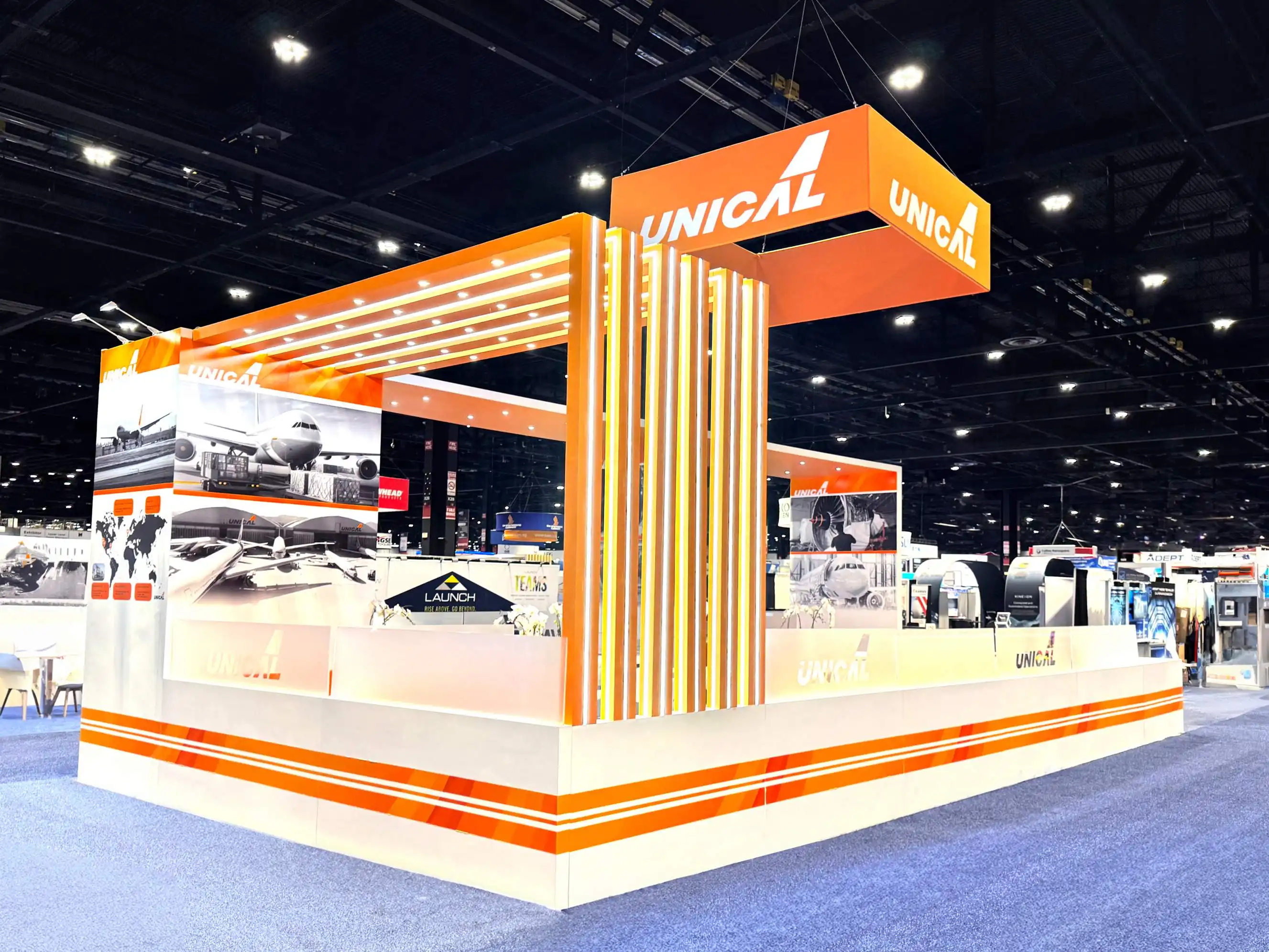
Market Characteristics and Regional Preferences
Knowing how the markets work in the US, Canada, and Europe can help you choose the right materials for foreign shows. Each area has its own rules, preferences, and practical concerns that affect how booths are designed.
The US market puts a lot of emphasis on new ideas and high-tech trade show displays. In the United States, exhibitions often have big performances with dramatic visuals. Digital displays and LED lights are usually what people expect. Fire safety rules are very strict, and materials must be approved and professional installation must be documented.
Canadian shows combine new ideas from the United States with environmental awareness from Europe. Material choices are affected by sustainability concerns, with reusable and low-impact options being preferred. Custom trade show exhibit booths frequently meet these needs well. Some places need bilingual standards, which means that graphics systems need to be able to handle multiple languages without losing the integrity of the design.
Quality construction and caring for the climate are important in European markets. European environmental standards and expectations for business social responsibility are in line with sustainable materials and manufacturing methods. People who like clean, simple designs that put an emphasis on material quality over flashy aspects are more likely to be popular.
Different rules in these markets affect the standards for material certification. Knowing the local building codes, fire safety rules, and environmental laws will help you avoid problems during setup. Working with show partners who have done this before and know the rules in your area makes the compliance process easier.
Purchasing Recommendations and Considerations
When making a material selection strategy, you have to balance short-term wants with long-term goals. Companies that go to a lot of trade shows each year should buy long-lasting, flexible systems that can be put together in different ways for each show. This method increases the return on the initial investment while still letting the designer make changes as needed.
Structures and images that get a lot of attention should get the most money from the budget. These parts have the most significant effect on how well the display works generally and how visitors see it. As money allows, you can add new accessories and decorations over time.
Relationships with vendors are very important to the success of material choosing. When it comes to performance, experienced suppliers know how different materials work and can suggest the best ones for each purpose. When you work with experienced vendors, you can get advice and technical help from experts.
Quality certification makes sure that materials meet safety, durability, and performance norms in the business. By asking for proof and licenses, you can avoid buying low-quality items that might damage the display or not follow the rules.
Possible future growth should affect the materials chosen at the start. Choosing systems that can be expanded and changed saves money in the long run and keeps the design consistent as the needs of the show change.
Conclusion
It's important to think about cost, aesthetic appeal, and useful performance when choosing premium materials for custom trade show exhibit booths. The five materials we talked about have been used successfully by foreign exhibitors who want to make brand experiences that people will remember. Tensioned cloth graphics make structures more flexible, and aluminum extrusion systems make structures look amazing. High-quality glass parts make things look more stylish, composite panels work reliably, and wood veneers make things look more expensive.
Knowing about the features of a region's market helps choose materials that fit local needs and tastes. Investing in high-quality materials pays off in the form of better brand recognition, lower upkeep costs, and longer display life. Working with experienced suppliers makes sure that the materials chosen meet both short-term and long-term goals for the success of the show.
Frequently Asked Questions
What factors should I consider when choosing between aluminum extrusion and composite panel systems?
Consider your display size, reconfiguration needs, and budget. Aluminum extrusion systems offer superior modularity and are ideal for companies that frequently modify their booth layouts. Composite panels work better for large, static graphic displays where weight and cost are primary concerns. Aluminum provides better long-term value for active exhibitors, while composite panels offer excellent cost-effectiveness for specific applications.
How do fabric graphics compare to traditional rigid graphics in terms of shipping and setup?
Fabric graphics offer significant advantages in both shipping and setup. They weigh approximately 70% less than equivalent rigid graphics, reducing shipping costs substantially. Setup is typically faster since fabric graphics eliminate panel alignment issues and often use tool-free attachment systems. However, they require proper packing techniques to prevent wrinkles and may need stretching adjustments during installation.
Are sustainable materials cost-effective for custom trade show booths?
Sustainable materials often justify their cost through durability, regulatory compliance, and brand value enhancement. While initial costs may be higher, materials like responsibly sourced wood veneers and recyclable aluminum systems typically last longer and maintain better resale value. Many sustainable options also help companies meet corporate social responsibility goals, which can have measurable marketing value in environmentally conscious markets.
Transform Your Exhibition Presence with HR Exhibits Service, Inc.
Crafting exceptional custom trade show exhibit booths takes skill in choosing the right materials, coming up with new designs, and executing them perfectly. HR Exhibits Service, Inc. has helped foreign companies do well at trade shows all over the world for many years. Our all-inclusive method includes everything from the first ideas for the design to the final installation and support.
We know the unique problems that foreign exhibitors face because we are your trusted source for custom trade show exhibit booths. To make sure your display has the most effect at every show, our team handles complicated logistics, government rules, and cultural preferences. We know a lot about high-quality products and how to use them best in a variety of exhibition settings.
Our world view and local knowledge make it possible for us to execute smoothly in the US, Canada, and Europe. We come up with creative portable exhibit displays and manage the full installation of modular trade show booths. Our solutions go above and beyond goals while staying within budget.
Ready to elevate your exhibition presence with premium materials and expert execution? Contact our team today to discuss your upcoming exhibition requirements. We're committed to transforming your vision into reality while ensuring every detail reflects your brand's quality and professionalism. Reach out to us through contact us atinfo@hrexhibits.com to begin planning your next successful exhibition.
References
1. Smith, Jennifer A., and Michael Chen. "Advanced Materials in Trade Show Construction: A Comprehensive Analysis." Journal of Exhibition Design and Technology, vol. 45, no. 3, 2023, pp. 78-95.
2. Rodriguez, Carlos M. "Sustainable Practices in International Exhibition Management." Trade Show Industry Research Foundation, 2023.
3. Thompson, Sarah L., et al. "Comparative Study of Booth Material Performance in International Markets." International Exhibition and Event Association Quarterly, vol. 28, no. 2, 2023, pp. 156-174.
4. Anderson, David K. "Aluminum Extrusion Systems: Engineering Excellence for Mobile Displays." Materials Science in Exhibition Design, 2nd ed., Professional Trade Publications, 2023.
5. Williams, Rebecca J. "Cultural Preferences in Exhibition Design Across North American and European Markets." Global Marketing and Events Review, vol. 19, no. 4, 2023, pp. 234-251.
6. Kumar, Priya S., and James Morrison. "Cost-Benefit Analysis of Premium Materials in Trade Show ROI." Business Exhibition Management Journal, vol. 33, no. 1, 2023, pp. 45-62.