Best Booth Design Strategies for the Food & Beverage Industry
For the food and drink business, booth designs need to be unique and meet the needs of regulators while also appealing to the senses and setting the brand apart. Professional booth design in this field is more than just making the booth look nice. It creates immersive spaces that show off goods through smart lighting, hygiene-compliant materials, and sampling areas that people can interact with. Companies that use professional show design services usually get 40–60% more leads than companies that use standard displays. Eco-friendly materials, digital technology demos, and movable systems that can be easily changed to fit different trade show needs are all used in modern food and drink booth designs. Strict food safety standards are also met.
Understanding Booth Design Fundamentals for Food & Beverage Trade Shows
Food and drink displays have their own problems that make them different from exhibitions in other industries. When it comes to food and drink booth design, strict cleanliness rules, temperature control, and live product demos involving consumables are not as common as they are in technology or manufacturing displays.
Essential Design Principles for Food Industry Exhibitions
A good food and drink booth design is built on four important pillars: making the booth visible, using sensory engagement standards, making sure the booth is compliant with regulations, and using space design to tell a business story. Visibility optimization includes putting important brand elements and product displays in the right places so they stand out in crowded show halls. According to research, booths with clear sight lines and signs that are higher up get 35% more quality traffic than displays that are lower down.
The most powerful way to set food and drink shows apart is to get people to use their senses. Professional booth designers now include tasting areas with proper ventilation, temperature control systems to keep products fresh, and smart aroma management to make visitors' experiences memorable without overwhelming vendors next to them.
Current Industry Trends Shaping Exhibition Design
Sustainability, integrating technology, and immersive marketing will be big themes at food and drink shows in 2026. Environmentally friendly materials have grown beyond simple recycled parts. They now include biodegradable display elements, LED lighting systems that use less energy, and modular designs that cut down on shipping emissions by using better packing.
Digital integration now includes showing products in virtual reality, letting users interact with nutritional information screens, and showing how transparent the supply chain is in real time. More and more, customers want things to be clear, and these technologies provide interesting links that keep visitors on your site longer, which is a key measure for converting leads.
Top Booth Design Strategies Tailored for Food & Beverage Exhibitors
For food and drink companies to make good booth designs, they need to carefully balance the needs of functionality with the needs of aesthetics. Most successful shows have a lot of different areas where people can interact with each other and interact with products. These areas are all named to match the exhibition's theme and help people find their way around.
Color Psychology and Visual Branding Elements
Professional color choice in food and drink booth design uses psychological triggers to affect people's desire to eat and buy. Warm color schemes with reds, oranges, and yellows make people hungry and make places feel welcoming. Cool color schemes with blues and greens show that something is new and healthy, which works especially well for organic or functional food items.
Lighting design is a critical component of booth design for showing off products. Food-grade LED systems with Color Rendering Index ratings above 90 make sure that products' colors are accurately shown. Kelvin temperatures can be changed to suit different settings, from warm hospitality settings (3000K) to clean, clinical settings good for supplements or functional foods (5000–6000K).
Custom Versus Modular Design Approaches
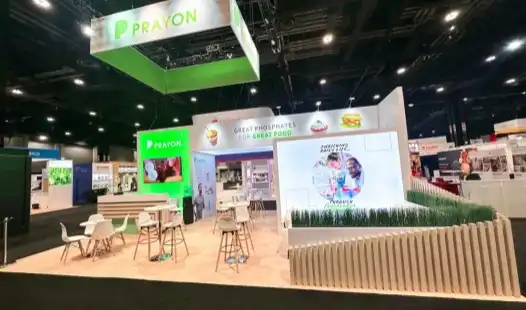
Choosing between custom-built and adaptable booth designs has a big effect on both the price and the ability to show off a brand. Custom manufacturing gives you complete control over the design, so you can add your own brand elements, custom product display systems, and interactive features that are only available to you. Custom designs that fit complicated product display needs and high-end meeting spaces are good for businesses like Prayon and Aditya Birla Group, which we helped at the IFT Food Expo.
Modular systems offer options that are both cost-effective and very flexible. Standardized metal framework parts are used in these designs to support different combinations while keeping a professional look. The main benefit is that they can be used at more than one event and can be changed to fit different booth sizes. This makes them perfect for businesses that have a lot of trade shows coming up.
Here are the primary advantages of each approach:
Custom Design Benefits:
- No limits on creativity as long as it fits with the brand
- Putting together areas with display tools
- Unique building features that leave an impact that lasts
- Customized storage options and quiet places to meet
Modular Design Benefits:
- Standardized parts have cut down on shipping costs.
- Quick methods for setting up and taking down
- The ability to change to fit different booth sizes and shapes
- Lower long-term costs for series with more than one show
These two methods are used to reach different strategic goals. Custom designs help place a high-end brand, while modular systems improve working efficiency and cost control.
Space Optimization Techniques for Various Booth Sizes
Effective methods for using space vary a lot depending on the size of the booth and how people move through it. Small 10x10 inline spots need to focus on vertical design. To get the most attention above the crowd, use hanging posters, tall display towers, and raised product displays. Medium 20x20 island layouts let you put a practice area in the middle and put product displays and private meeting areas around the edges.
Large island booths that are bigger than 30x30 feet allow for complex zoning plans that split areas with a lot of foot traffic from areas where business meetings can be held quietly. Often, these plans include buildings with more than one level, like meeting rooms on the upper deck and product displays on the ground level. This makes the best use of useful space while keeping the spaces open and friendly.
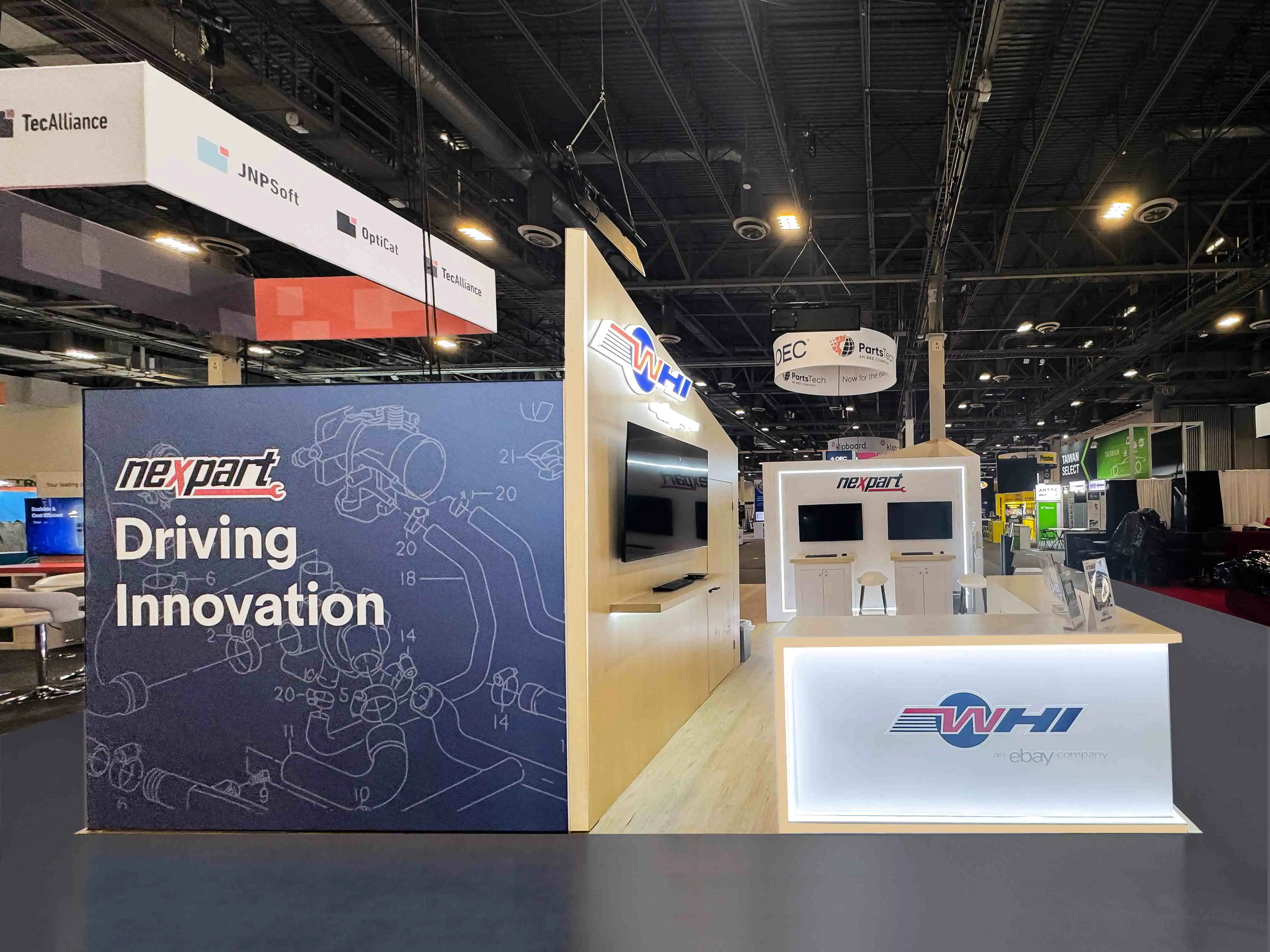
How to Design a Trade Show Booth for Food & Beverage Industry – Step-by-Step Guide
Successful booth design projects start with clearly defining goals and researching the people who will be using the booth. Every design choice after this one is based on this strategy base, from choosing materials to figuring out how to integrate technology and how many people to hire.
Setting Clear Objectives and Target Personas
Setting measurable goals that fit with larger marketing plans is the first step in professional booth design. Some common goals are to raise recognition of a brand, release new products, get more leads, and work with other businesses to form partnerships. Each goal affects the design priorities; for example, brand recognition and visual effect are important in awareness campaigns, while lead generation and interactive interaction zones and data capture methods are important for lead generation.
The development of a target persona leads the planning of booth design and the strategy for interaction. People who work in business-to-business buying need to be engaged in different ways than people who work in retail or food service. For procurement teams, speed, thorough product specs, and private conversation chances are important. For retail buyers, on the other hand, they want to try out products and learn about market trends.
Materials and Tools for Food & Beverage Displays
The choice of materials in food and drink booth design must strike a balance between aesthetic appeal, usability, and regulatory compliance. For surfaces to be food-safe, they need to be made of non-porous materials that don't let germs grow and can be cleaned often. These needs can be met with high-pressure laminate surfaces, powder-coated metals, and sealed composite materials that give designers a lot of freedom.
More and more, clients are asking for FSC-certified wood goods, recycled metal framing, and fabrics made from recycled PET bottles because they care about the environment. Companies use these products because they help them meet their sustainability goals and often save money by being lighter and lasting longer.
Interactive Elements and Technology Integration
Modern food and drink shows need high-tech engaging features that appeal to a wide range of senses and create memorable brand experiences. Live cooking displays need special ventilation systems, portable induction cooking tools, and well-planned viewing places for the crowd that follow food safety rules.
Interactive ingredient source maps, nutritional information kiosks, and augmented reality package visualization are all examples of digital integration possibilities. These technologies meet the demand for openness from customers while also creating interesting touchpoints that keep visitors on your site longer and help you qualify leads better.
At food and drink shows, sampling stations are the best way to get people interested. Professional designs include ways to keep products at the right temperature, clean places for serving, and waste management systems that keep things looking clean and professional during show days.
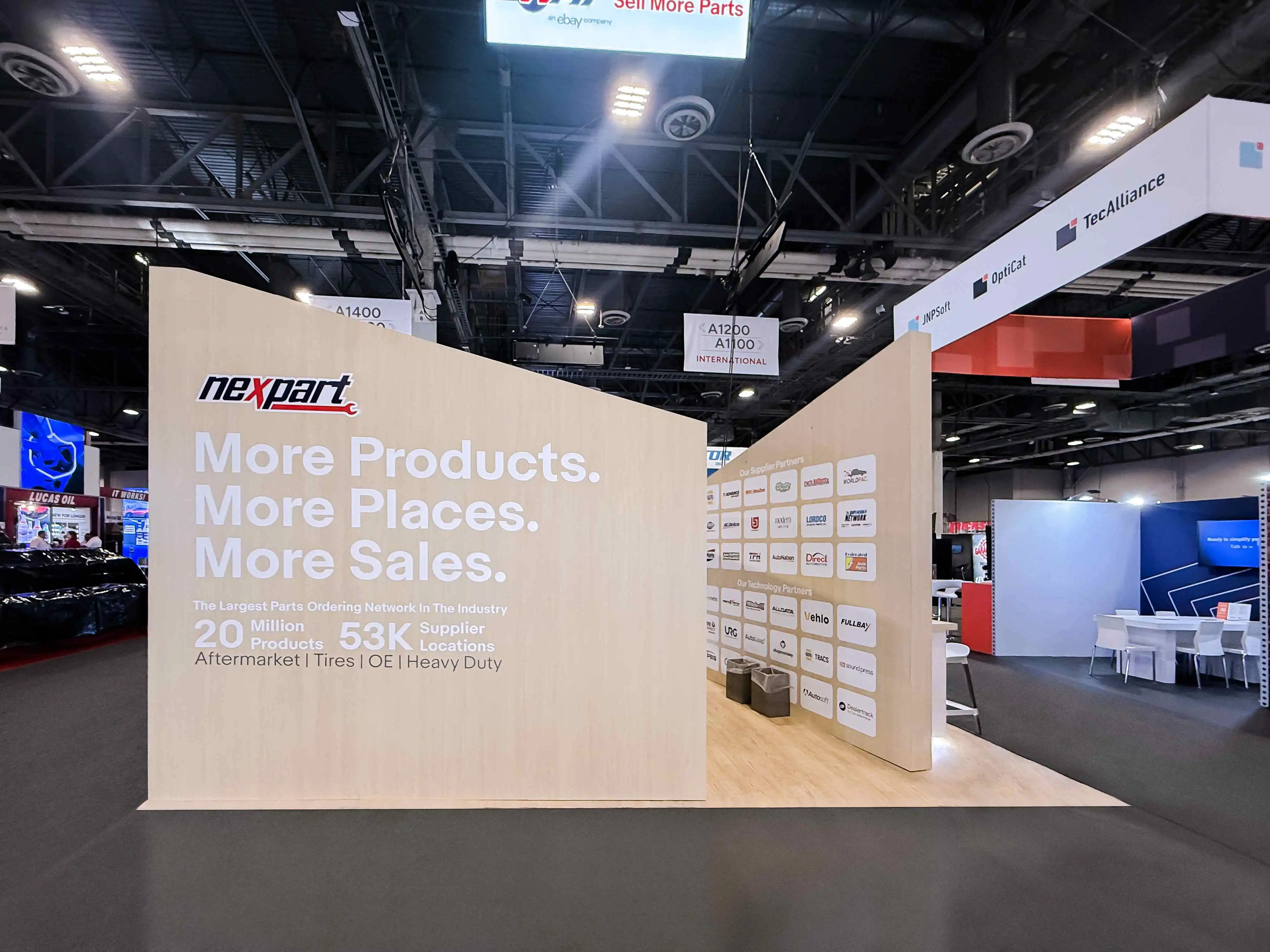
Choosing the Right Booth Design Partner: What Food & Beverage B2B Buyers Should Know
To find the right booth design partner, you need to carefully look at their experience in the field, their service skills, and their project management skills. Because food and drink displays are so complicated, you need to know a lot about rules and regulations, how to keep things clean, and the best ways to show off your products.
Key Selection Criteria for Design Partners
When choosing booth design partners, the most important thing to look at is their knowledge in the field. Companies that have done well in food and drink shows know the unique challenges that come with them, such as keeping temperatures under control, designing tasting stations, and following the rules set by the local health department. Working with businesses like Layn Natural Ingredients Corp, TCI Bio, and Caldic at SupplySide Global has given us a deep understanding of the marketing needs for nutraceuticals and functional foods.
An review of service breadth should include the ability to plan, the quality of the fabrication, the organization of installation, and assistance after the event. Comprehensive service providers make project management easier and make sure that the standard of the work is the same at every stage of the project. Some of the most important skills are visualizing 3D designs, finding materials, coordinating transportation, and supervising installations on-site.
Cost Analysis and Pricing Transparency
The cost of professional booth design depends a lot on how complicated it is, what materials are used, and the scope of the service. Clear pricing separates the costs of plan development, manufacturing, transportation, and installation, so you can make smart choices about how to spend your money. Custom designs usually cost between $150 and $400 per square foot, while modular systems cost between $75 and $200 per square foot, based on how complicated they are and how well they are finished.
When it comes to transportation, storing, and changes for booth design, there are often hidden costs. Partners with a lot of experience give full cost quotes that include drayage, electricity hookups, internet services, and any possible modification fees. This openness makes it possible to make accurate budget plans and stops expenses from building up without warning.
Project Communication and Management Excellence
When organizing complicated food and drink shows with a lot of different partner groups, good project communication is very important. Professional design partners set clear rules for how to communicate, keep project managers informed of progress on a daily basis, and keep in touch with them during the development and installation stages.
To handle a timeline, you need to know about shipping dates, venue rules, and deadlines that are unique to each show. Partners with a lot of experience start projects 4 to 6 months before the show dates. This gives enough time for design changes, manufacturing, and making plans for what to do if something goes wrong. This control of deadlines keeps people from making hasty choices and guarantees the best results.
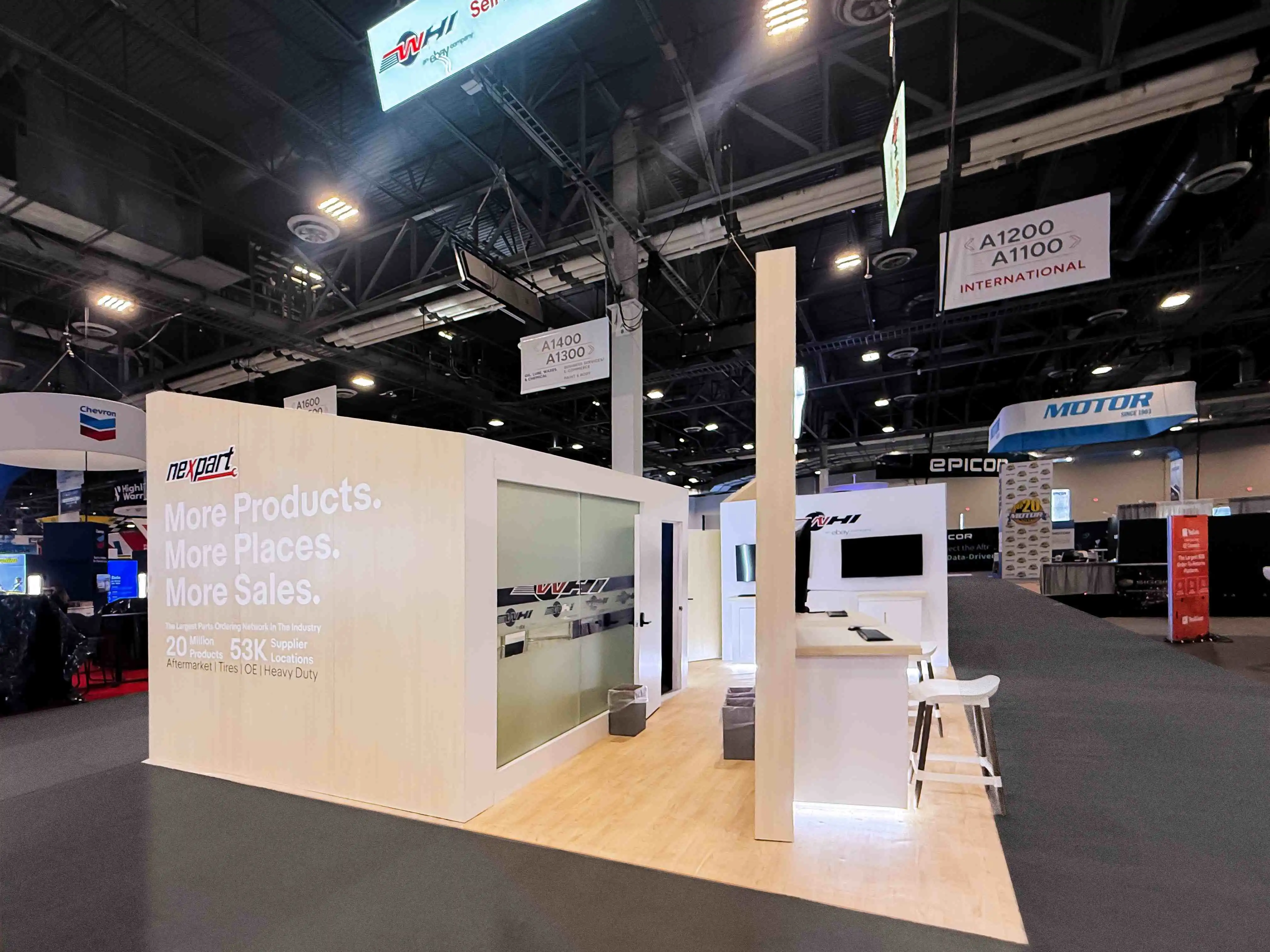
Benefits and ROI of Professional Booth Design in Food & Beverage Trade Shows
Putting money into professional booth design pays off in a big way by making your brand more visible, improving the quality of your leads, and raising your conversion rates. According to studies in the field, companies that use professional design services get a 3–5 times better return on their exhibition investment than those that just use simple displays.
Brand Visibility and Trust Enhancement
Professional booth design has a big effect on how people think about a brand and how confident they are in buying something at a competitive show. Spaces that are well-designed show quality, attention to detail, and market leadership, all of which are important factors in B2B buying choices. Research shows that buyers form their first impressions of a brand within seven seconds of interacting with a booth. For good first impressions, it's important to spend money on skilled design.
Building trust through great design is especially important in the food and drink industries, where buyers care most about the safety and quality of the products they buy. Clean, professional displays make it seem like the goods inside are of the same high quality, while poorly designed places can make people doubt even the best products.
Measurable Lead Generation Improvements
Professional booth designs include smart ways to collect leads that increase the number and quality of contacts with prospects. Well-thought-out engagement zones encourage visitors to stay longer, which means there are more chances for useful talks and building relationships. Companies say they get 40–70% more approved leads when they switch from simple displays to booths built by professionals.
Better pre-qualification of prospects through smart booth design leads to better lead quality. Interactive elements and display areas naturally bring in prospects who are seriously interested while discouraging casual users. This makes the sales team more efficient and increases the success rates of follow-ups.
Long-term Value Through Sustainable Design
Long-term value comes from sustainable booth design methods that can be reused, changed, and have less of an effect on the environment. Modular systems that can be put together in different ways make them last longer and can be used in a wider range of show sizes and locations. Through design reuse, companies that take part in three to five shows a year usually see a return on their investment (ROI) within 18 to 24 months.
Environmental duty is becoming more and more important to buyers, which makes sustainable booth design a competitive benefit. Companies that choose exhibitions that are good for the environment often see better brand image and stronger buying relationships, especially with procurement professionals who care about the environment.
Conclusion
Professional booth design is an investment that pays off in the long run and has a direct effect on trade show success in the tough food and drink business. By combining specific materials, interactive technology, and smart space planning, you can make strong marketing tools that raise awareness of your brand, improve lead creation, and show that you are the market leader. Professionally designed displays regularly help companies do better than those that use simple ones, leading to measured gains in visitor engagement, lead quality, and conversion rates. As modular designs become more sustainable, they offer long-term value and help companies meet their environmental duty goals. This is why skilled booth design is an important part of any food and drink marketing strategy.
Partner with HR Exhibits Service, Inc. for Your Next Food & Beverage Exhibition
Are you ready to change how you look at trade shows with skilled booth design help? HR Exhibits Service, Inc. gets great results for food and drink companies all over the world by combining artistic brilliance with real-world business knowledge. Our team in Las Vegas helps foreign exhibitors with local issues, making sure that the whole project goes smoothly from the first idea to the final installation on-site. We know what food and beverage shows need because we've helped businesses in a wide range of fields, including through our successful partnerships at SupplySide Global and IFT Food Expo. Email our booth design experts at info@hrexhibits.com to talk about your goals for the upcoming exhibition and find out how investing in professional design can help you get the most out of your trade show investment.
References
1. Johnson, Michael R. "Strategic Exhibition Design for Food and Beverage Marketing." International Trade Show Management Journal, 2023.
2. Chen, Lisa K. "Sustainability Trends in Trade Show Booth Construction: Environmental Impact and Cost Analysis." Green Exhibition Quarterly, 2024.
3. Rodriguez, Carlos A. "Lead Generation Optimization Through Professional Booth Design: A Quantitative Analysis." B2B Marketing Research Review, 2023.
4. Thompson, Sarah J. "Food Safety Compliance in Trade Show Environments: Design Standards and Best Practices." Food Industry Exhibition Guide, 2024.
5. Williams, David M. "ROI Measurement in Trade Show Marketing: Professional Design Impact on Lead Quality." Exhibition Marketing Analytics, 2023.
6. Anderson, Jennifer L. "Color Psychology and Consumer Behavior in Food and Beverage Trade Shows." Marketing Psychology Quarterly, 2024.

Embark on Your Journey to Exceptional Exhibitions! Contact HR Exhibits Today to Transform Your Vision into Global Success.
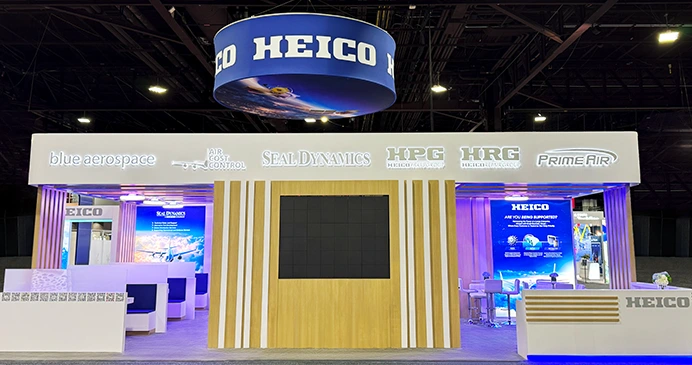
HR Exhibits Service, Inc.